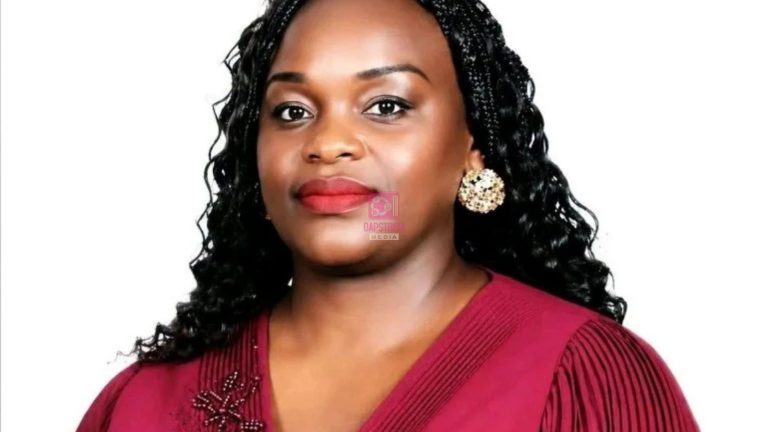

Karen Nyamu Pushes for Better Endometriosis Diagnosis, Affordable Treatment and Comprehensive Care in Kenya
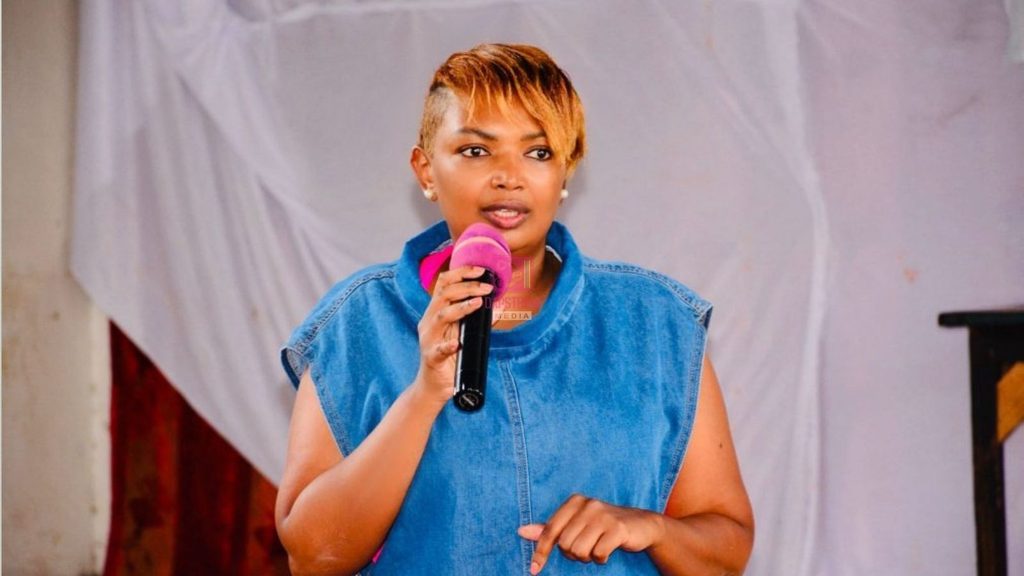
Nominated Senator Karen Nyamu has stepped up calls for stronger government action on endometriosis in Kenya, seeking greater attention to the diagnosis, treatment and long-term care of women living with the condition.
The move comes at a time when endometriosis is increasingly being discussed as a major women’s health concern, with patients and advocates raising concerns over delayed diagnosis, expensive treatment, limited specialist care and inadequate access to appropriate medical services.
Nyamu has called for the issue to receive greater attention within Kenya’s health system, including an assessment of whether the Social Health Authority (SHA) provides adequate coverage for the actual cost of managing endometriosis. She has also called for better national data on the condition and increased specialist capacity to support patients.
The senator’s intervention has brought renewed national attention to a condition that many women have experienced privately for years, often struggling with severe pain and other symptoms before receiving a proper diagnosis.
Endometriosis occurs when tissue similar to the lining of the uterus grows outside the uterus. It can affect areas including the ovaries, fallopian tubes and other parts of the pelvic region, and can cause chronic pelvic pain, painful periods, pain during intercourse, fatigue and difficulties with fertility.
For many women, however, the journey towards understanding what is happening to their bodies can be long and frustrating.
Severe menstrual pain is sometimes dismissed as a normal part of being a woman. Some patients spend years being told that their symptoms are simply part of their menstrual cycle, while others receive treatment for different conditions before endometriosis is eventually considered.
That delay can have serious consequences.
The longer endometriosis remains undiagnosed and untreated, the more difficult it can become for patients to manage the condition effectively. Some women may develop extensive disease that requires specialist treatment, while others may experience significant disruption to their education, careers, relationships and family life.
The issue has recently received additional public attention following the diagnosis of media personality Natalie Githinji, who has spoken publicly about living with Stage 4 endometriosis and the financial burden associated with treatment. Her experience prompted Nyamu to call for a broader national conversation about the condition and the challenges faced by patients.

Githinji’s experience has resonated with many women because it has brought into the public conversation some of the challenges that patients face away from the cameras.
For someone living with severe endometriosis, treatment can involve repeated medical consultations, diagnostic procedures, medication, surgery and follow-up care. The financial burden can therefore become substantial, particularly for patients who require specialised treatment.
This is where the question of health insurance becomes particularly important.
Nyamu’s call for an assessment of SHA coverage is therefore significant because access to healthcare is not determined only by whether a treatment technically exists. Patients must also be able to afford it.
If a woman is diagnosed with endometriosis but cannot afford the recommended treatment, the diagnosis alone does not solve the problem.
Similarly, if specialised services are concentrated in only a few major hospitals, women living in rural and underserved areas may struggle to access them.
The senator has consequently highlighted the need to examine both financial coverage and specialist capacity.
Kenya’s health system has made significant progress in expanding access to healthcare, but specialised women’s health services remain an area requiring continued investment.
Endometriosis can require a multidisciplinary approach involving gynaecologists and other healthcare professionals depending on the patient’s symptoms and complications.
Yet Kenya continues to face challenges in the availability and distribution of specialists.
Nyamu has pointed to the country’s limited number of gynaecologists and the absence of comprehensive official statistics showing how many women are living with endometriosis.
The lack of reliable national data is particularly important.
Without accurate information on how many women are affected, where they live and what type of treatment they require, it becomes more difficult for policymakers to determine how many specialists are needed, where services should be established and how much funding should be allocated.
Data is therefore not simply a statistical issue.
It is a healthcare planning issue.
If thousands of women are experiencing symptoms without being diagnosed, the official figures may significantly underestimate the true burden of the condition.
That could result in insufficient resources being allocated to diagnosis and treatment.
Improving data collection could consequently help the government understand the scale of the problem and design more effective interventions.
The issue of awareness is equally important.
Many women may not know that symptoms such as extremely painful periods, chronic pelvic pain or pain during sexual intercourse can be associated with endometriosis.
Some may continue living with severe symptoms because they believe they are normal.
Public education could help change that.
Women need to know when menstrual pain should prompt medical attention.
Parents and teachers can also play a role in ensuring that young girls are not forced to miss school repeatedly because of debilitating menstrual symptoms without receiving appropriate medical assessment.
Employers, too, need greater awareness of conditions that can affect women’s ability to work.
Endometriosis can have a significant impact on productivity and attendance when patients experience severe pain or require medical appointments and procedures.
A woman who regularly misses work because of untreated or poorly managed symptoms may face financial consequences in addition to the medical burden.
This makes endometriosis both a health issue and a socioeconomic issue.
The condition can affect a woman’s ability to study, work, earn an income and participate fully in family and social life.
For some patients, fertility concerns can add another layer of emotional and financial pressure.
Endometriosis is associated with infertility in some women, although not every woman with the condition will experience fertility problems.
For those who do, the emotional impact can be considerable.
Treatment may require specialised fertility services, adding to the cost of care.
This is why calls for improved endometriosis services cannot be limited to pain management alone.
Patients require comprehensive care that considers their reproductive health, mental wellbeing, fertility needs and quality of life.
The conversation also highlights the importance of early diagnosis.
Diagnosing endometriosis can be challenging because its symptoms overlap with those of other conditions. A patient may therefore visit different healthcare providers before receiving the correct diagnosis.
Improving the training of healthcare workers could help ensure that endometriosis is considered when patients present with relevant symptoms.
Healthcare professionals need to be equipped to recognise warning signs and know when to refer patients to specialists.
This is particularly important in primary healthcare settings.
If a woman in a rural area has severe menstrual pain, she should not necessarily have to travel to Nairobi or another major city before receiving meaningful attention.
Strengthening referral systems and expanding specialist services across counties could make a significant difference.
County governments also have an important role to play because healthcare delivery in Kenya is largely devolved.
Counties manage many health facilities and can therefore contribute towards improving awareness, screening and referral pathways.
The national government, meanwhile, can help through policy, financing, national standards, training and coordination.
A coordinated approach between the two levels of government would be important if Kenya is to develop a comprehensive response to endometriosis.
The Senate can also provide a platform for examining whether existing policies and healthcare financing mechanisms are meeting the needs of women with the condition.
Nyamu’s intervention therefore has the potential to move the conversation beyond individual cases and towards broader policy questions.
One of the most important questions is whether the cost of endometriosis care is adequately reflected in the country’s health financing system.
Treatment can vary significantly depending on the severity of the condition.
Some patients may require medication and routine follow-up, while others may require advanced investigations or surgery.
The cost can become especially difficult for patients who require prolonged treatment.
For lower-income families, even relatively modest medical expenses can become a major burden when they accumulate over months or years.
That is why effective health insurance coverage matters.
A health system cannot claim to provide meaningful access to treatment if patients are technically covered but still face unaffordable out-of-pocket costs.
The government will therefore need to examine whether the existing SHA framework adequately addresses the realities of endometriosis treatment.
This includes looking at which diagnostic services are covered, which medications are available, what surgical procedures are covered and whether patients can access specialists without facing prohibitive expenses.
There is also a need to examine continuity of care.
Endometriosis is not necessarily a condition that disappears after one medical visit or one treatment.
Many patients require ongoing management.
That means healthcare policy should focus not only on diagnosing patients but also on ensuring they can continue accessing treatment and monitoring over time.
The debate comes against a wider recognition that women’s health has historically received inadequate attention in many healthcare systems.
Conditions affecting women have sometimes been under-researched, underdiagnosed or treated as less urgent than other illnesses.
Endometriosis is a clear example of how a condition can have a profound impact on a person’s life while remaining poorly understood by the wider public.
The growing number of women speaking openly about their experiences is helping change that narrative.
Patients and advocates are increasingly refusing to accept severe menstrual pain as something they simply have to endure.
Their message is that persistent and debilitating symptoms deserve medical attention.
That shift in public awareness could help more women seek care earlier.
It could also encourage healthcare providers to take patients’ complaints more seriously.
The role of political leaders is equally important.
When elected officials raise health issues in Parliament, they can create pressure for ministries and government agencies to respond.
They can also help ensure that issues affecting groups that may otherwise struggle to influence policy receive national attention.
Nyamu’s decision to pursue the matter through the Senate could therefore provide an opportunity for lawmakers to question the government about its approach to endometriosis.
The debate could examine the number of women diagnosed with the condition, availability of specialists, treatment costs, insurance coverage and the level of funding devoted to research.
It could also look at how Kenya compares with other countries in addressing the condition.
Research is another area that requires attention.
More information is needed about the prevalence and impact of endometriosis in Kenya.
Reliable local research can help policymakers understand the specific challenges facing Kenyan women rather than relying entirely on data from other countries.
The Senate could potentially push for stronger collaboration between government institutions, universities, hospitals and women’s health organisations to generate that evidence.
There is also a need for greater public education.
Campaigns could help women recognise symptoms and understand when to seek professional medical advice.
Such campaigns should reach beyond major cities.
Radio, community health programmes, schools and social media could all be used to spread accurate information.
The objective should not be to encourage women to self-diagnose but to help them recognise when persistent or severe symptoms require professional assessment.
Healthcare workers also need to be part of the awareness campaign.
Training can help doctors, nurses and other healthcare providers recognise possible symptoms and understand appropriate referral pathways.
This could reduce the number of women who spend years moving between healthcare facilities without receiving a clear diagnosis.
The financial dimension cannot be ignored either.
A patient who spends years seeking answers may accumulate significant medical bills before receiving the correct diagnosis.
If treatment then requires surgery or specialised care, the financial pressure can increase dramatically.
For some families, this can mean borrowing money, selling assets or relying on public fundraising.
Such situations highlight the limitations of a system that leaves patients responsible for large portions of specialised healthcare costs.
The government therefore faces an opportunity to rethink how chronic and specialised women’s health conditions are financed.
Endometriosis should not be treated as an issue affecting only a small number of individuals.
Its effects extend to families, workplaces and the wider economy.
When women are unable to work because of severe symptoms, businesses can lose productivity and families can lose income.
When girls repeatedly miss school because of undiagnosed symptoms, their education can also be affected.
Addressing endometriosis therefore has benefits beyond individual healthcare.
It can support women’s participation in education, employment and economic activity.
The issue also highlights the importance of listening to patients.
Healthcare policies are most effective when they reflect the actual experiences of the people they are intended to serve.
Women living with endometriosis can provide valuable information about the barriers they face, including long waiting times, high costs, limited specialists and difficulties navigating healthcare facilities.
Their experiences should form part of policy discussions.
Nyamu’s call to “listen to the women living through it” reflects this broader need for patient-centred policymaking.
The current conversation also follows earlier efforts in Parliament to address endometriosis.
A 2024 Senate debate called for nationwide public education on the condition, affordable diagnostic and treatment services in both urban and rural areas, specialised training for healthcare providers, research funding, support groups and policies addressing women’s reproductive health.
That history demonstrates that the issue is not entirely new within Parliament.
What remains important is turning discussion into sustained action.
Awareness campaigns alone will not be enough if patients cannot access specialists.
Specialists alone will not solve the problem if treatment remains unaffordable.
Insurance coverage alone will not be enough if women continue to be diagnosed late.
And collecting data will have little value if the information is not used to improve healthcare planning.
The response therefore needs to address the entire patient journey, from awareness and early presentation to diagnosis, treatment and long-term care.
For many women, that journey begins with being believed.
A patient who reports severe menstrual pain should be taken seriously.
Persistent pain should not automatically be dismissed as something every woman experiences.
At the same time, women should be encouraged to seek professional medical assessment rather than relying on social media advice or self-medication.
Endometriosis can present differently from one person to another, meaning treatment should be determined by qualified healthcare professionals.
As the national conversation grows, the government will face pressure to demonstrate what concrete steps it intends to take.
The key questions will be whether SHA coverage will be reviewed, whether specialist capacity will be expanded, whether national data will be collected and whether awareness and research programmes will receive adequate support.
For patients, these are not abstract policy debates.
They affect whether someone can receive a diagnosis, whether she can afford treatment and whether she can continue with her education, career and family life without debilitating symptoms.
The growing attention around endometriosis provides Kenya with an opportunity to address a long-standing gap in women’s healthcare.
Senator Karen Nyamu’s push could help keep the issue on the national agenda and encourage Parliament and the government to examine the barriers facing patients.
Ultimately, the goal should be to create a healthcare system in which a woman suffering from severe endometriosis does not have to spend years searching for answers or depend on public fundraising to access essential care.
Better awareness, earlier diagnosis, more specialists, stronger research, affordable treatment and comprehensive insurance coverage could collectively change the experience of thousands of women.
The renewed parliamentary attention is therefore an important opportunity to move the conversation from sympathy to practical solutions.
Endometriosis should no longer be treated as a silent or private struggle.
It is a serious women’s health issue that deserves recognition within Kenya’s healthcare priorities.
And as more women speak openly about their experiences, the pressure on policymakers will continue to grow to ensure that those voices are reflected in the country’s health policies, funding decisions and delivery of care.