Oburu appeals to Ruto over UDA’s activities in ODM’s political heartland
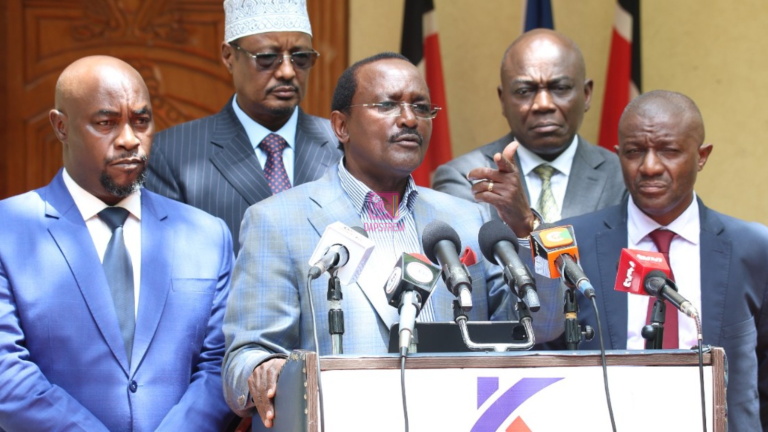
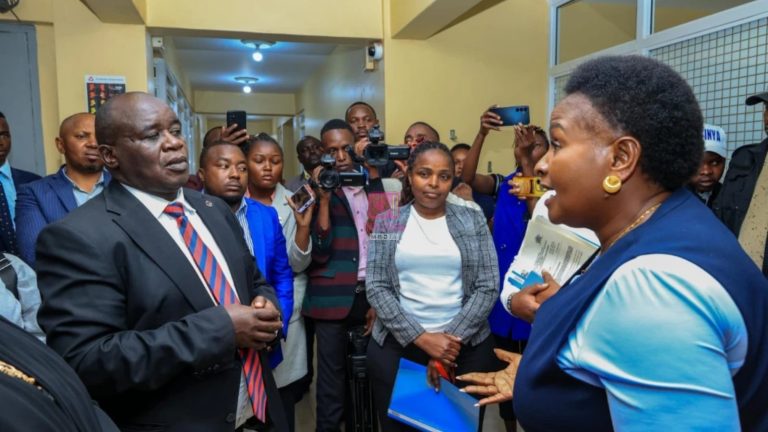
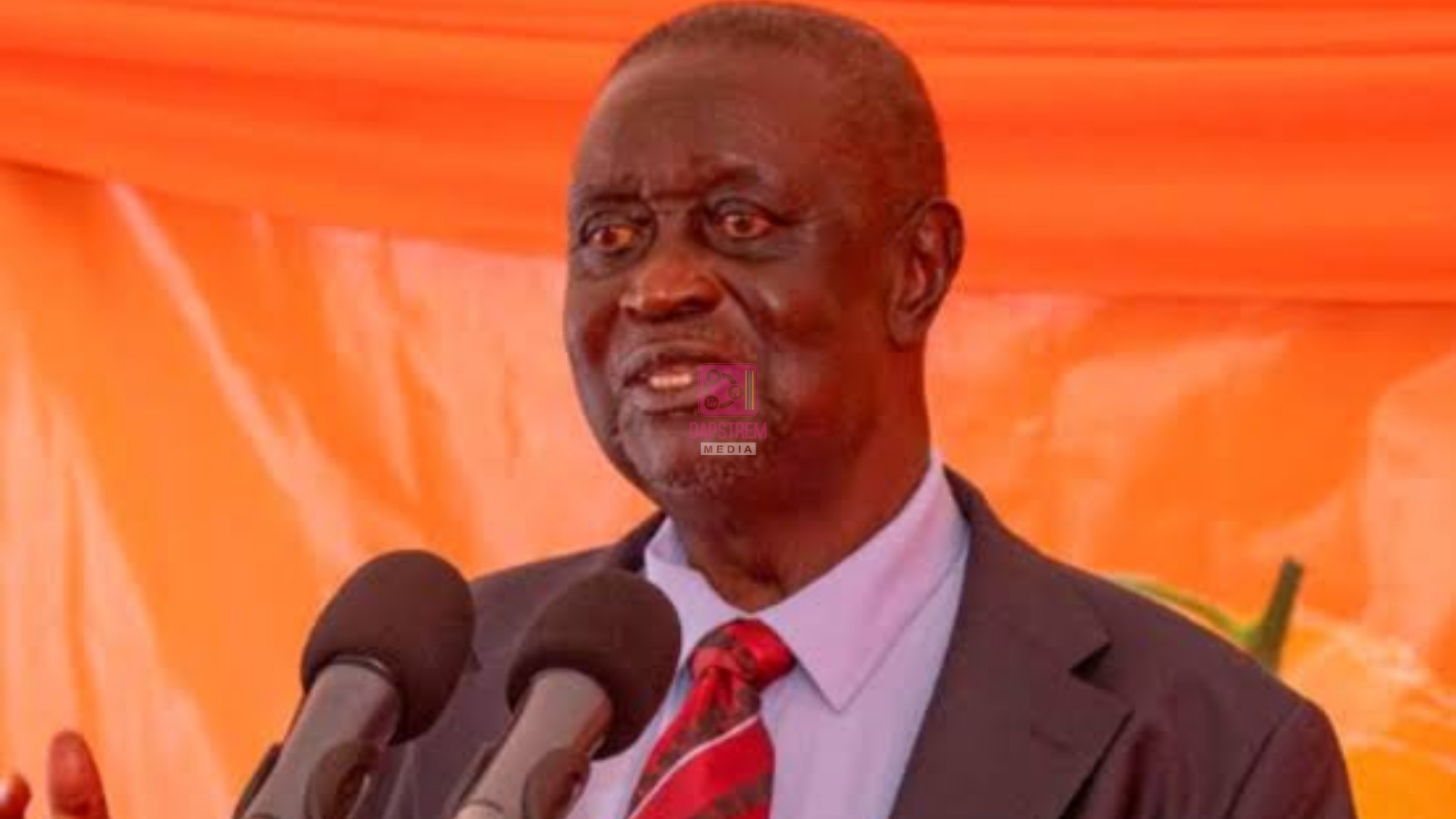
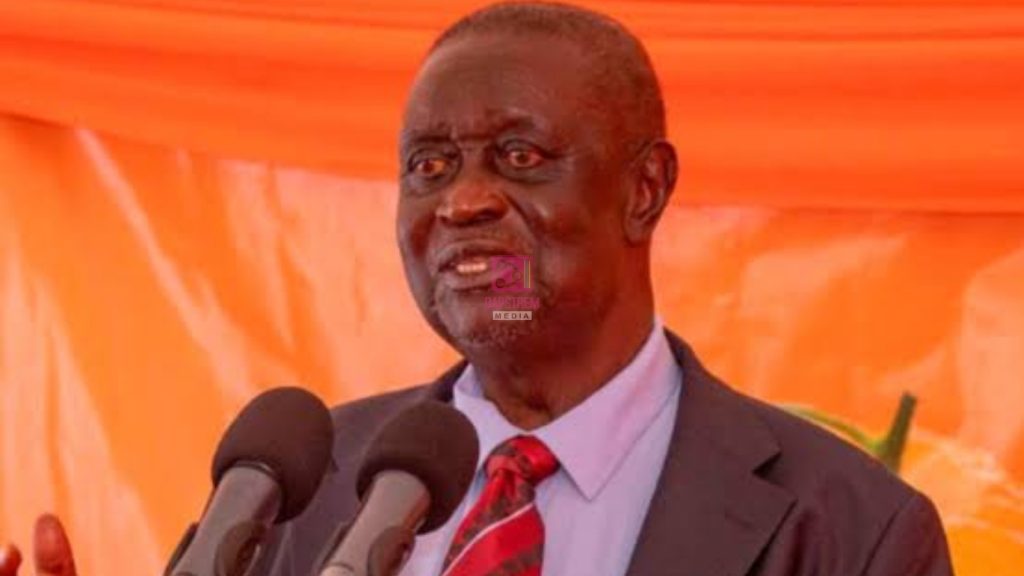
Orange Democratic Movement (ODM) leader Oburu Oginga has intensified efforts to protect the party’s traditional support base in Nyanza, reportedly urging President William Ruto to restrain the United Democratic Alliance (UDA) from aggressively fielding candidates and expanding its political structures in the region ahead of the 2027 General Election.
The appeal highlights ODM’s growing concern that the ruling party’s sustained grassroots mobilisation could gradually weaken its decades-long dominance in Luo Nyanza, a region that has remained the backbone of the party since its formation in 2005.
Political observers say the request also underscores the delicate balancing act ODM faces as it pursues closer cooperation with President Ruto’s administration while seeking to preserve its political identity and bargaining power.
The zoning debate returns
The issue of political zoning has gained prominence following discussions surrounding a possible pre-election cooperation agreement between ODM and UDA.
According to reports, Oburu told ODM leaders that discussions with President Ruto had explored the possibility of treating Nyanza as an ODM zone, with UDA expected to avoid fielding candidates in the region in exchange for political cooperation elsewhere. While the reports generated widespread debate, Oburu later clarified that no formal zoning agreement had been reached, stressing that coalition negotiations had not officially begun and that any arrangement would only emerge through mutual agreement.
He nevertheless maintained that ODM would defend areas where it enjoys overwhelming support, including Nyanza, parts of Western Kenya, the Coast and sections of Nairobi.
ODM’s shrinking political space
Oburu’s remarks come at a time when ODM is navigating one of the most significant transitions in its history.
Since the broad-based political cooperation between President Ruto and the ODM leadership began, several ODM politicians have embraced closer ties with the Kenya Kwanza administration. The partnership has eased political tensions but has also fuelled internal debate over the party’s long-term future and ideological independence.
At the grassroots level, UDA has continued recruiting members, opening offices and courting leaders in counties traditionally regarded as ODM strongholds.
Political analysts argue that while such activities are normal in a multiparty democracy, they inevitably challenge ODM’s dominance and could reshape electoral competition ahead of 2027.
Beyond competition from UDA, ODM has also faced internal disagreements over the party’s future direction.
Differences among senior leaders regarding cooperation with President Ruto, coalition negotiations and the party’s succession have exposed divisions that critics believe weaken ODM’s negotiating position.
Although Oburu has repeatedly dismissed claims that the party is fractured, he has called on members to remain united, strengthen grassroots structures and increase party membership ahead of the next elections.
UDA insists every region is open
On its part, UDA has consistently maintained that every Kenyan region is open to political competition.
The ruling party argues that the Constitution guarantees freedom of association and political participation, giving every party the right to recruit members and field candidates anywhere in the country.
Senior Kenya Kwanza leaders have rejected the notion of exclusive political zones, insisting that voters not political parties determine electoral outcomes.
2027 calculations already underway
Oburu has in recent months taken a leading role in discussions on ODM’s electoral strategy, including coalition talks with UDA. He has publicly indicated that ODM is pursuing a pre-election agreement with President Ruto’s party and has even declared that ODM is unlikely to field its own presidential candidate in 2027, instead favouring support for President Ruto’s re-election if negotiations are successfully concluded.
That position has generated mixed reactions within ODM, with some leaders supporting closer collaboration with the government while others favour maintaining the party’s traditional opposition identity.
Whether or not a formal coalition between ODM and UDA materialises, the contest for influence in Nyanza is expected to remain one of the defining political battles ahead of the 2027 General Election.
For ODM, retaining overwhelming support in its traditional strongholds is essential to maintaining its influence in national politics and strengthening its negotiating position in any future coalition.
For UDA, making significant inroads into Nyanza would represent a symbolic and strategic breakthrough in its ambition to establish itself as a truly national political party.
As coalition talks continue behind the scenes, Oburu Oginga’s appeal illustrates the political reality facing ODM: preserving its heartland may prove just as important as expanding its national alliances.