
DR Congo’s Ebola Death Toll Rises to 1,033 as Confirmed Cases Surpass 2,500
The Democratic Republic of Congo (DRC) is continuing to battle one of its most serious public health emergencies in recent years after the country’s Ebola death toll rose to 1,033, while the number of confirmed cases surpassed 2,500. The alarming figures have intensified concerns among health authorities, humanitarian organizations, neighboring countries, and the international community as efforts to contain the deadly virus continue.
The latest statistics underscore the devastating impact Ebola continues to have on communities across affected regions. Despite ongoing intervention measures that include surveillance, treatment, vaccination campaigns, community education, and contact tracing, the disease remains a major threat to public health, particularly in areas where healthcare systems face significant challenges.
Ebola is among the world’s deadliest viral diseases, capable of causing severe illness and death if not detected and treated promptly. The virus spreads through direct contact with the blood, body fluids, or tissues of infected individuals or contaminated materials. Because of its highly infectious nature and high fatality rate, outbreaks often require rapid emergency responses involving governments, healthcare workers, international agencies, and local communities.
The latest increase in fatalities reflects the enormous challenge facing health authorities as they work to interrupt transmission chains while ensuring patients receive timely medical care. Every confirmed case requires immediate investigation, isolation, medical treatment, and identification of individuals who may have been exposed to the virus in order to prevent further spread.
Health experts note that containing Ebola outbreaks demands far more than treating infected patients. Successful control depends on strong disease surveillance systems capable of identifying new infections quickly, tracing contacts, monitoring exposed individuals, and responding rapidly whenever new cases emerge. Delays at any stage of this process can allow the virus to spread more widely within communities.
The Democratic Republic of Congo has experienced multiple Ebola outbreaks over the past several decades, making it one of the countries most frequently affected by the disease. Although each outbreak presents unique challenges, lessons learned from previous responses have helped strengthen surveillance systems, laboratory capacity, emergency preparedness, and vaccination strategies.
Even so, responding to Ebola in the DRC remains particularly complex. Many affected areas are geographically remote, making access to healthcare facilities difficult. Poor road networks, limited communication infrastructure, and shortages of medical resources often slow emergency response efforts. In some regions, insecurity and armed conflict further complicate the delivery of healthcare services and humanitarian assistance.
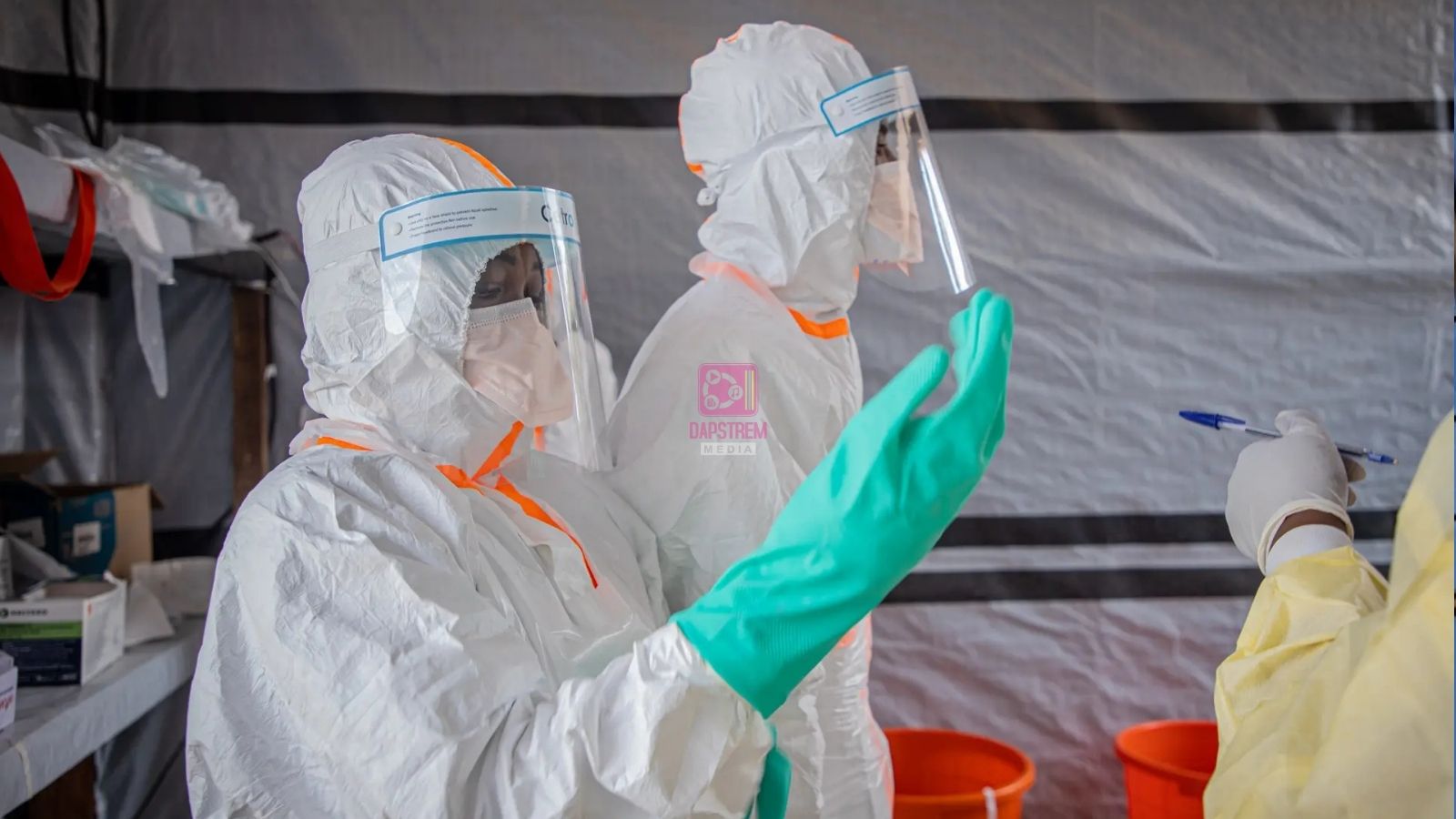
Medical professionals working on the front lines continue to face enormous risks while caring for infected patients. Doctors, nurses, laboratory personnel, ambulance teams, and community health workers are often exposed to dangerous conditions as they carry out their responsibilities. Strict infection prevention and control measures, including the use of personal protective equipment, are essential to protecting healthcare workers from infection.
Vaccination remains one of the most effective tools in controlling Ebola outbreaks. Health authorities have continued administering approved Ebola vaccines to individuals identified as close contacts of confirmed patients, as well as frontline healthcare workers and others considered at high risk of exposure. This strategy, commonly known as ring vaccination, aims to create a protective barrier around confirmed cases and reduce further transmission.
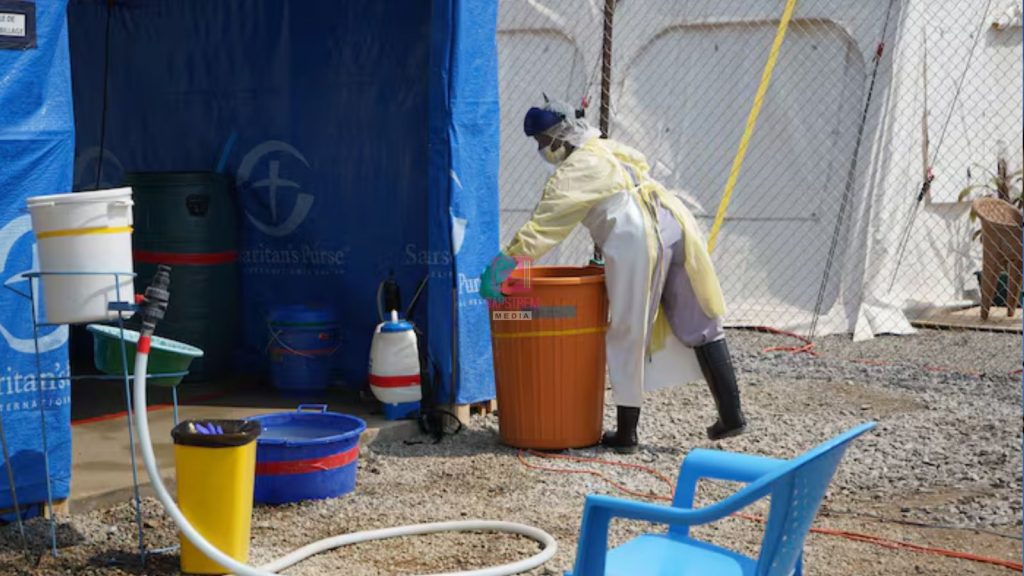
In addition to vaccination, treatment centers continue providing specialized medical care to infected patients. Advances in Ebola treatment over recent years have significantly improved survival rates compared to earlier outbreaks. Early diagnosis, supportive medical care, and access to approved therapeutic treatments increase the likelihood of recovery, highlighting the importance of seeking medical attention as soon as symptoms appear.
Typical symptoms of Ebola include sudden fever, severe headache, muscle pain, weakness, fatigue, sore throat, vomiting, diarrhea, abdominal pain, and, in some cases, internal or external bleeding. Because these symptoms resemble those of several other tropical diseases during the early stages, laboratory testing plays a critical role in confirming infections and guiding appropriate treatment.
Community participation has proven equally important in controlling Ebola. Public health officials emphasize that local communities are essential partners in disease surveillance, reporting suspected cases, supporting contact tracing, and adopting safe health practices. Building trust between healthcare workers and local populations helps improve cooperation and encourages individuals to seek treatment early rather than hiding symptoms due to fear or misinformation.
Public education campaigns continue encouraging residents to practice good hygiene, avoid direct contact with infected individuals or bodily fluids, report suspected cases promptly, and follow guidance provided by health authorities. These awareness efforts aim to reduce misinformation, combat stigma surrounding Ebola survivors, and promote behaviors that limit transmission.
The outbreak has also placed considerable pressure on the Democratic Republic of Congo’s healthcare system. Hospitals and treatment centers must allocate significant resources toward Ebola response while continuing to provide routine medical services such as maternal healthcare, childhood immunization, emergency surgery, and treatment for other infectious diseases. Maintaining these essential services remains critical to preventing additional health crises.
Beyond its immediate health consequences, the Ebola outbreak continues affecting the country’s economy and social well-being. Businesses have experienced disruptions, cross-border trade has slowed in some regions, schools have faced interruptions, and many families have lost their primary income earners due to illness or death. Communities affected by prolonged outbreaks often experience long-term economic hardship that extends well beyond the public health emergency itself.
Neighboring countries remain on high alert due to the potential risk of cross-border transmission. Health authorities throughout the region have strengthened screening at border crossings, airports, and other entry points while enhancing surveillance systems to detect imported cases quickly. Regional cooperation has become an important component of Ebola preparedness, particularly in areas with frequent cross-border movement.
International organizations continue supporting the response through funding, technical expertise, medical supplies, laboratory services, vaccination programs, and emergency personnel. Collaborative efforts involving national governments, humanitarian agencies, research institutions, and global health partners remain vital in containing the outbreak and reducing further loss of life.
The outbreak also serves as a reminder of the importance of investing in resilient healthcare systems capable of responding rapidly to emerging infectious diseases. Public health emergencies require strong laboratory networks, trained healthcare personnel, reliable disease surveillance, emergency preparedness plans, and adequate medical infrastructure long before outbreaks occur.
Researchers continue studying Ebola to improve vaccines, treatments, diagnostic tools, and outbreak response strategies. Scientific advances achieved during previous outbreaks have already contributed to improved patient survival and faster containment efforts. Continued investment in research is expected to strengthen future responses while reducing the impact of similar public health emergencies.
Mental health support has also become an increasingly important aspect of Ebola response efforts. Families who lose loved ones, survivors recovering from illness, healthcare workers facing prolonged stress, and communities experiencing repeated outbreaks often require psychological support alongside medical care. Addressing these emotional and social impacts contributes to overall recovery and community resilience.
Public health experts caution that while rising case numbers are concerning, continued surveillance and transparent reporting remain positive indicators of an active response system. Accurate reporting allows health authorities to identify transmission patterns, allocate resources effectively, and adapt intervention strategies as the outbreak evolves.
The increase in confirmed cases beyond 2,500 and the death toll exceeding 1,033 demonstrate the seriousness of the situation and the urgent need for sustained national and international cooperation. Containing Ebola requires persistence, adequate funding, scientific expertise, and strong community engagement over extended periods.
As response efforts continue, millions of people inside and outside the Democratic Republic of Congo remain hopeful that ongoing vaccination campaigns, improved medical treatment, effective surveillance, and coordinated public health interventions will eventually bring the outbreak under control. Until then, vigilance remains essential to preventing further infections and protecting vulnerable populations.
The latest Ebola figures represent more than statistics. Behind every confirmed case is an individual, a family, and a community whose lives have been profoundly affected. The continued rise in infections and deaths serves as a sobering reminder of the devastating impact infectious diseases can have when they spread rapidly, but it also highlights the courage of healthcare workers, researchers, volunteers, and humanitarian organizations working tirelessly to save lives and restore hope in one of Africa’s most challenging public health emergencies.