UK Political Shock as Sir Keir Starmer Announces Planned Resignation from Labour Leadership and Exit Timeline as Prime Minister
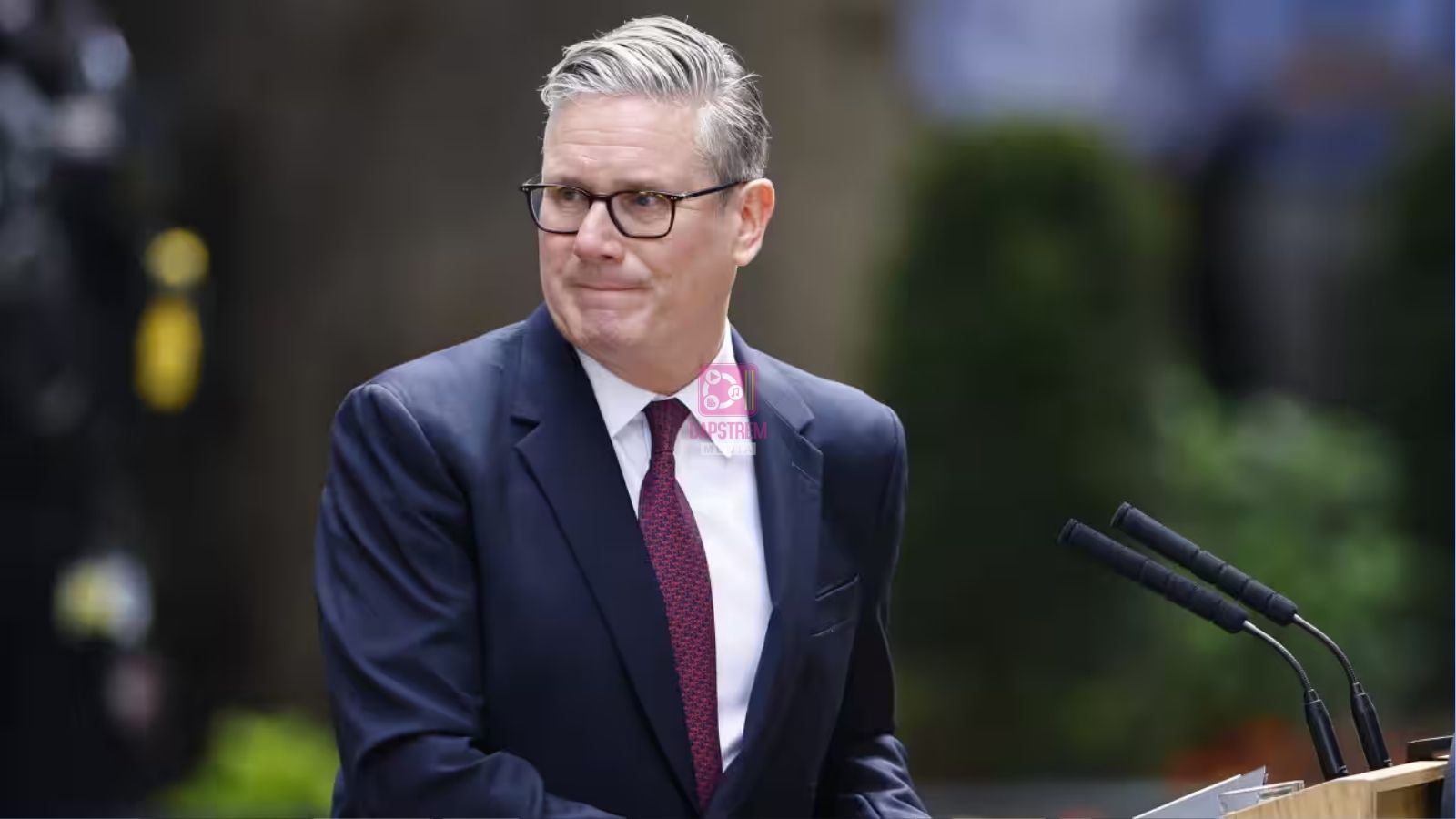
The United Kingdom’s political landscape has been thrown into uncertainty following reports that Prime Minister Sir Keir Starmer has stepped down as leader of the Labour Party and outlined plans to leave office as Prime Minister by September. The development marks a dramatic turning point for a government that had only recently consolidated power and begun implementing its policy agenda.
According to the reports, Sir Keir Starmer, who leads the Labour Party and has served as Prime Minister since Labour’s return to government, informed senior party officials of his intention to resign both as party leader and head of government within the coming months. While the full details surrounding his decision remain limited, the announcement has already triggered widespread political reaction across the country.
The news has sent shockwaves through Westminster, with analysts describing the move as one of the most significant political developments in recent years. Leadership transitions at the level of Prime Minister are rare and often signal major shifts in party direction, governance priorities, and national policy outlook.
Sir Keir Starmer’s leadership has been closely watched since he took over the Labour Party during a period of internal restructuring and political repositioning. As a former Director of Public Prosecutions, he brought a legal and institutional background to politics, emphasizing discipline, governance reforms, and restoration of public trust in government institutions.
Under his leadership, Labour positioned itself as a centrist and reform-oriented party, focusing on economic stability, public service improvement, and rebuilding international relationships. His tenure was widely seen as an effort to move the party away from internal divisions and toward a more unified governing platform.
The reported decision to step down has raised immediate questions about succession within both the Labour Party and the UK government. Attention is now turning to potential contenders who may seek to assume leadership of the party and, by extension, the office of Prime Minister. Internal party mechanisms are expected to play a key role in determining the next leader, with senior cabinet figures and influential MPs likely to emerge as frontrunners.
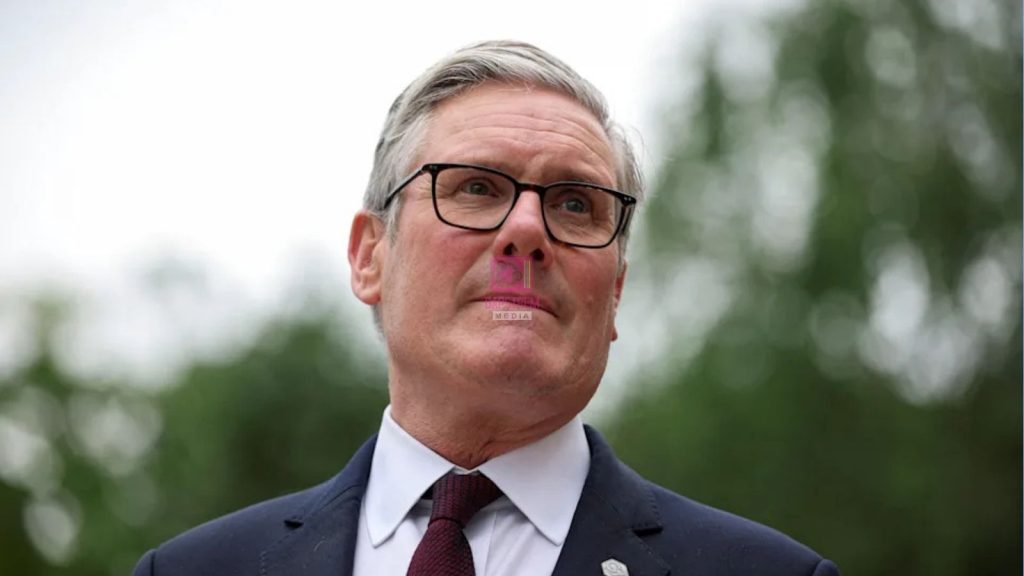
Political observers note that leadership transitions within governing parties often trigger periods of uncertainty, both within Parliament and across the broader public. Policy continuity, cabinet stability, and market confidence are typically among the immediate concerns when a sitting Prime Minister announces their departure.
Financial markets are expected to closely monitor developments in the coming weeks, as political stability is often a key factor influencing investor confidence. The UK economy, already navigating global pressures, inflation concerns, and domestic policy challenges, may face additional uncertainty during the transition period.
Within the Labour Party, reactions to the announcement are reported to be mixed. While some members have expressed support for Sir Keir Starmer’s leadership and respect for his decision, others are said to be concerned about the timing and potential impact on the party’s long-term political strategy.
Opposition parties have also responded cautiously, with some calling for clarity on the reasons behind the resignation timeline and others preparing to challenge Labour’s governance record in the lead-up to any leadership contest. The Conservative Party and other opposition groups are expected to use the development to reassess their own political strategies and positioning.
Sir Keir Starmer’s political journey has been marked by a steady rise through the ranks of the Labour Party, culminating in his leadership role and eventual premiership. His tenure has been characterized by efforts to restore public confidence in governance, strengthen institutional accountability, and present Labour as a stable governing alternative.
However, like many political leaders, his time in office has also been shaped by significant challenges, including managing public expectations, navigating complex economic conditions, and maintaining unity within a diverse political party.
The announcement of his planned departure raises broader questions about leadership sustainability in modern British politics. Increasing pressures on political leaders, combined with fast-moving domestic and international challenges, have made governing more demanding than ever before.
If confirmed, the resignation would trigger a formal leadership contest within the Labour Party, a process that typically involves votes by party members, Members of Parliament, and affiliated organizations. The outcome of such a contest would not only determine the next party leader but also the future direction of the UK government.
For the public, the announcement introduces a period of political uncertainty at a time when stability is often seen as essential for addressing economic and social challenges. Citizens will be closely watching how the transition unfolds and what it means for key policy areas such as healthcare, housing, taxation, and national security.
Internationally, the development is also likely to attract attention from allies and partners of the United Kingdom. Leadership changes at the highest level of government often prompt reassessments of diplomatic engagement and foreign policy continuity.
As the situation continues to develop, attention remains focused on official confirmation, the timeline for transition, and the identity of potential successors. What is clear, however, is that the reported resignation of Sir Keir Starmer represents a pivotal moment in UK politics, with consequences that could shape the country’s governance for years to come.
Whether viewed as a personal decision, a political strategy, or the result of broader pressures, the move signals the beginning of a new chapter for both the Labour Party and the United Kingdom as a whole.