
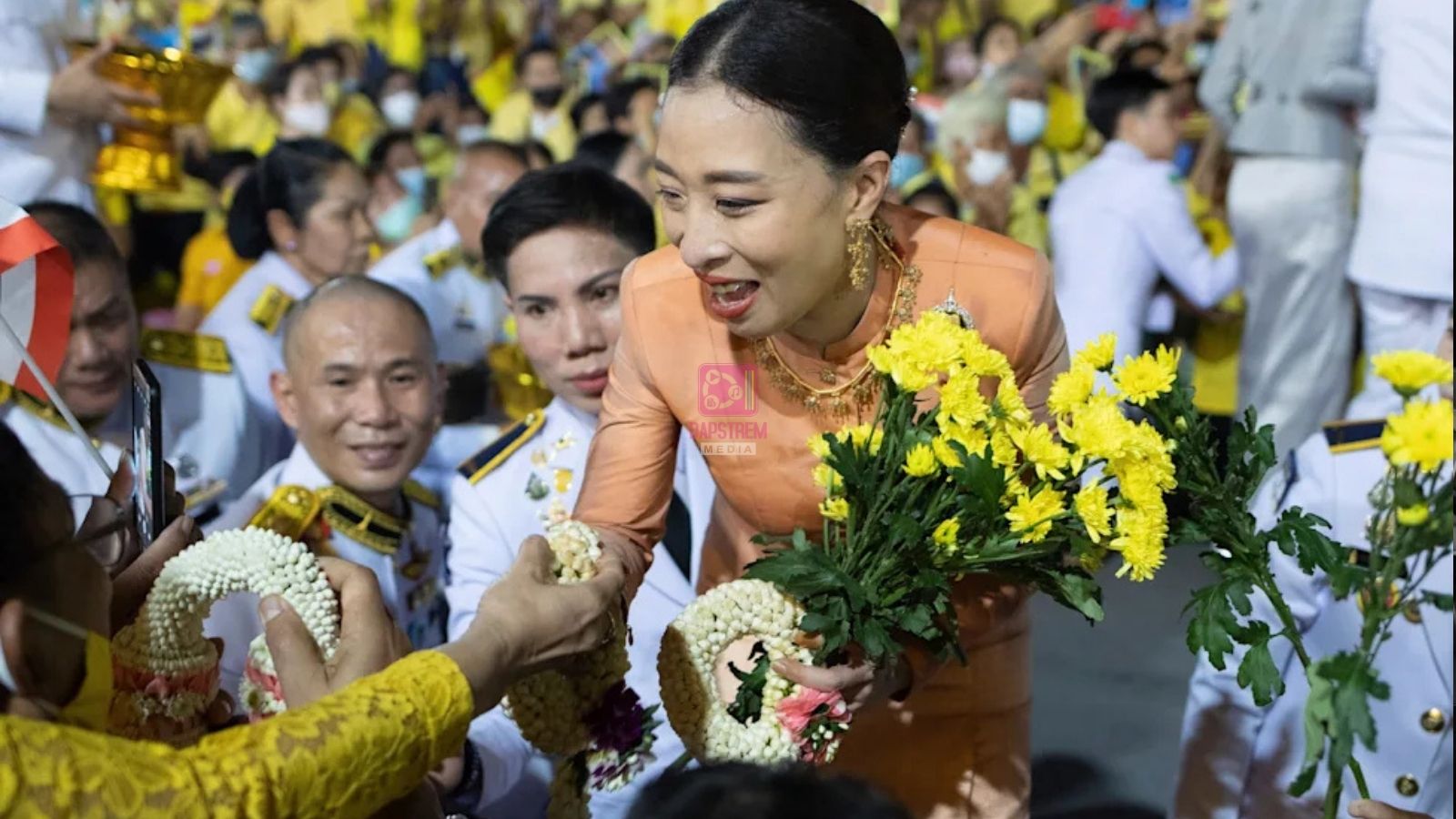
Thailand’s Princess Bajrakitiyabha Dies at 47 After Prolonged Coma, Leaving Behind Legacy of Law and Reform
Thailand has been plunged into mourning following the death of Princess Bajrakitiyabha Mahidol, the eldest daughter of King Maha Vajiralongkorn, who has passed away at the age of 47 after spending more than three years in a coma.
The princess had been hospitalized since December 2022, when she suddenly collapsed due to a severe heart condition that was later reported to be linked to a mycoplasma infection. Despite intensive medical care over the years, she remained in a critical and unconscious state until her death was officially announced, marking the end of a prolonged and closely followed medical situation that had drawn attention both within Thailand and internationally.
Her passing represents a significant moment for the Thai royal family, which is one of the most prominent constitutional monarchies in the world. As the eldest daughter of King Vajiralongkorn, Princess Bajrakitiyabha held a unique position within the royal household and was widely regarded as one of the most capable and publicly active members of the younger generation of the monarchy.
Beyond her royal duties, she built a distinguished career in law, diplomacy, and international advocacy. Educated in some of the world’s leading institutions, she trained as a lawyer and later served in various legal and diplomatic roles, including as Thailand’s ambassador to several international bodies. Her professional background set her apart as a modern royal figure with experience in both governance and international relations.

One of her most notable contributions was her work in criminal justice reform and the treatment of women in correctional systems. She was actively involved in initiatives under the United Nations Office on Drugs and Crime (UNODC), where she championed efforts to improve conditions for female prisoners and promote fairer, more humane correctional practices. Her advocacy earned her respect among international legal and human rights communities, who viewed her as a reform-minded figure capable of bridging royal influence with global policy engagement.
Princess Bajrakitiyabha was also seen by many analysts and observers as a potential key figure in Thailand’s future royal succession planning. While the Thai monarchy’s succession is governed by strict constitutional and traditional frameworks, her education, public service record, and international profile positioned her as one of the most prominent members of the royal family in recent decades. Her long illness, however, significantly altered public expectations regarding her future role.
The collapse in December 2022 marked a sudden and dramatic shift in her public life. At the time, official statements indicated that she had suffered a severe heart-related medical emergency believed to be associated with a bacterial infection. She was placed under intensive medical care in Bangkok, where she remained in a coma for the duration of her hospitalization.
Over the following years, updates on her condition were limited and carefully managed, reflecting both the sensitivity of royal medical matters in Thailand and the deep respect afforded to the monarchy within the country. Her prolonged absence from public life became a quiet but persistent concern among observers, even as official communications maintained hope for her recovery.
Her death now brings closure to a medical ordeal that stretched across years and had become a symbol of uncertainty for many within Thailand’s royal circles. It also marks the loss of a royal figure who had been increasingly associated with modernization, legal reform, and international engagement.
Tributes are expected to focus on her professional achievements as much as her royal status. Her work in criminal justice reform, particularly her focus on improving the treatment of women in prisons, is likely to be highlighted as one of her most enduring legacies. International organizations that collaborated with her are expected to acknowledge her contributions to advancing global discussions on justice reform and human rights within correctional systems.
Within Thailand, her passing is likely to prompt a period of national mourning and reflection, particularly among those who followed her public service career and viewed her as part of a new generation of royal leadership. The Thai monarchy remains a deeply influential institution in national life, and events involving senior members of the royal family often carry significant cultural and emotional weight.
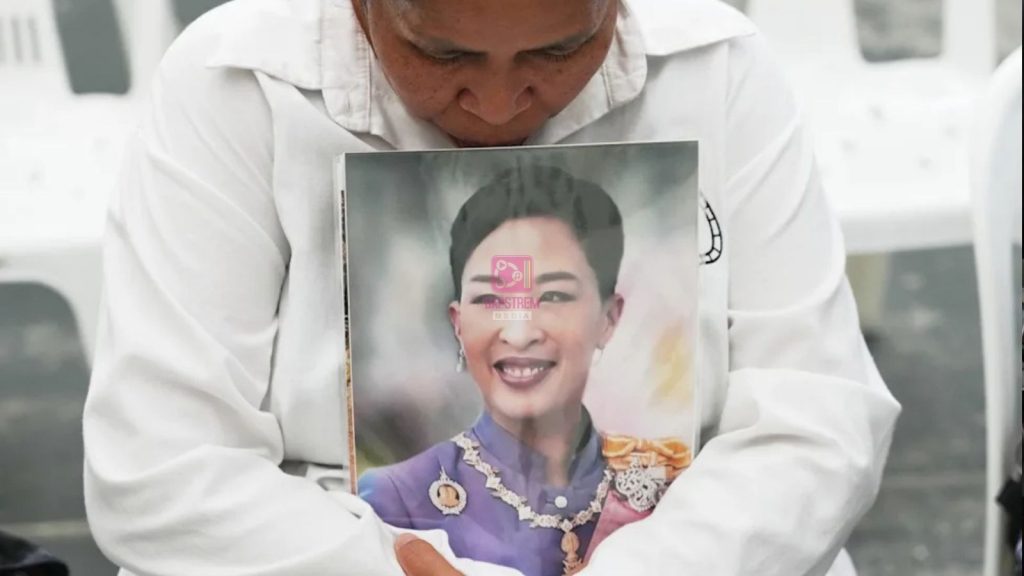
While questions about succession and the future structure of royal responsibilities may resurface in the long term, the immediate focus is expected to remain on honoring her life, her service, and the years she spent under medical care following her collapse.
Princess Bajrakitiyabha’s death at 47 brings to a close a life that combined royal duty, legal expertise, and international advocacy. Her journey from lawyer and diplomat to a senior royal figure reflected both tradition and modernity, and her legacy will likely continue to be discussed in the context of Thailand’s evolving monarchy and its role in contemporary global affairs.
As Thailand mourns, the memory of her contributions—particularly in law, diplomacy, and reform—will remain central to how she is remembered in both national and international circles.