
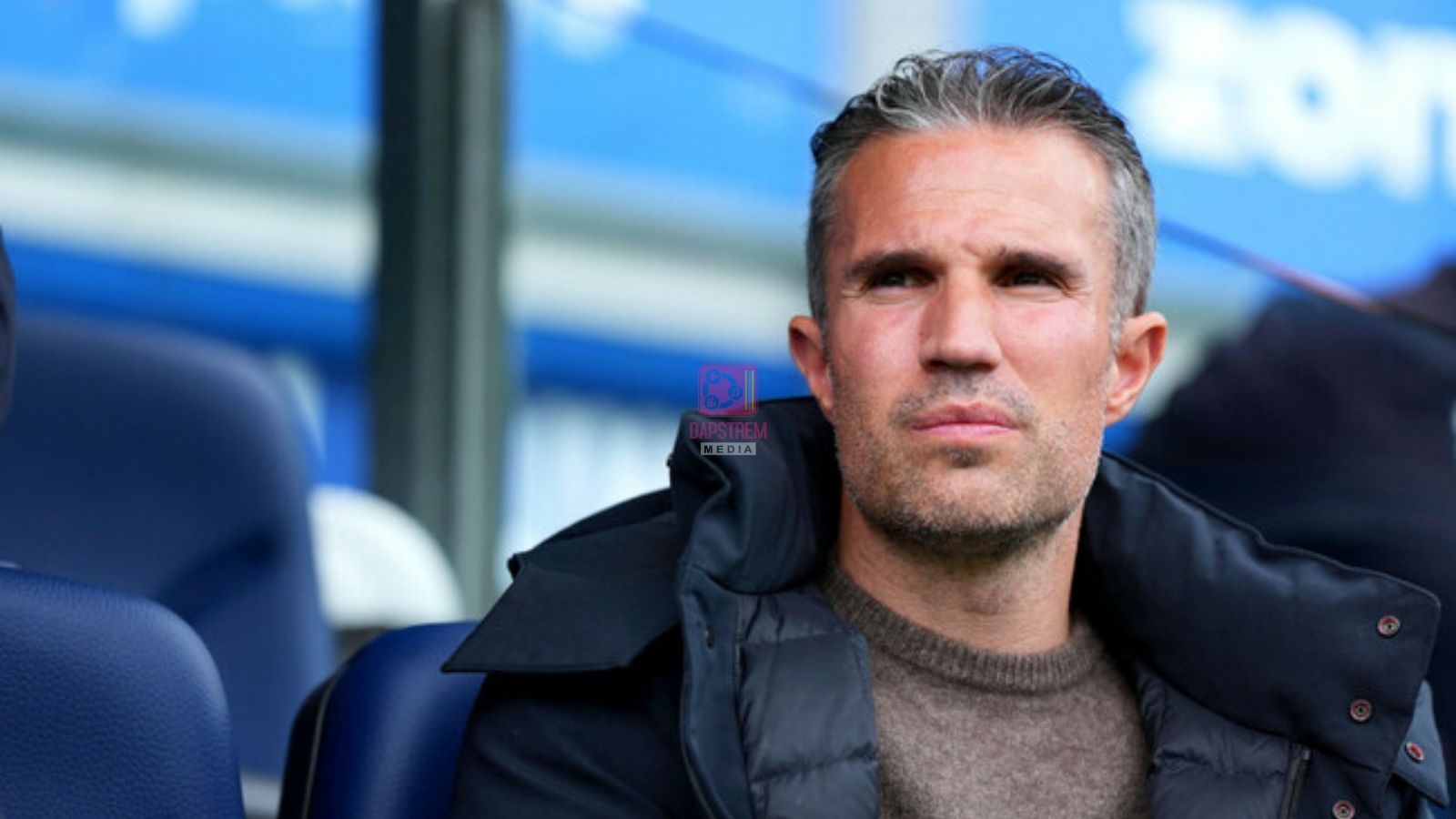
Feyenoord Sack Robin van Persie After “Difficult Season” as Club Looks for Reset
Feyenoord have officially parted ways with head coach Robin van Persie following what the club described as a “difficult season,” bringing an end to a managerial spell that had carried high expectations but ultimately failed to deliver consistent results.
The decision marks a significant turning point for the Dutch giants, who entered the season with hopes of building stability, competing strongly in the Eredivisie title race, and making a deeper impact in European competitions. Instead, inconsistent performances, dropped points in key matches, and growing pressure from supporters appear to have forced the club’s hand in making an early managerial change.
Van Persie, one of the most celebrated Dutch forwards of his generation, returned to Feyenoord with considerable optimism surrounding his transition into coaching. His legendary playing career at clubs such as Arsenal, Manchester United, and Feyenoord itself had created strong emotional ties with fans, many of whom saw him as a symbol of attacking excellence and club identity. His appointment was initially welcomed as a bold move that could blend club tradition with modern coaching ambition.
However, football management often demands immediate results, and Feyenoord’s campaign reportedly failed to meet internal expectations. While there were moments of promise and flashes of tactical improvement, the team struggled to maintain consistency over the course of the season. Defensive vulnerabilities, missed opportunities in front of goal, and a lack of control in high-pressure fixtures contributed to a sense that the project was not progressing as planned.
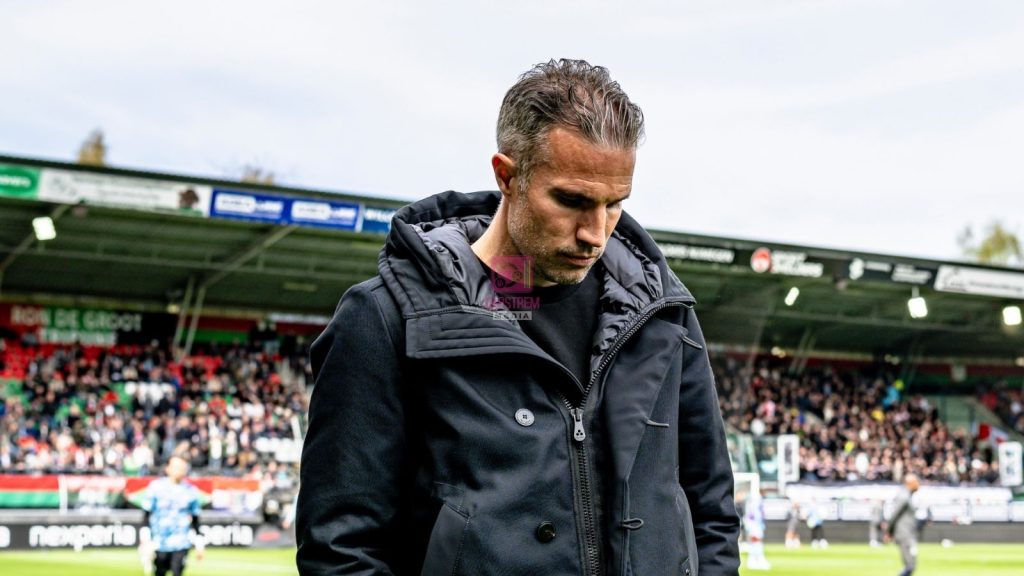
In domestic competition, Feyenoord found themselves unable to sustain a strong title challenge, falling behind key rivals in crucial phases of the season. Dropped points against lower-ranked teams proved particularly damaging, as they often cost the club valuable momentum in the tightly contested Eredivisie race. In European fixtures, the team also struggled to assert dominance, raising further questions about tactical balance and squad depth.
The club’s decision to relieve van Persie of his duties is understood to have been influenced not only by results but also by broader concerns about long-term direction. Modern football management is increasingly judged on both performance and trajectory, and Feyenoord’s leadership appears to have concluded that a change was necessary to protect the club’s ambitions moving forward.
Supporters’ reactions to the news have been mixed. Some fans expressed disappointment, arguing that van Persie deserved more time to implement his ideas fully. They pointed to his status as a club legend and suggested that rebuilding phases in football require patience, especially when transitioning from playing greatness to managerial development. Others, however, acknowledged the results-based nature of elite football and accepted that the team’s performances had not reached the expected standards.
Van Persie’s coaching journey is still in its early stages compared to many of his contemporaries in management, and this setback highlights the challenges that even elite former players face when stepping into top-level coaching roles. The shift from being a world-class forward to leading a squad from the touchline involves a different set of pressures, including tactical adaptability, man-management, and week-to-week consistency under intense scrutiny.
Feyenoord, on their part, are now expected to begin the process of identifying a replacement capable of stabilizing the team and re-energizing their domestic and European campaigns. The club remains one of the most prestigious in Dutch football, with a strong history, passionate fan base, and consistent expectations of competing at the top level. Any incoming manager will be tasked with quickly restoring confidence and ensuring that the squad remains competitive in both league and cup competitions.
The timing of the decision suggests that Feyenoord are keen to avoid allowing the season to drift further. In modern football, clubs often act decisively when they believe a project is not progressing as intended, particularly when there is still enough of the season left to salvage objectives or secure European qualification targets.
Behind the scenes, attention will also turn to squad performance and whether structural issues contributed to the disappointing campaign. Managerial changes often trigger broader internal reviews, including assessments of recruitment, player development, injury management, and tactical identity. Feyenoord’s leadership is likely to consider all these factors as they plan the next phase of the club’s direction.
For van Persie, this dismissal represents an early and difficult chapter in his managerial career. However, it is not uncommon for former elite players to experience setbacks during their transition into coaching. Many successful managers have faced early challenges before eventually finding systems, environments, and roles that better suit their development.
As the dust settles, Feyenoord’s focus will now shift to rebuilding momentum and ensuring that the remainder of the season does not slip further out of control. The club’s ambitions remain unchanged, but the pathway to achieving them will now be shaped by a new figure on the touchline.
The departure of Robin van Persie closes a short but high-profile managerial chapter at Feyenoord, one that began with optimism and ended with difficult questions about expectations, performance, and timing. The coming weeks will determine not only who takes over the role, but also how quickly the club can recover and re-establish itself as a force in Dutch and European football.