German Development Bank Injects Ksh150 Million into East Africa’s Ebola Response Efforts
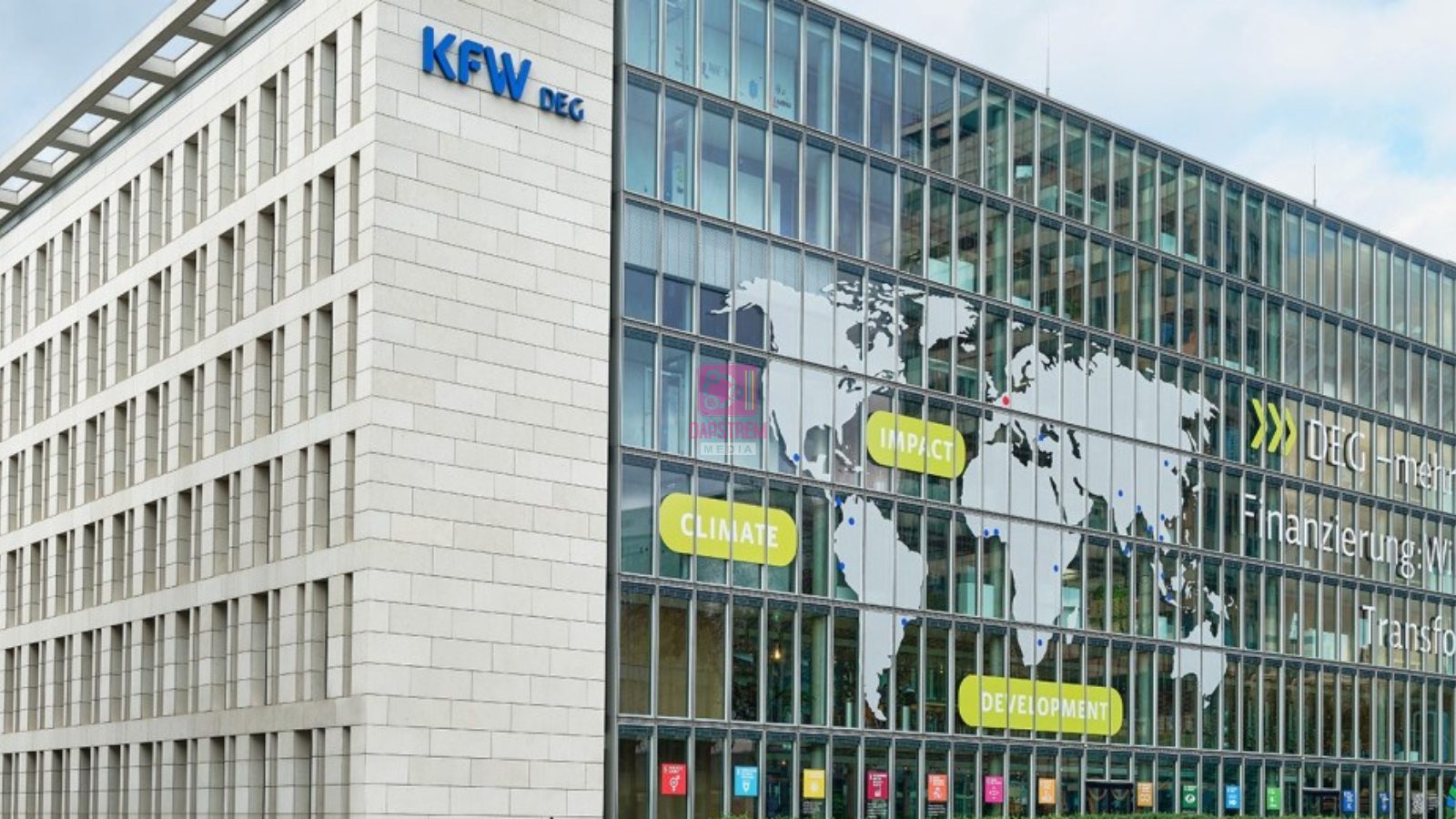
The fight against Ebola in East Africa has received a significant boost after the German Development Bank (KfW) committed Ksh150 million to support the East African Community’s (EAC) preparedness and response efforts against the deadly disease. The funding comes at a crucial time when health authorities across the region remain on high alert due to the continued threat posed by Ebola outbreaks in parts of Africa.
The financial commitment underscores the growing importance of regional cooperation in addressing public health emergencies that often transcend national borders. It also highlights the international community’s recognition that effective disease surveillance, rapid response mechanisms, and strong healthcare systems are essential in preventing outbreaks from escalating into major humanitarian crises.
Ebola remains one of the world’s most feared infectious diseases due to its high fatality rate and its ability to spread rapidly when not contained early. Over the years, outbreaks in several African countries have demonstrated how quickly the virus can overwhelm healthcare systems, disrupt economies, and create widespread fear among populations. As a result, governments, development partners, and health organizations continue to invest heavily in preparedness measures aimed at reducing vulnerabilities and strengthening emergency response capabilities.
The latest support from KfW is expected to enhance the East African Community’s ability to coordinate regional efforts, improve disease surveillance systems, strengthen laboratory capacities, train healthcare workers, and support cross-border interventions. Such investments are particularly important in a region characterized by significant movement of people, goods, and services across national boundaries.
East Africa’s interconnected economies and transport networks provide enormous opportunities for trade and development, but they also increase the risk of infectious diseases spreading across borders. A disease outbreak in one country can quickly become a regional concern if adequate preventive measures are not put in place. This reality has made regional cooperation an indispensable component of public health security.
The Ksh150 million commitment is expected to support several critical areas of intervention. One key priority is strengthening surveillance systems that enable health authorities to detect suspected Ebola cases quickly. Early detection remains one of the most effective tools in controlling outbreaks because it allows health officials to isolate cases, trace contacts, and implement containment measures before widespread transmission occurs.
Surveillance efforts often involve monitoring health facilities, training frontline healthcare workers, conducting community awareness campaigns, and establishing reporting systems capable of identifying unusual disease patterns. Enhanced surveillance increases the likelihood that outbreaks can be detected and addressed at their earliest stages.
The funding is also likely to support laboratory infrastructure and diagnostic capabilities. Accurate and timely diagnosis is essential in responding to Ebola outbreaks because symptoms can resemble those of other diseases such as malaria, typhoid, and various viral infections. Modern laboratory facilities enable health professionals to confirm cases quickly and make informed decisions regarding treatment and containment strategies.
Healthcare worker training represents another critical component of Ebola preparedness. Frontline medical personnel often face the highest risk during outbreaks due to their direct contact with infected patients. Providing healthcare workers with specialized training, protective equipment, and clear response protocols can significantly reduce infection risks while improving patient outcomes.
Lessons learned from previous Ebola outbreaks have demonstrated the importance of equipping medical teams with the knowledge and resources needed to manage cases safely and effectively. Strong healthcare systems depend not only on infrastructure but also on a skilled workforce capable of responding confidently during emergencies.
Community engagement will likely play a major role in the implementation of the funded initiatives. Public awareness campaigns are essential in combating misinformation, reducing panic, and encouraging cooperation with health authorities. During disease outbreaks, accurate information can save lives by helping communities understand symptoms, prevention measures, and the importance of seeking medical attention promptly.
Health experts have consistently emphasized that successful outbreak control requires trust between communities and healthcare providers. People are more likely to report symptoms, comply with public health guidelines, and support containment efforts when they have confidence in the information they receive and the institutions leading the response.
Cross-border collaboration is another area expected to benefit from the new funding. The East African Community comprises countries with extensive social, economic, and cultural ties. Millions of people cross borders every year for trade, employment, tourism, education, and family visits.
While such movement is vital for regional integration, it can also facilitate the spread of infectious diseases. Strengthening border health measures, harmonizing response protocols, and improving information sharing among member states are therefore essential elements of effective outbreak management.
The contribution from KfW reflects Germany’s broader commitment to supporting global health initiatives and sustainable development. Through development cooperation programs, Germany has partnered with African countries on numerous projects aimed at improving healthcare systems, promoting economic development, strengthening governance, and addressing humanitarian challenges.
The German Development Bank has long been involved in financing projects that contribute to social and economic development around the world. Its support for Ebola preparedness in East Africa demonstrates the growing recognition that global health security depends on international partnerships and coordinated action.
The East African Community has increasingly prioritized health security as part of its regional integration agenda. Member states have worked to strengthen collaborative frameworks for disease surveillance, emergency preparedness, and response coordination. The COVID-19 pandemic further reinforced the importance of regional cooperation in managing public health emergencies and protecting vulnerable populations.
Ebola outbreaks have historically had consequences extending far beyond the health sector. In addition to causing illness and loss of life, outbreaks can disrupt trade, reduce tourism, strain public finances, and undermine economic growth. Businesses often face operational challenges, supply chains may be interrupted, and investor confidence can be affected.
By investing in preparedness and prevention, governments and development partners aim to reduce these risks and protect both public health and economic stability. Effective preparedness measures are often far less costly than responding to large-scale outbreaks after they occur.
The funding announcement also comes amid broader efforts to strengthen Africa’s capacity to respond to emerging and re-emerging infectious diseases. Climate change, urbanization, population growth, and increased mobility have created new challenges for public health systems worldwide. These factors have heightened the need for robust surveillance networks and resilient healthcare infrastructure capable of responding to evolving threats.
For East Africa, building stronger health security systems is not only about responding to Ebola but also preparing for future outbreaks of other infectious diseases. Investments in laboratories, surveillance systems, workforce development, and emergency response mechanisms create long-term benefits that extend beyond a single disease.
As health authorities across the region continue monitoring potential threats, the Ksh150 million contribution from KfW provides valuable support for ongoing preparedness efforts. The funding is expected to enhance the region’s ability to detect, prevent, and respond to Ebola while strengthening broader public health systems.
Ultimately, the announcement serves as a reminder that disease outbreaks are rarely confined by borders and that collective action remains one of the most effective tools in safeguarding public health. Through regional cooperation, international partnerships, and sustained investment in healthcare systems, East Africa is taking important steps toward strengthening its resilience against one of the world’s most dangerous infectious diseases.
The support from the German Development Bank represents more than a financial contribution; it is an investment in health security, regional stability, and the protection of millions of lives across East Africa. As governments, health professionals, and development partners work together, the region will be better positioned to confront current and future public health challenges with greater confidence and preparedness.