
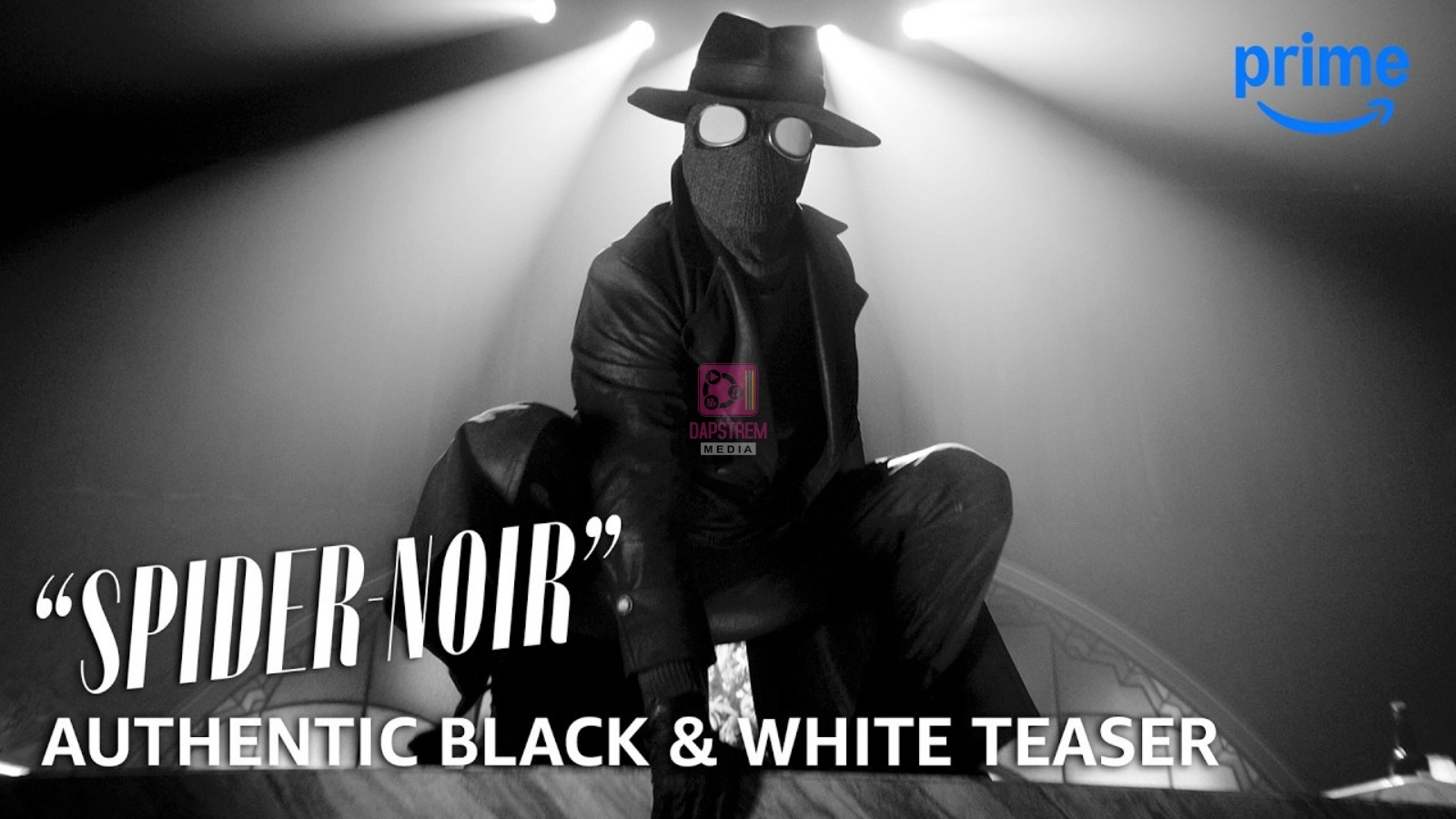
A Gritty Reimagining of Marvel’s Web-Slinger
For decades, Spider-Man has been portrayed as a wisecracking, optimistic hero swinging between New York skyscrapers in his iconic red-and-blue suit. But in 2026, Spider-Noir has transformed that familiar formula into something entirely different a dark, atmospheric crime drama set in Depression-era New York and led by Academy Award-winning actor Nicolas Cage.
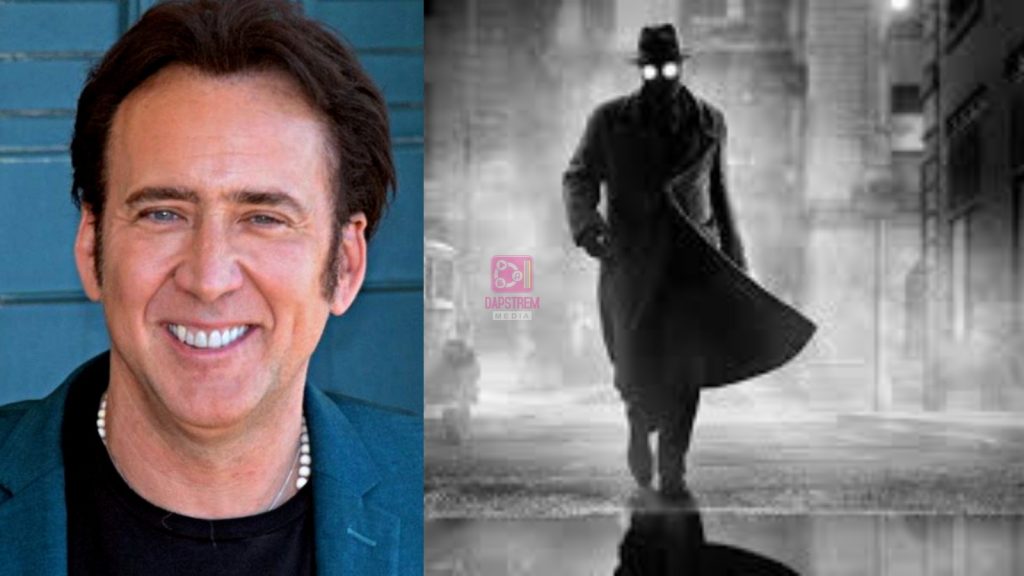
The live-action series, released on MGM+ and Prime Video, marks Cage’s first leading role in a television series. More importantly, it introduces mainstream audiences to one of the most unconventional versions of Spider-Man ever created. Instead of a young superhero balancing school and crime-fighting, Spider-Noir follows Ben Reilly, a weary private investigator haunted by his past and struggling to navigate a city consumed by corruption, crime, and moral ambiguity.
The series has quickly become one of the most talked-about superhero adaptations of 2026, earning praise for its bold visual style, mature storytelling, and commitment to the noir genre.
The Origins of Spider-Noir
The character traces its roots to Marvel Comics’ Spider-Man Noir, first introduced in 2009 by writers David Hine and Fabrice Sapolsky, alongside artist Carmine Di Giandomenico. The comic reimagined Spider-Man in an alternate universe inspired by the Great Depression of the 1930s.
Unlike the traditional Peter Parker, Spider-Man Noir emerged in a world filled with gangsters, political corruption, economic hardship, and social inequality. The character gained wider popularity after appearing in the animated hit Spider-Man: Into the Spider-Verse (2018), where Nicolas Cage voiced the black-and-white vigilante.
That performance became a fan favorite, with audiences embracing Cage’s dramatic delivery and old-school detective persona. Years later, the actor would return to the role in live action, helping bring the character to a broader audience.
Nicolas Cage Steps Into Television
One of the biggest attractions of Spider-Noir is Nicolas Cage himself.
Known for memorable performances in films such as Leaving Las Vegas, Face/Off, National Treasure, and Pig, Cage brings a unique intensity to Ben Reilly. Rather than portraying a flawless superhero, he plays a man burdened by regret, age, and the consequences of past decisions.
The series presents Reilly as a former hero who has largely abandoned his crime-fighting life. However, a dangerous investigation forces him back into the shadows, compelling him to confront both criminal forces and his own personal demons.
Critics have praised Cage’s performance for capturing the melancholy and complexity that define classic noir protagonists. His portrayal feels less like a conventional comic-book hero and more like a detective from a Raymond Chandler novel who happens to possess extraordinary abilities.
A Love Letter to Classic Film Noir
Perhaps the most distinctive aspect of Spider-Noir is its visual presentation.
The series is available in both color and black-and-white versions, an unusual approach in modern television. Producers designed the show to function authentically in both formats, with particular attention paid to lighting, costumes, architecture, and cinematography.
The black-and-white edition has received especially strong praise from viewers and critics. The monochrome visuals enhance the show’s moody atmosphere, evoking classic films such as The Maltese Falcon, Double Indemnity, and The Big Sleep.
Every frame is carefully constructed to reflect the aesthetics of 1930s cinema. Rain-soaked streets, smoky nightclubs, shadowy alleyways, and dimly lit offices create a world where danger lurks around every corner.
This commitment to visual storytelling sets Spider-Noir apart from the colorful spectacle that dominates modern superhero entertainment.
A Strong Supporting Cast
While Cage remains the centerpiece of the series, Spider-Noir benefits from a talented supporting cast.
Lamorne Morris portrays journalist Robbie Robertson, while Li Jun Li plays Cat Hardy, a nightclub singer and femme fatale whose loyalties remain uncertain throughout the story.
Brendan Gleeson appears as the ruthless crime boss Silvermane, bringing menace and gravitas to the role. Jack Huston joins the cast as Flint Marko, a noir-inspired interpretation of the classic Spider-Man villain Sandman.
Together, these characters help create a narrative that feels closer to a detective thriller than a traditional superhero adventure.
The show’s ensemble contributes significantly to its world-building, providing layers of intrigue, betrayal, and emotional depth.
Breaking Away From the Traditional Superhero Formula
For more than a decade, superhero television has largely followed a familiar pattern: interconnected universes, large-scale action sequences, and frequent references to broader franchises.
Spider-Noir takes a different path.
Rather than relying heavily on multiverse concepts or crossover appearances, the series focuses on character development, mystery, and atmosphere. The story unfolds through investigations, personal conflicts, and psychological struggles rather than constant battles and explosive set pieces.
This grounded approach has resonated with audiences seeking something fresh within the superhero genre.
The series demonstrates that comic-book adaptations can succeed without sacrificing complexity or artistic ambition. By blending elements of crime fiction, historical drama, and superhero mythology, Spider-Noir offers a unique viewing experience rarely seen in modern franchise storytelling.
Why Spider-Noir Matters
The success of Spider-Noir reflects a broader shift in audience expectations.
Viewers increasingly seek stories that challenge genre conventions and explore familiar characters through new perspectives. Rather than simply repeating established formulas, studios are discovering value in taking creative risks.
The series also highlights the versatility of the Spider-Man mythos. Over the years, audiences have embraced multiple versions of the character, from animated heroes and futuristic successors to alternate-universe variants.
Spider-Noir may be one of the most unconventional interpretations yet, but its popularity proves that there is room for innovation within one of the world’s most recognizable superhero franchises.
The Future of Spider-Noir
Although it is still early to determine the show’s long-term future, the positive reception suggests that Spider-Noir could become a significant addition to Sony and Marvel’s expanding catalogue of Spider-Man-related stories.
Its strong reviews, distinctive visual identity, and Nicolas Cage’s acclaimed performance have already generated discussions about future seasons and potential expansions of the noir universe.
Whether or not additional seasons are announced, Spider-Noir has already accomplished something remarkable: it has shown that superhero storytelling can be mature, artistic, and deeply atmospheric while remaining entertaining.
In a genre often dominated by spectacle, Spider-Noir proves that sometimes the most compelling heroes are the ones who operate in the shadows.