Uganda pledges Ebola treatment capacity for foreign nationals as proposed U.S. quarantine facility in Kenya draws scrutiny across East Africa
East Africa has emerged as a focal point of global health and diplomatic discussion after Uganda announced it is ready to host and treat American citizens exposed to Ebola virus disease, while parallel reports indicate that the United States is considering establishing a dedicated quarantine facility in Kenya for its citizens.
The developments come amid ongoing Ebola outbreaks in parts of the Great Lakes region, particularly in eastern Democratic Republic of Congo and cross-border areas of Uganda, where health authorities continue to intensify surveillance, vaccination, and containment efforts.
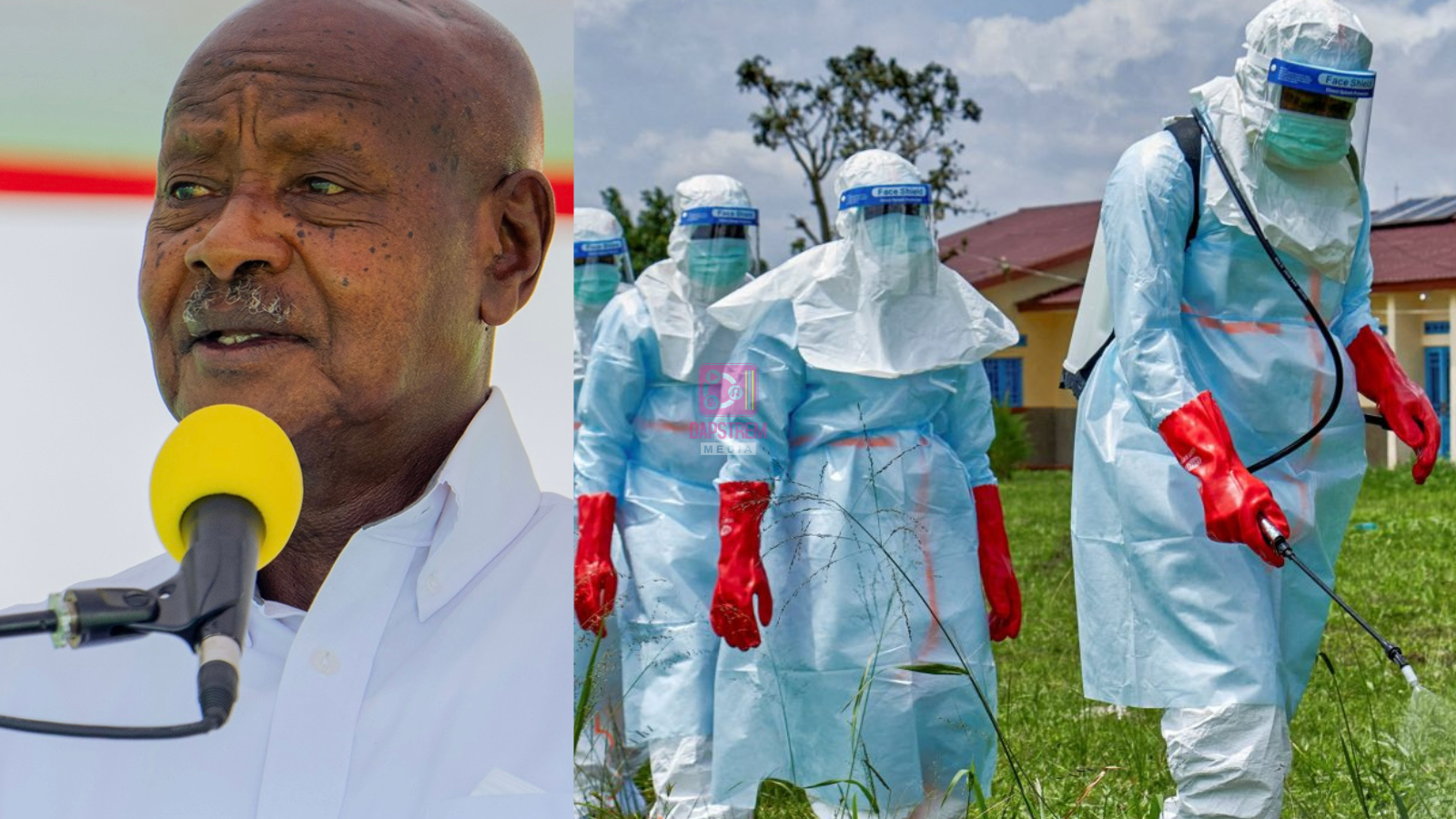
Uganda’s Ministry of Health stated that the country has sufficient expertise and infrastructure to manage Ebola cases, including those involving foreign nationals. Officials said Uganda’s experience in handling multiple Ebola outbreaks over the years has strengthened its response systems, which include isolation units, rapid response teams, and contact tracing networks.
The offer to accommodate American citizens exposed to Ebola has been described by analysts as both a humanitarian gesture and a reflection of Uganda’s growing confidence in its public health capacity.
At the same time, reports indicate that the United States is advancing plans to construct a temporary Ebola quarantine and treatment facility in Kenya. The proposal is believed to involve coordination with the United States Armed Forces and U.S. public health agencies, with the aim of managing exposed American citizens closer to outbreak zones rather than transporting them back to the United States.
According to sources familiar with the discussions, the proposed facility would include modular medical units designed for high-level isolation care, alongside trained medical personnel capable of managing highly infectious diseases such as Ebola virus disease.
The plan has triggered debate among health experts and policy observers, particularly regarding safety standards, oversight responsibilities, and the implications of hosting foreign quarantine infrastructure in a third country.
Kenya is reportedly being considered due to its strong transport infrastructure, regional connectivity, and established role in East African health coordination. However, any such arrangement would require approval from Kenyan authorities and adherence to strict national and international biosafety regulations.
Health officials in the region continue to emphasize that Ebola response efforts rely heavily on early detection, isolation of confirmed cases, contact tracing, safe burial practices, and vaccination campaigns where available. Uganda has previously demonstrated strong performance in outbreak containment, which supports its claim of readiness to manage new cases.
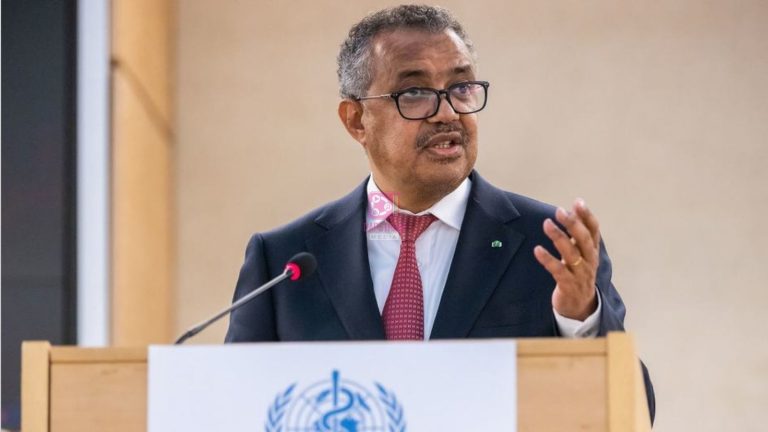
The World Health Organization continues to coordinate regional response efforts, supporting surveillance systems and providing technical guidance to affected countries. Officials stress that cross-border collaboration remains essential, particularly in regions where population movement is frequent and porous borders increase transmission risks.
Ebola virus disease remains one of the most severe infectious diseases globally, with a high fatality rate and transmission through direct contact with infected bodily fluids. While advances in treatment and vaccination have improved outcomes, outbreaks continue to pose significant challenges to health systems in affected regions.
The contrasting approaches—Uganda’s willingness to treat exposed foreign nationals locally and the United States’ reported plan to establish a dedicated facility in Kenya—highlight evolving strategies in global epidemic response. These strategies reflect a shift toward managing health emergencies closer to outbreak zones rather than relying solely on evacuation to home countries.
As discussions continue, no official agreement regarding the Kenya facility has been publicly confirmed, and both regional governments and international partners are expected to provide further clarification in the coming days.
For now, East Africa remains at the center of global attention as governments, health agencies, and international partners work to strengthen preparedness and response systems in the face of ongoing Ebola threats.