Nigeria’s President Tinubu to Run for Second Term After Landslide APC Primary Victory
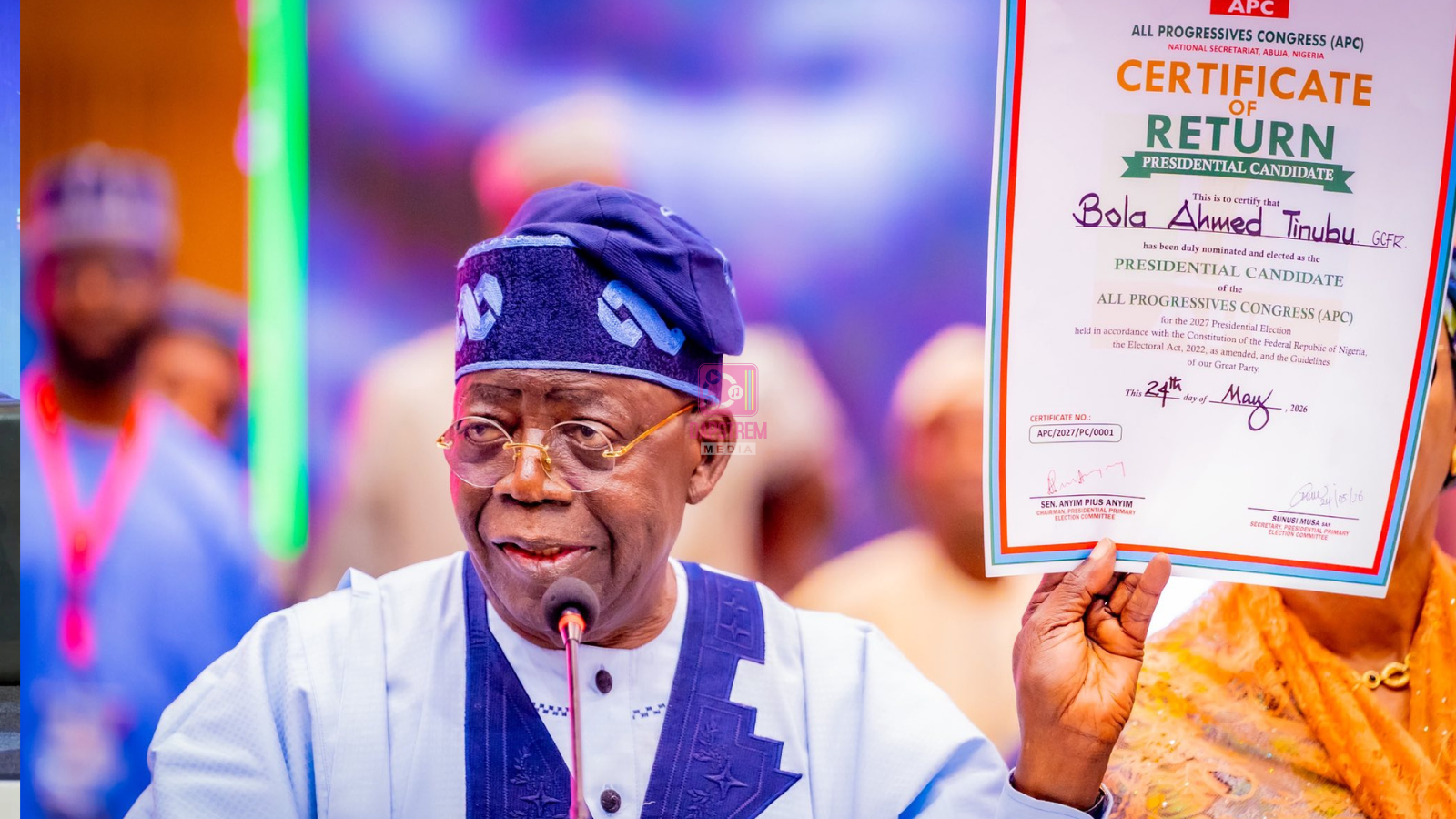
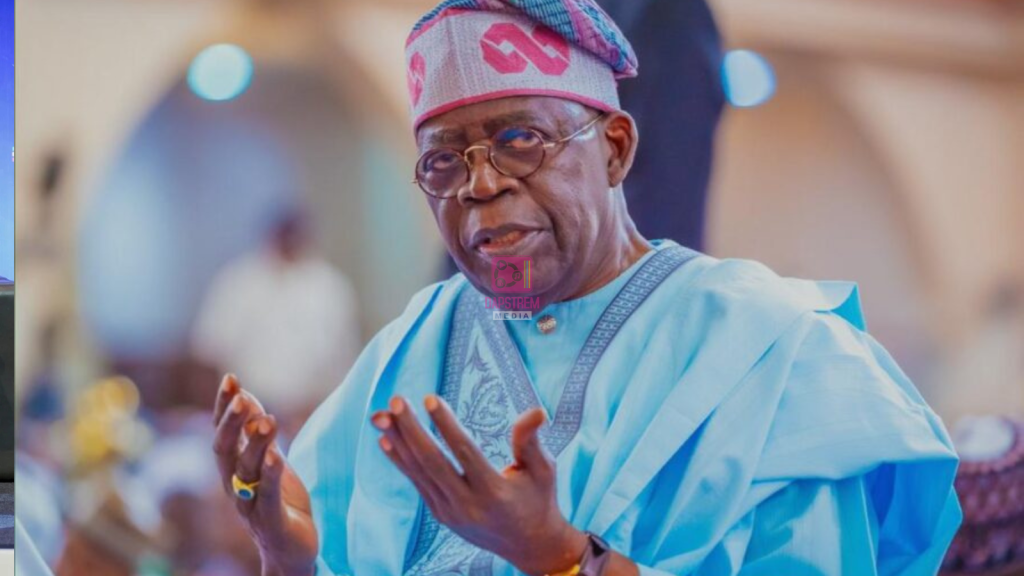
Nigeria’s political landscape has once again been set into motion after President Bola Ahmed Tinubu secured an overwhelming victory in the ruling All Progressives Congress (APC) presidential primaries, confirming his bid to run for a second and final four-year term in office. The results, announced on Sunday following the party’s internal elections held on Saturday, showed a landslide win for the incumbent president, who comfortably defeated a little-known challenger, Stanley Osifo.
According to official party results, Tinubu received nearly 11 million votes from delegates across the country, while his challenger managed just 16,500 votes in what turned out to be a highly one-sided contest. The outcome effectively clears the path for Tinubu to represent the APC once again in the upcoming presidential election scheduled for January, where he will be seeking to extend his leadership for another term.
The primaries, held under the banner of the ruling APC, attracted significant national attention not necessarily because of the competition, but due to the symbolic reaffirmation of support for Tinubu within his party structure. Stanley Osifo’s surprise emergence as a challenger was initially viewed as an attempt to test internal party democracy, but the scale of the results highlighted the overwhelming influence and political dominance of the sitting president within the party.
Tinubu, who assumed office in 2023 after winning a closely contested general election, has remained a central figure in Nigerian politics for decades. His rise to the presidency came after a hard-fought campaign against two major opposition candidates, both of whom later challenged the election results in court. Those legal challenges alleged irregularities and electoral malpractice, claims that Tinubu consistently rejected, maintaining that his victory was legitimate and reflective of the will of the Nigerian electorate.
Since taking office, Tinubu’s administration has focused on a series of economic reforms aimed at stabilizing Nigeria’s economy, addressing fuel subsidy policies, and attracting foreign investment. However, these policies have also sparked public debate and, in some cases, widespread economic pressure on citizens, particularly in relation to inflation and the cost of living.
Despite these challenges, Tinubu has maintained a strong political base within the APC, which was clearly reflected in the outcome of the primaries. The overwhelming margin of victory suggests that the party continues to rally behind his leadership as it prepares for the next general election cycle.
The emergence of Stanley Osifo as a challenger, while unexpected, added an interesting dynamic to the primaries. Osifo, who is relatively unknown in national politics, was widely viewed as an outsider candidate with limited political machinery or established support. His participation, however, was significant in the sense that it demonstrated the openness of the APC nomination process, at least in principle, allowing lesser-known figures to contest against an incumbent president.
Political analysts have described the result as a reaffirmation of Tinubu’s control over the APC political structure. The margin between the two candidates—nearly 11 million votes to 16,500—underscored the scale of his dominance and the loyalty he commands within the party. It also signals that, heading into the next general election, Tinubu is likely to run with unified backing from the ruling party’s machinery.
However, the road to the general election is expected to be far from straightforward. Nigeria continues to face a range of socio-economic challenges, including inflation, unemployment, insecurity in certain regions, and ongoing debates about economic reforms introduced by the current administration. These issues are likely to form the basis of opposition campaigns as rival parties prepare to challenge Tinubu’s bid for re-election.
Tinubu’s presidency, which began in 2023, was itself the subject of intense political scrutiny. His main rivals in that election contested the results in court, alleging irregularities and calling for annulment. Although the courts ultimately upheld his victory, the legal battles highlighted the deep political divisions within Nigeria’s democratic system.
Since then, Tinubu has consistently defended his administration’s legitimacy, emphasizing his commitment to national development and economic restructuring. His supporters argue that his policies are necessary long-term reforms aimed at strengthening Nigeria’s economic foundation, even if they come with short-term hardships.
The confirmation of his candidacy for a second term now sets the stage for another highly consequential election cycle in Africa’s most populous nation. The APC is expected to begin full campaign preparations in the coming months, focusing on consolidating its political base and promoting its achievements under Tinubu’s leadership.
For many Nigerians, the upcoming election represents a critical moment in determining the country’s political and economic direction. With Tinubu now officially positioned as the party’s flag bearer once again, attention will shift to how opposition parties organize their campaigns and whether they can mount a strong challenge against an incumbent with significant institutional backing.
As the political atmosphere builds toward January, Nigeria once again finds itself at a crossroads, with continuity and change emerging as the central themes of the national debate. Tinubu’s landslide primary victory has not only solidified his position within the APC but also set the tone for what is expected to be one of the most closely watched elections in the country’s recent history.