Senegal enters political shock as President Faye dissolves government following fallout with Prime Minister Sonko
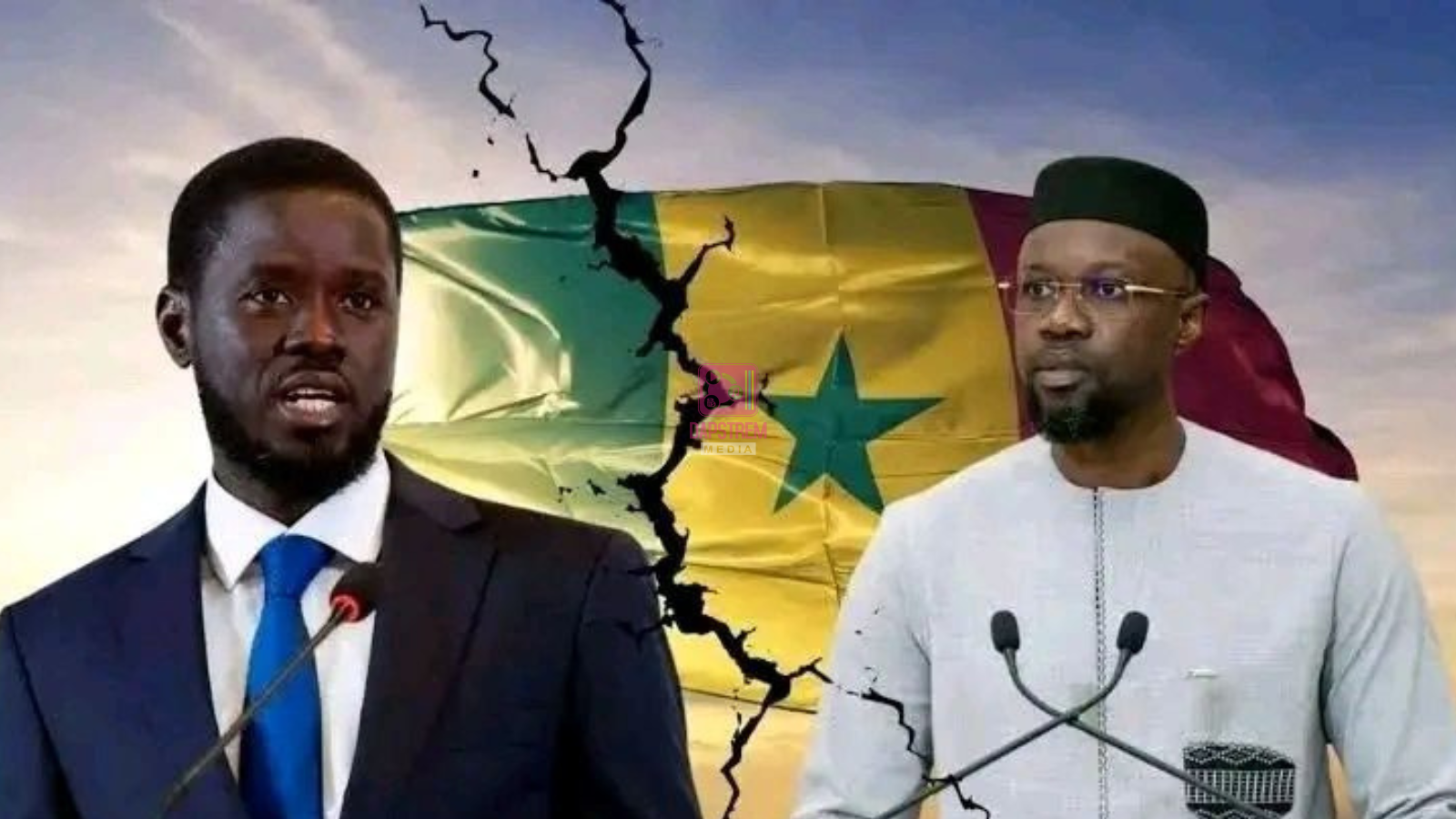
Political developments in Senegal took a dramatic and defining turn on May 22, 2026, after President Bassirou Diomaye Faye officially dissolved the government and dismissed Prime Minister Ousmane Sonko, marking one of the most significant political shake-ups in the country’s recent democratic history.
The announcement was made through a formal statement broadcast on national television, read by presidential aide Oumar Samba Ba. In the statement, it was confirmed that President Faye had ended Sonko’s duties as Prime Minister with immediate effect. The decree also dissolved the entire cabinet, including all ministers and secretaries of state, effectively bringing the existing government structure to an abrupt end. The presidency later reinforced the decision through the office of the secretary-general, confirming its full implementation.
This decision has sent shockwaves across Senegal and the wider West African political landscape, not only because of its scale but also due to the close political relationship that once existed between the two leaders. President Faye and Ousmane Sonko had been viewed as one of the most powerful political alliances in modern Senegalese politics, rising to power on a wave of public support, reformist promises, and strong grassroots mobilization.
Their partnership was instrumental in the 2024 presidential election, where Bassirou Diomaye Faye secured a historic victory. Sonko, despite being barred from contesting due to a defamation conviction, played a central role in shaping the political momentum that carried Faye to power. His influence, particularly among young voters, was widely credited as a decisive factor in the electoral outcome.
When Faye assumed office in March 2024, expectations were extremely high. Many Senegalese citizens believed the alliance between Faye and Sonko represented a new political era defined by reform, accountability, and a break from the old political establishment. Sonko’s appointment as Prime Minister further strengthened this perception, symbolizing unity between the presidency and the government.
However, as the administration settled into power, signs of tension began to emerge behind the scenes. By late 2024 and into 2025, reports of disagreements between the presidency and the Prime Minister’s office became increasingly difficult to ignore. While both leaders publicly maintained a united front, political observers noted growing differences in decision-making approaches, governance style, and control over key state functions.
These tensions gradually fueled speculation about the stability of the ruling partnership. What had initially been seen as a seamless political alliance began to show cracks, raising questions about whether the two leaders could maintain a shared vision while managing the complexities of state power.
The situation ultimately reached a breaking point on May 22, 2026, when President Faye issued the decree dissolving the government and relieving Ousmane Sonko of his duties as Prime Minister. The announcement marked a complete restructuring of the executive branch and signaled the end of the existing cabinet.
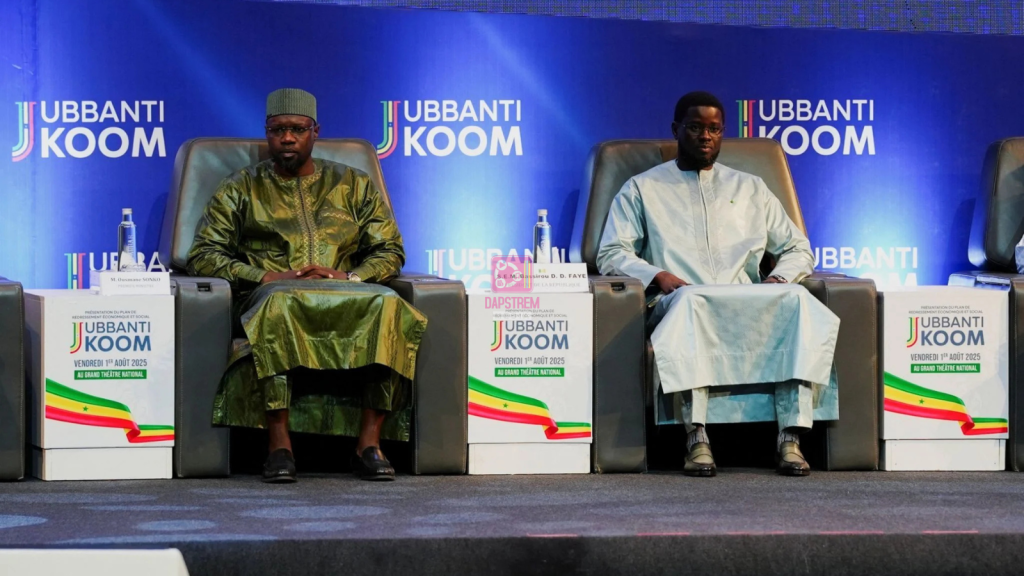
According to the presidential statement, the dissolution extended to all ministers and secretaries of state, effectively resetting the government and placing executive authority firmly under the presidency as preparations begin for the formation of a new cabinet.
The decision was immediately confirmed through the presidency’s secretary-general’s office, underscoring its official and irreversible nature. The announcement, delivered in a calm but decisive tone, marked one of the most consequential political decisions of Faye’s presidency so far.
Public reaction across Senegal has been deeply divided. Supporters of President Faye argue that the move reflects strong leadership and the need to resolve internal government tensions that had reportedly been affecting efficiency and cohesion. They view the dissolution as a strategic reset designed to strengthen governance and restore stability within the executive arm of government.
However, critics see the decision as a dramatic rupture in the political alliance that brought the current administration to power. Many argue that the fallout between Faye and Sonko represents more than a political disagreement—it signals a deeper fracture within the leadership structure that once inspired widespread hope for reform and unity.
Ousmane Sonko, once one of Senegal’s most influential political figures and a dominant voice among the youth, now finds himself at a critical turning point. From being the driving force behind a successful presidential campaign to being removed from government leadership, his political journey reflects both the intensity and unpredictability of Senegalese politics.
For President Bassirou Diomaye Faye, the dissolution marks the beginning of a new phase in leadership. He now faces the challenge of appointing a new government, restoring confidence, and ensuring continuity in national governance while navigating the political aftermath of his split with Sonko.
Political analysts suggest that the coming weeks will be crucial in determining Senegal’s political direction. The formation of a new cabinet will not only define the next stage of Faye’s presidency but also determine whether the ruling coalition can maintain unity or whether deeper political divisions will emerge.
What is clear is that the once-celebrated partnership between Bassirou Diomaye Faye and Ousmane Sonko has undergone a historic transformation. From electoral triumph in 2024 to full government dissolution on May 22, 2026, their alliance has shifted from a symbol of unity and hope to one of the most significant political breakups in Senegal’s modern history.
As Senegal moves forward, the nation now stands at a political crossroads, with citizens closely watching how President Faye reshapes his administration and whether this dramatic turning point will lead to renewed stability or usher in a more uncertain political era.