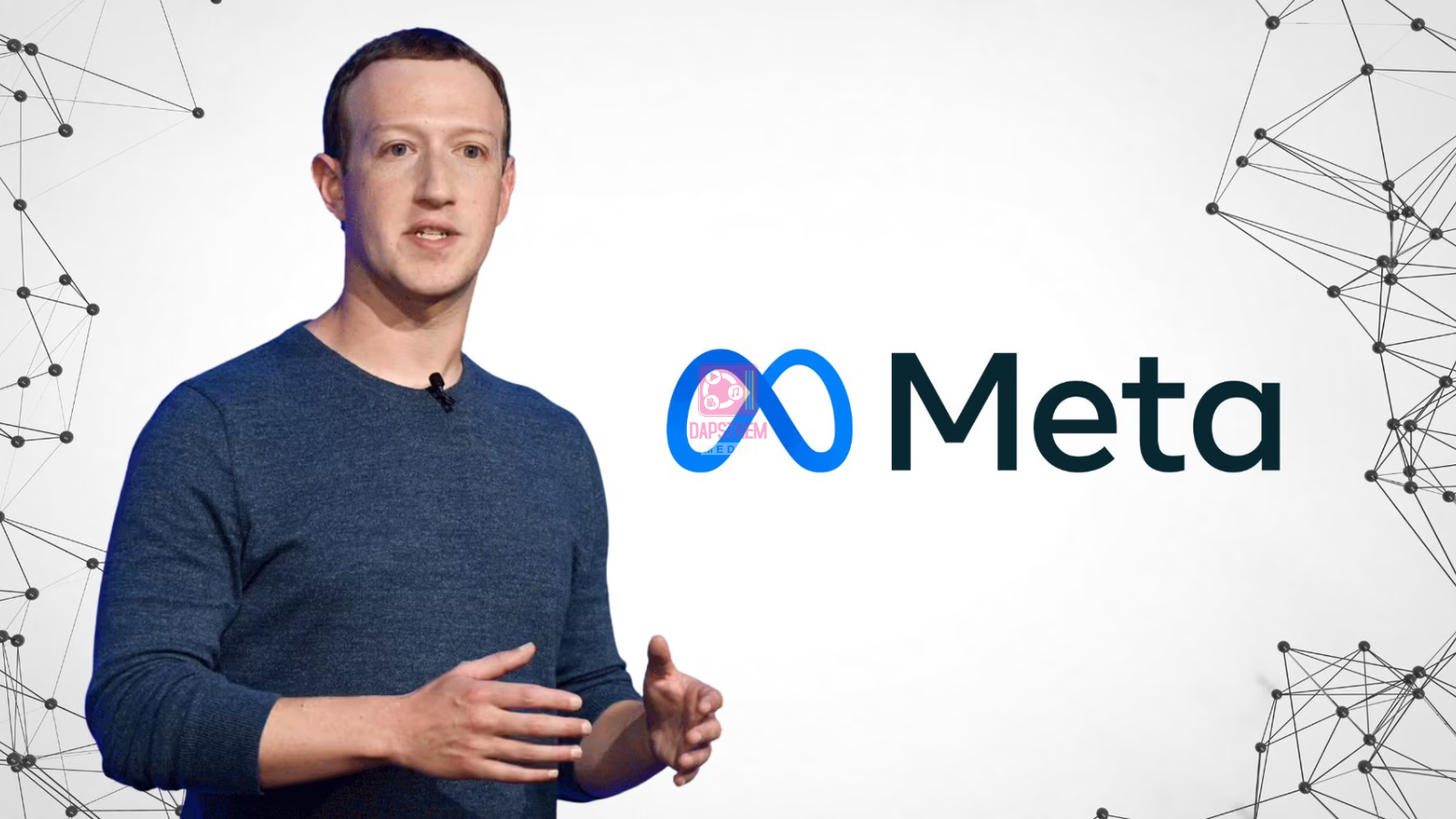
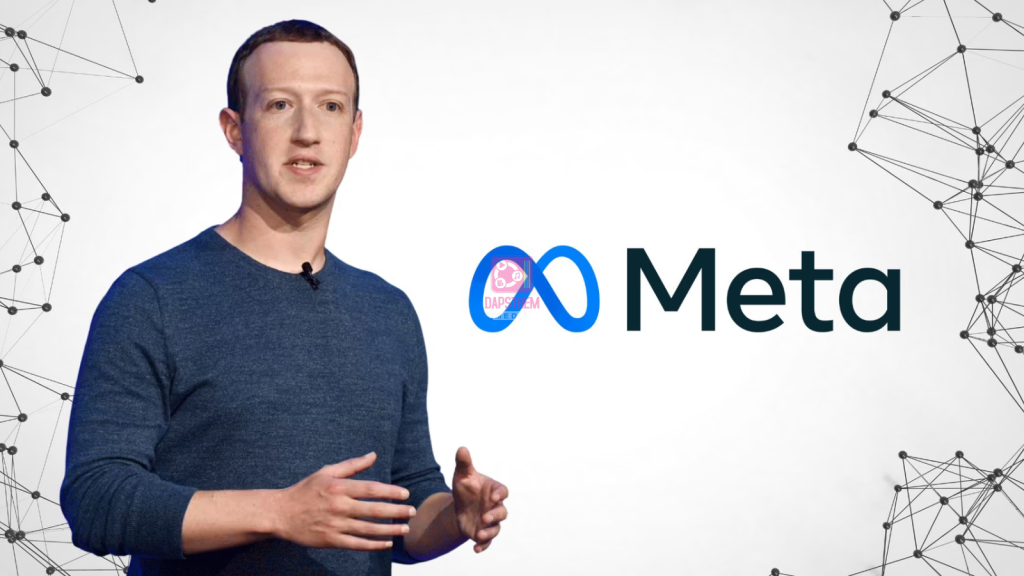
Mark Zuckerberg believes the next major shift in computing is already taking shape and within five years, he expects billions of people to have their own personal artificial-intelligence agents working for them around the clock.
The Meta founder and chief executive made the prediction during the company’s second-quarter 2026 earnings call on July 29, describing personal AI agents as a potentially enormous new market for the technology industry.
Zuckerberg said he considered it “extremely unlikely” that, five years from now, billions of people would not have a personal agent capable of understanding their goals and working continuously on their behalf. He envisioned these systems assisting with areas ranging from health and personal finances to productivity, careers, relationships, hobbies and managing the home.
The prediction is ambitious. But unlike some of the more distant promises surrounding artificial intelligence, Meta is already developing and deploying technology that resembles the personal-agent future Zuckerberg describes.
From chatbots to agents
The distinction between an AI chatbot and an AI agent is central to Zuckerberg’s vision.
A conventional chatbot generally waits for a user to ask a question before producing an answer. An AI agent is designed to go further: it can understand an objective, break it into tasks, use software and online services, and carry out actions with varying degrees of independence.
Meta’s recently launched Muse illustrates the company’s approach.
According to Meta, Muse can do more than answer questions. It can take tasks and projects off a user’s hands, develop plans around long-term goals and continue working after the user closes the application. The system can browse the web, fill in forms and, with appropriate permissions, carry out tasks such as sending emails or booking travel.
That represents an important change in the way people could interact with computers.
Instead of opening several applications and completing a series of steps themselves, a person could potentially describe the desired outcome and allow an agent to coordinate the process.
Meta has already begun building the infrastructure
Meta’s push into agents is not limited to consumer products.
In June, the company introduced Meta Business Agent, designed to help businesses interact with customers through WhatsApp, Messenger and Instagram.
Meta said at the time that more than one million businesses were already using a Meta Business Agent on WhatsApp and Messenger. The system can answer customer questions, recommend products, book appointments, qualify leads and help close sales.
The company has therefore been testing the agent model in commercial environments while developing its consumer-facing technology.
On September 28, Meta also announced the Meta Enterprise Platform, a new business focused on bringing its AI models and agents to companies and developers. The platform includes technologies such as Muse, Meta Business Agent, Muse API and Muse Code.
Taken together, those developments show that Zuckerberg’s prediction is part of a broader corporate strategy rather than an isolated comment.
Muse brings the prediction closer to reality
Meta introduced Muse publicly in September as what it described as a personal AI agent designed for broad consumer use.
The company says Muse can remember information that matters to its user and use that information to make suggestions or take actions. For example, Meta says it could turn a recipe a user saved on Instagram into a grocery list or remember dietary restrictions when helping organise a dinner.
The system is also designed to operate across applications. Meta says users can connect selected services and decide how much access the agent receives.
An assistant that can only answer questions is fundamentally different from one that can actually perform tasks. Zuckerberg’s five-year prediction depends on the latter becoming sufficiently capable, reliable and trusted for mass adoption.
The trust problem
That last point may be the biggest challenge.
A personal agent that helps with a shopping list presents relatively little risk. An agent that can access someone’s email, financial information, calendar, health information or home systems is a different proposition.
Meta says it has designed Muse with this problem in mind.
The company says users decide which applications the agent can access and what it is allowed to do. Muse is designed to request approval before sensitive actions such as sending an email or making a purchase, while providing an audit trail of what it has done and what it intends to do.
Meta also says Muse’s credentials are stored separately so the agent does not see passwords or payment information directly. The company has announced plans for a confidential version in which the user’s data and conversations would be encrypted with a key held only by the user.
These safeguards will matter if personal agents are to become as common as smartphones or messaging applications.
The scale of Zuckerberg’s prediction
Zuckerberg is not predicting that a few million technology enthusiasts will use personal agents.
He is talking about billions of people.
That is a particularly ambitious target because the technology would need to work for people with different languages, cultures, levels of technical knowledge and access to digital services.
Meta has one major advantage in pursuing that scale: its existing global user base.
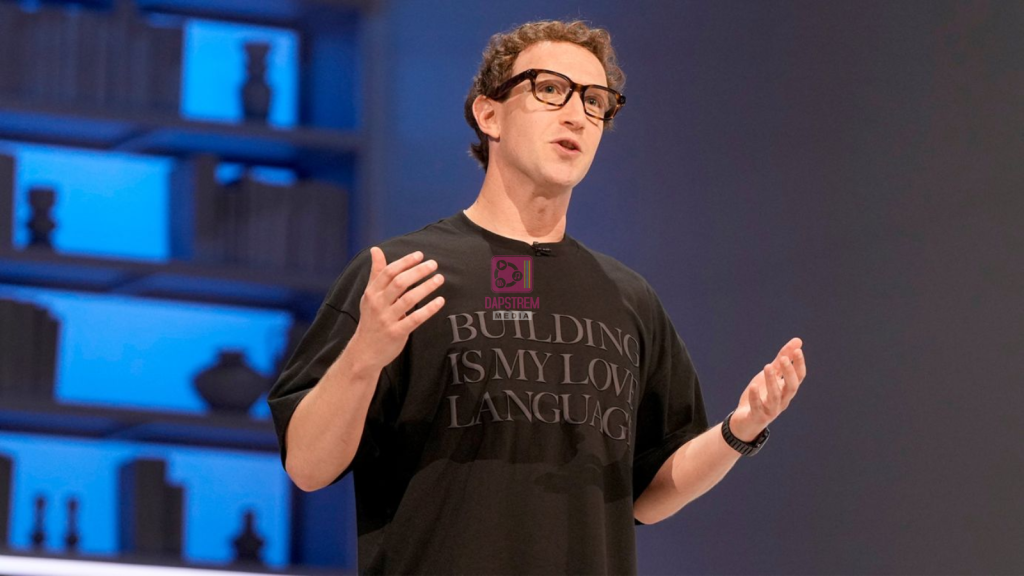
The company reported an average of 3.60 billion daily active people across its family of applications in June 2026. Revenue for the second quarter reached $60.8 billion, up 28% from the previous year.
Meta therefore has a distribution network capable of putting AI tools in front of billions of users.
WhatsApp could be particularly important because it is already a major communication platform in many parts of the world.
At its September 2026 Connect event, Meta said it was bringing Muse to its AI glasses, allowing people to interact with their personal agent hands-free. The company said it was building a family of devices that would allow people to connect with their agents from different parts of their daily lives.
The enormous cost behind the vision
There is, however, another side to the story: personal AI agents require enormous computing resources.
Meta is spending heavily to build the infrastructure required to develop and operate advanced AI systems.
The company’s second-quarter financial results showed capital expenditures of $31.08 billion for the three months ending June 30. Meta subsequently projected full-year 2026 capital expenditure of between $130 billion and $145 billion.
The spending has already had a significant effect on the company’s cash flow. Meta reported just $784 million in free cash flow in the second quarter, compared with $8.55 billion during the same quarter a year earlier.
At the same time, Meta’s quarterly revenue increased substantially, showing that the company continues to generate large amounts of money from its existing advertising business while investing heavily in AI.
For Zuckerberg, the calculation is that AI and eventually personal agents can become a major source of future products and revenue.
A new kind of personal assistant
If Zuckerberg’s prediction becomes reality, the change could be larger than simply replacing today’s digital assistants.
A personal agent could become a kind of permanent digital intermediary between a person and the internet.
Imagine telling an agent that you want to organise a holiday. Instead of searching flights, comparing hotels, checking calendars and making reservations yourself, the agent could potentially perform those tasks according to your preferences and budget.
The same principle could apply to work.
An agent could organise meetings, summarise correspondence, prepare documents, conduct research and manage routine administrative tasks.
At home, it could coordinate shopping, bills and household schedules.
Meta’s own description of its long-term vision extends even further, arguing that personal AI could assist with health, finances, careers, relationships, hobbies and home management.
What happens to jobs?
The rise of personal agents also raises difficult questions about employment.
If AI systems become capable of completing increasingly sophisticated tasks, some activities currently performed by humans could become automated.
Zuckerberg has argued that this does not necessarily mean a future without work. Meta’s broader position is that increasingly capable AI could allow individuals and small teams to accomplish more and create new businesses and forms of work.
In its August 2026 statement on the future of AI, Meta argued that personal superintelligence could help individuals develop new businesses, learn skills and create products and experiences that would previously have required much larger teams
That is a vision rather than an established outcome. The eventual effect on employment will depend on how quickly the technology develops, how companies deploy it, what new industries emerge and how governments and societies respond.
Privacy could determine whether people adopt agents
There is another fundamental question: How much of their lives will people be willing to hand over to an AI system?
For an agent to be genuinely personal, it needs information about its user.
The more useful the system becomes, the more information it may need messages, schedules, preferences, purchases, work habits, relationships and other personal details.
That creates a tension between convenience and privacy.
Meta says it is addressing this through permission controls, secure computing environments and privacy features. But the wider AI industry will face the same challenge: convincing people that autonomous systems can be trusted with increasingly sensitive information.
A personal agent that makes a mistake while recommending a restaurant is one thing. An agent that sends an inappropriate email, makes an expensive purchase or mishandles sensitive personal information is another.
Zuckerberg’s five-year bet
Zuckerberg’s prediction is ultimately both a technological forecast and a business strategy.
Meta is investing enormous sums in computing infrastructure, developing its own AI models, building consumer agents such as Muse, expanding business agents and putting AI into devices such as smart glasses.
The company is also betting that its existing platforms particularly WhatsApp, Instagram and Messenger can become gateways through which billions of people interact with AI.
The scale of that ambition is difficult to miss.
Meta’s stated goal is not merely to create another chatbot. It wants AI agents to become a new layer of personal computing systems that understand what people want and take action on their behalf.
Whether billions of people will actually use such agents within five years remains Zuckerberg’s prediction, not a settled fact.