
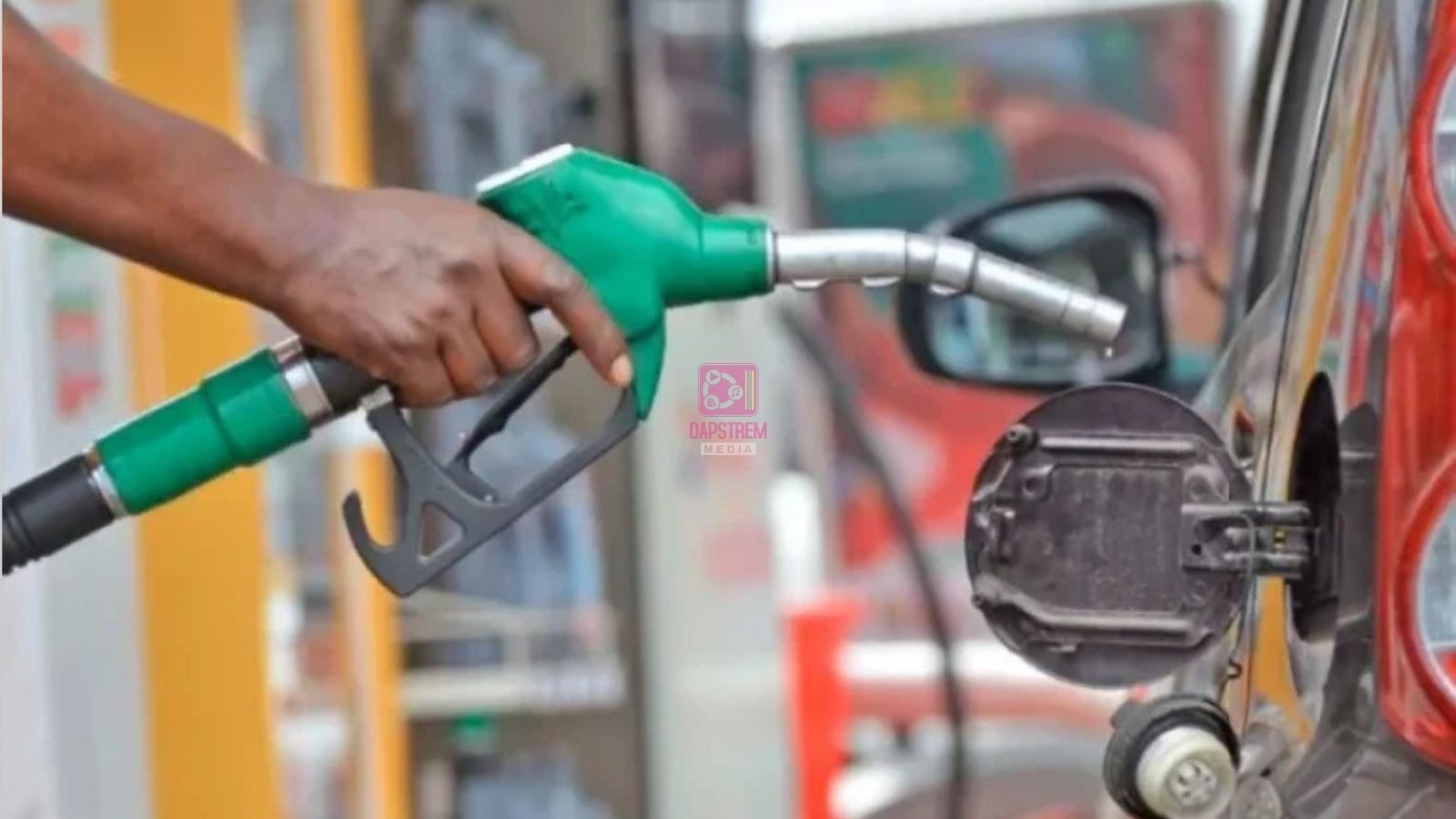
EPRA Keeps Fuel Prices Unchanged for Another Month Despite Sharp Rise in Diesel and Kerosene Import Costs
The Energy and Petroleum Regulatory Authority (EPRA) has maintained Kenya’s fuel prices for another month, giving motorists, transport operators and households a temporary reprieve despite a sharp increase in the landed cost of imported diesel and kerosene.
In its latest monthly review announced on Monday, September 14, EPRA said the maximum retail prices of Super Petrol, Diesel and Kerosene would remain unchanged for the period running from September 15, 2026, to October 14, 2026.
The decision means motorists in Nairobi will continue paying a maximum of KSh214.03 per litre for Super Petrol, KSh217.86 for Diesel and KSh191.38 for Kerosene.
In Mombasa, the prices will remain lower because of the city’s proximity to the country’s main petroleum import terminal. Super Petrol will retail at KSh210.87 per litre, Diesel at KSh214.58 and Kerosene at KSh188.09.
The unchanged prices come despite significant movements in the cost of importing petroleum products into the country. According to the latest figures accompanying the review, the landed cost of Diesel increased by 11.86 per cent, while that of Kerosene rose by 9.71 per cent. At the same time, the landed cost of Super Petrol declined by 7.87 per cent.
The decision is therefore likely to attract attention because fuel prices in Kenya are normally closely linked to movements in international petroleum prices and the cost of bringing petroleum products into the country.
For millions of Kenyans, however, the immediate message is simple: there will be no change at the pump for the next 30 days.
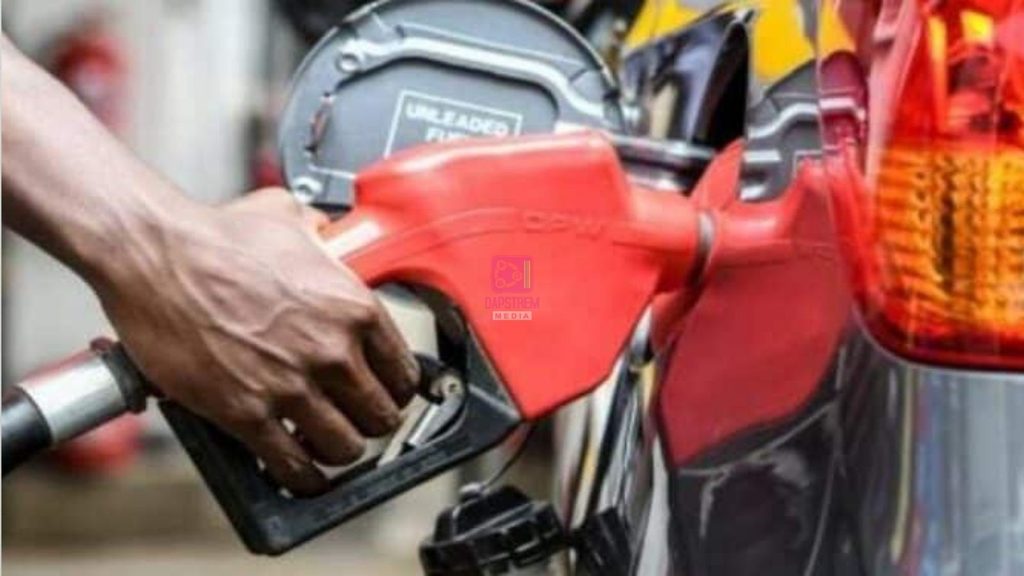
Motorists who have been paying KSh214.03 for a litre of petrol in Nairobi will continue paying the same amount. Diesel users will continue paying KSh217.86 per litre, while households and businesses that rely on kerosene will continue paying KSh191.38 per litre.
The stability will provide some relief to consumers at a time when the cost of living remains a major concern.
Fuel prices have a significant influence on the wider economy because petroleum products are used not only by private motorists but also by matatus, buses, trucks, farmers, manufacturers, construction companies, retailers and other businesses.
Diesel is particularly important because it powers a large part of Kenya’s commercial transport and industrial activity.
A significant increase in diesel prices can quickly raise the cost of transporting goods from ports and farms to markets.
Those higher costs can eventually be passed on to consumers through increased prices of food, manufactured goods and other essential commodities.
The latest EPRA decision therefore shields consumers from an immediate increase even as international and import-related pressures remain.
The regulator’s pricing system is designed to capture changes in petroleum costs on a monthly basis.
EPRA calculates maximum wholesale and retail prices for Super Petrol, Diesel and Kerosene under the Energy (Petroleum Pricing) Regulations, 2022. The formula takes into account the landed cost of imported petroleum products as well as transportation, margins, taxes, VAT and other approved costs.
This means that a change in the international cost of petroleum does not necessarily translate into an identical change at the pump.
The final price is determined after several components are taken into account.
The latest decision demonstrates this complexity.
Although the landed cost of Diesel increased by 11.86 per cent and Kerosene rose by 9.71 per cent, EPRA did not pass those increases directly to consumers.
At the same time, the fall in the landed cost of Super Petrol did not result in a reduction at the pump.
This has left all three major petroleum products at the same maximum retail prices for another month.
The latest decision also comes after several months of government intervention in the fuel market.
Earlier in the year, the government used stabilisation measures to cushion consumers from major movements in global petroleum prices.
In the August review, EPRA said additional government stabilisation support worth KSh938 million had helped keep petrol and kerosene prices unchanged while diesel was reduced by KSh5 per litre.
For the August-September cycle, Nairobi motorists paid KSh214.03 for petrol, KSh217.86 for diesel and KSh191.38 for kerosene.
The latest decision extends that period of relative stability.
However, the stability does not mean the pressures facing Kenya’s petroleum market have disappeared.
International oil prices have remained volatile, with geopolitical developments continuing to influence global energy markets.
Earlier in September, Murban crude oil prices rose sharply, increasing from about US$81.78 per barrel on August 27 to US$86.01 per barrel on September 3. The increase was linked to heightened geopolitical concerns and fears of disruptions to global oil supplies.
Such movements matter to Kenya because the country relies heavily on imported petroleum products.
When global oil prices increase, importers require more money to purchase the same quantity of fuel.
The impact can become even greater if the Kenyan shilling weakens against the US dollar because petroleum imports are largely priced in dollars.
For this reason, the international oil market remains one of the biggest external factors affecting the cost of living in Kenya.
The latest EPRA decision therefore gives consumers a month of certainty, but it does not eliminate the possibility of future adjustments.
If global petroleum prices remain elevated and import costs continue rising, those pressures could eventually appear in subsequent monthly reviews.
The opposite is also possible.
If international oil prices decline, the cost of importing petroleum products could fall, creating room for lower prices depending on the other components of the pricing formula.
This means motorists will continue watching EPRA’s monthly announcements closely.
The September-October decision is also significant for public transport operators.
Matatu and bus operators depend heavily on fuel, particularly diesel, and changes in fuel prices can have a direct impact on their operating expenses.
When diesel prices rise sharply, operators often face difficult decisions about whether to absorb the additional cost, reduce their margins or increase fares.
For passengers, higher fares can have a significant impact on household budgets.
Workers who commute daily spend a considerable portion of their income on transport, meaning even a relatively small increase in fares can affect their disposable income.
The decision to maintain fuel prices could therefore help transport operators maintain current fare levels, although fares are influenced by other factors including maintenance costs, insurance, spare parts and demand.
The stability is equally important for the logistics industry.
Trucks transporting goods across Kenya consume large quantities of diesel.
An increase in fuel costs can raise the price of moving goods from Mombasa to Nairobi, western Kenya, the Rift Valley and other parts of the country.
Those costs can eventually reach consumers.
For farmers, fuel prices are also important.
Agricultural machinery, irrigation equipment, tractors and transportation systems depend on petroleum products.
Farmers who produce food for urban markets also have to transport their produce, sometimes over long distances.
Keeping fuel prices stable can therefore help prevent another layer of cost from being added to food production and distribution.
The manufacturing sector also stands to benefit from the unchanged prices.
Factories depend on petroleum products directly and indirectly through transportation and logistics.
Companies importing raw materials through the Port of Mombasa need fuel to move goods inland, while manufacturers transporting finished products to distributors and retailers also depend heavily on diesel-powered trucks.
A stable fuel environment allows businesses to plan their costs more easily.
The same applies to small businesses.
From shops that depend on deliveries to restaurants that receive food supplies, many enterprises are indirectly affected by fuel prices.
When fuel rises, businesses often face increased transportation and operating expenses.
Some pass the cost to customers while others absorb it and accept lower profits.
Maintaining the current fuel prices therefore provides a measure of stability across the economy.
However, the cost of fuel is only one component of the final price paid by consumers.
Taxes and levies remain a major part of the pump price.
Under the latest figures, taxes on Super Petrol, Diesel and Kerosene stood at KSh73.86, KSh64.07 and KSh50.41 per litre respectively. The final price also incorporates distribution and storage costs, retail and wholesale margins and stabilisation measures where applicable.
This means that changes in the international price of petroleum do not translate one-for-one into the amount motorists pay.
The tax component can significantly influence the final pump price.
The government has previously used tax and stabilisation measures to protect consumers from severe fluctuations in international oil prices.
But such interventions also come with a cost to public finances.
When the government subsidises or stabilises fuel prices, it may have to allocate public resources to cover part of the difference between the market cost and the regulated consumer price.
That creates a delicate balancing act.
On one side is the need to protect households and businesses from sudden increases in the cost of fuel.
On the other is the need to protect public finances and avoid creating an unsustainable subsidy burden.
Kenya has experienced both sides of this challenge in recent years.
At times, international oil prices have risen sharply, creating pressure for higher pump prices.
At other times, global prices have fallen, creating an opportunity for consumers to benefit from lower import costs.
The government and EPRA must therefore balance consumer protection with the sustainability of the pricing system.
The latest decision also highlights why the monthly EPRA review remains closely followed by Kenyans.
The announcement is made every month, and even a small change can have consequences across the economy.
For many households, the price of fuel affects much more than the cost of filling a vehicle.
It can influence transport fares, food prices, school transport costs, delivery charges and the operating expenses of businesses.
This is particularly important for low-income households.
A family with a fixed monthly income has limited ability to absorb increases in transport and food costs.
When fuel prices rise, households may have to reduce spending elsewhere.
That is why fuel price stability can provide important short-term relief even when underlying international market pressures remain.
The latest decision is also likely to be welcomed by the transport and business sectors, which have been seeking greater predictability in operating costs.
Businesses can plan more effectively when they know that the maximum retail price will remain unchanged for the next month.
However, consumers should also understand that EPRA’s prices are maximum retail prices.
They are not necessarily the price charged at every filling station.
Prices can vary depending on location, transport costs, competition and other factors.
EPRA’s official price schedule lists different maximum prices for different towns across Kenya.
For example, prices in remote areas are generally higher because of the additional costs involved in transporting and distributing petroleum products.
This explains why motorists in Nairobi and Mombasa may pay less than consumers in some northern or remote parts of the country.
In areas such as Wajir, Lodwar and other distant locations, the cost of moving fuel from major storage facilities can add significantly to the final retail price.
The latest decision therefore does not mean every Kenyan will pay exactly the same amount for fuel.
Instead, it means the maximum prices applicable in each regulated location will remain unchanged during the new pricing cycle.
For Nairobi, the headline figures remain KSh214.03 for petrol, KSh217.86 for diesel and KSh191.38 for kerosene.
For Mombasa, the respective prices are KSh210.87, KSh214.58 and KSh188.09.
The new prices take effect from midnight on September 15 and will remain in force until October 14, 2026.
That gives consumers another month of price certainty.
But the next review could bring a different outcome depending on how international petroleum markets behave.
If global oil prices continue climbing, Kenya could face increased import costs.
If the Kenyan shilling comes under pressure against the dollar, the situation could become more difficult.
If international prices fall, however, the pressure could ease.
For now, consumers can only wait for the next round of calculations.
The current decision also comes at a time when international energy markets are being watched closely because of geopolitical tensions and concerns about global supply disruptions.
Oil markets are highly sensitive to developments in major producing regions.
Even an announcement about possible disruptions can cause traders to adjust prices before an actual shortage occurs.
Kenya, as an oil-importing country, remains exposed to these external movements.
This is why the long-term conversation around energy security remains important.
Kenya has domestic geothermal, wind and solar resources that have helped diversify its electricity generation mix, but the transport sector continues to depend heavily on petroleum products.
Reducing dependence on imported petroleum for transport could therefore offer significant long-term benefits.
The growth of electric mobility, public transport improvements and alternative fuels could gradually reduce the country’s exposure to international oil shocks.
However, such changes take time and require investment in infrastructure.
For the immediate future, petroleum products will remain central to Kenya’s economy.
The September decision by EPRA therefore provides short-term relief rather than a permanent solution to the country’s exposure to international oil prices.
For motorists, the most important development is that there will be no increase at the pump for another month.
For businesses, the decision provides some stability in transportation and operating costs.
For households, it reduces the immediate risk of higher commuting and delivery expenses.
But for policymakers, the challenge is more complicated.
They must continue monitoring global oil markets, manage the country’s import bill and balance consumer protection with the cost of fuel stabilisation.
They must also ensure that the petroleum pricing formula remains transparent and that consumers can understand why prices rise or fall from one month to another.
The latest review demonstrates why transparency remains essential.
The fact that diesel and kerosene import costs rose sharply while pump prices remained unchanged means that other components of the pricing structure absorbed or offset some of that pressure.
Consumers therefore need clear information about how those adjustments are made.
EPRA’s monthly formula provides the framework, but the public debate around fuel prices shows that many Kenyans remain interested in understanding exactly where every shilling paid at the pump goes.
That conversation is likely to continue as the country approaches another month of potentially volatile international oil markets.
For now, however, motorists have one piece of certainty.
The prices at the pump will remain unchanged from September 15 to October 14.
In Nairobi, petrol remains at KSh214.03 per litre, diesel at KSh217.86 and kerosene at KSh191.38.
The decision gives Kenyans a temporary break from higher fuel costs even as the underlying import market remains under pressure.
Whether that stability can continue into the next pricing cycle will depend largely on what happens in international oil markets, movements in the exchange rate, petroleum import costs and the government’s ability to cushion consumers from further shocks.
For the next 30 days, at least, motorists and businesses can plan around the same maximum pump prices.
But with diesel and kerosene import costs already recording significant increases, attention will quickly turn to the next EPRA review and whether the regulator will once again be able to shield consumers from the full impact of higher petroleum costs.