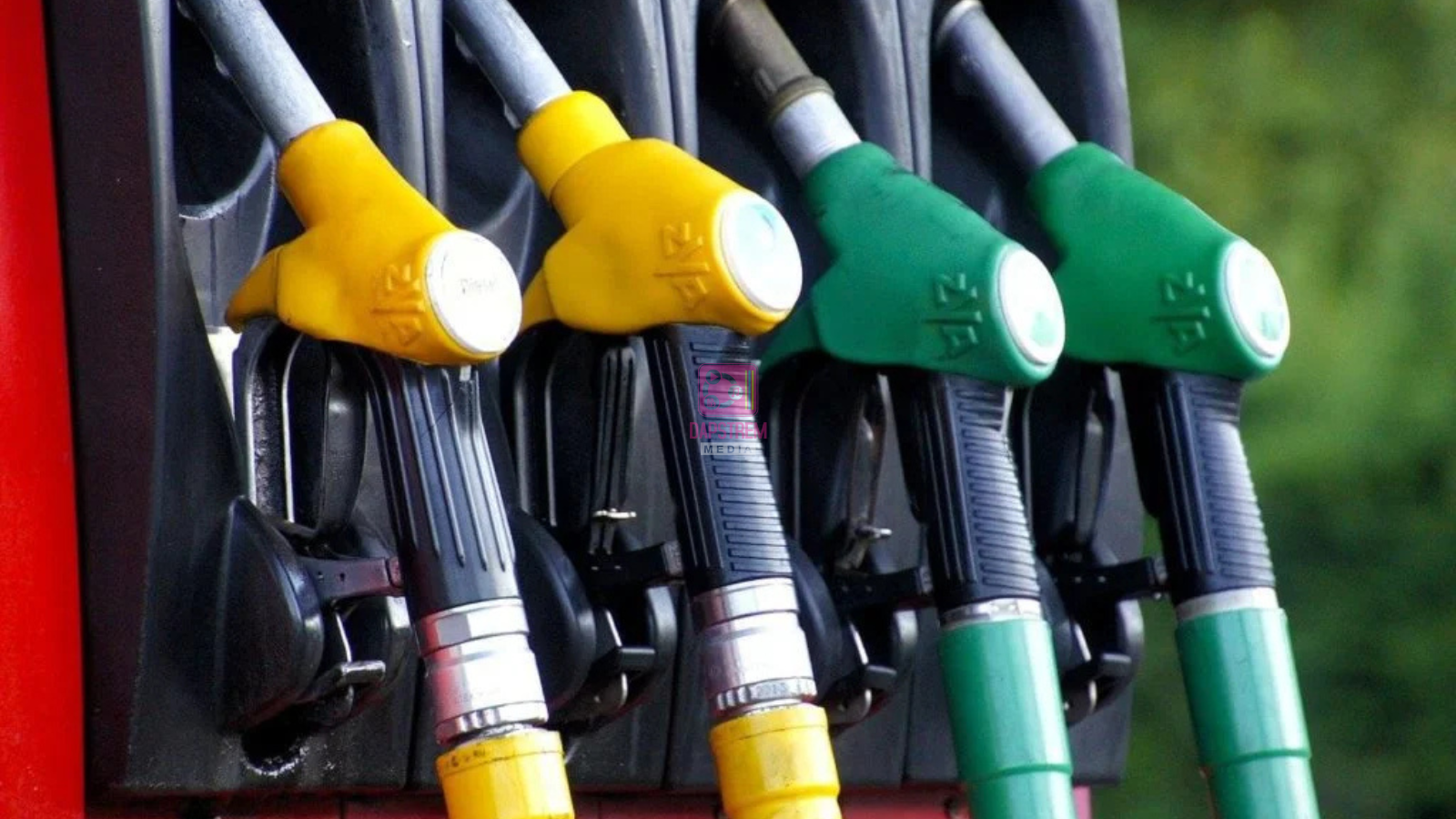
EPRA announces sharp increase in petrol and diesel prices for May-June cycle, piling more pressure on Kenyan households and businesses amid rising cost of living.
Kenyans are once again staring at painful days ahead after the Energy and Petroleum Regulatory Authority, Energy and Petroleum Regulatory Authority, announced a sharp increase in fuel prices for the period running from May 15 to June 14, 2026. The latest review has seen the cost of super petrol rise by Sh16.65 per litre to about Sh214, while diesel has recorded a shocking increase of more than Sh46 per litre to retail at around Sh243. Kerosene prices, however, remain unchanged.
The announcement has triggered widespread concern among motorists, transport operators, businesses and ordinary households already struggling with the high cost of living. The latest adjustment now places Kenya among the countries with some of the highest fuel prices in the region, raising fears of another wave of inflation that could affect nearly every sector of the economy.
For many Kenyans, the increase is not just about paying more at the pump. Fuel is at the center of transport, food distribution, electricity generation, manufacturing and the movement of goods across the country. Any sharp rise in fuel prices immediately translates into higher matatu fares, expensive food prices, increased production costs and more pressure on household budgets.
The increase in diesel prices is particularly worrying because diesel powers public service vehicles, trucks, factories, generators and agricultural machinery. With diesel now retailing at historic highs, experts warn that the cost of transporting goods from the port of Mombasa to towns across the country will rise significantly. This means traders are likely to pass the additional costs to consumers, making basic commodities even more expensive in the coming weeks.
The latest fuel review comes at a time when Kenya’s economy is already under pressure from high taxation, a weakening shilling, rising electricity costs and reduced household purchasing power. Many families have been forced to cut spending on non-essential items as food, rent, school fees and transport consume larger portions of their income.
According to EPRA, the latest increase has largely been driven by a sharp rise in the landed cost of imported fuel products. Kenya imports all its refined petroleum products, making the country highly vulnerable to global oil market fluctuations and international geopolitical tensions.
Data released by the regulator shows that the average landed cost of super petrol rose by nearly 10 percent, increasing from about $823 per cubic metre to more than $906. Diesel experienced an even steeper rise, jumping by over 20 percent to nearly $1,292 per cubic metre. Kerosene also registered a smaller increase in landed costs, although its pump price remained unchanged after government intervention.
One of the biggest factors behind the current fuel crisis is the ongoing instability in the Middle East. Global oil markets have been rattled by tensions involving Iran and disruptions around the Strait of Hormuz, one of the world’s most important oil shipping routes. The conflict has disrupted global supply chains and pushed crude oil prices sharply upward. Countries heavily dependent on imported petroleum products, including Kenya, have felt the effects almost immediately.
The government has reportedly been forced to intervene to prevent prices from rising even further. Reports indicate that billions of shillings from the Petroleum Development Levy Fund have been used to cushion consumers from the full impact of the global oil shock. Without the subsidy intervention, analysts say diesel and petrol prices could have risen to even more devastating levels.
Despite the subsidy efforts, many Kenyans feel the situation has become unbearable. Public reaction online has been filled with anger and frustration, with some accusing authorities of failing to protect consumers from the worsening economic crisis. Others have questioned the numerous taxes and levies imposed on fuel, arguing that a significant portion of the pump price is made up of government charges rather than the actual cost of fuel itself.
The impact is already beginning to be felt across the transport sector. Matatu operators in several towns are expected to increase fares in response to the higher diesel costs. Boda boda riders are also likely to charge more as operating expenses continue to rise. This could significantly affect workers, students and small traders who depend on daily transport to earn a living.
Businesses are equally under pressure. Manufacturers who rely on fuel-powered machinery and transport networks now face rising operational costs. Supermarkets, wholesalers and retailers are expected to adjust prices upward to accommodate the increased cost of transporting goods. Farmers may also suffer as fuel prices directly affect the cost of tractors, irrigation systems and transporting produce to markets.
Economists warn that the fuel hike could trigger another spike in inflation. Kenya has spent the last few years battling high living costs, and the latest development may worsen the situation further. Food prices are likely to increase, especially for products transported over long distances such as vegetables, cereals and imported goods.
The weakening Kenyan shilling against the US dollar has also played a major role in the fuel crisis. Since petroleum products are purchased in dollars, any depreciation of the local currency increases the amount importers must pay. This additional burden eventually gets transferred to consumers at fuel stations.
Kenya’s heavy dependence on imported fuel has exposed the country to global market shocks for years. Experts have repeatedly called for greater investment in renewable energy, electric mobility and local refining capacity to reduce dependence on imported petroleum products. However, progress in these areas has remained relatively slow.
The latest fuel price review is likely to reignite debate over fuel taxation in Kenya. Currently, motorists pay numerous levies and taxes embedded within fuel prices, including VAT, Road Maintenance Levy, Railway Development Levy and Petroleum Development Levy. Critics argue that reducing some of these charges could help ease the burden on consumers during periods of global market instability.
As Kenyans brace for another difficult month, attention will now shift to whether the government will introduce additional interventions to stabilize prices and protect consumers. For many households already struggling to survive, the latest fuel hike represents yet another painful blow in an economy where the cost of nearly everything continues to rise.
With diesel now at record highs and petrol crossing the Sh214 mark, the coming weeks could see widespread increases in transport fares, food prices and business costs across the country. Many Kenyans are now hoping for a drop in global oil prices or fresh government measures to cushion consumers before the situation worsens further.