
Burundi Demands Protection for Citizens as Kenya Tightens Crackdown on Foreign-Owned Small Businesses
Burundi Demands Protection for Its Citizens as Kenya Cracks Down on Foreign Workers Running Small Businesses
Burundi has demanded protection for its citizens living and working in Kenya amid growing concerns over a government crackdown targeting foreign nationals operating small businesses and engaging in informal trade.
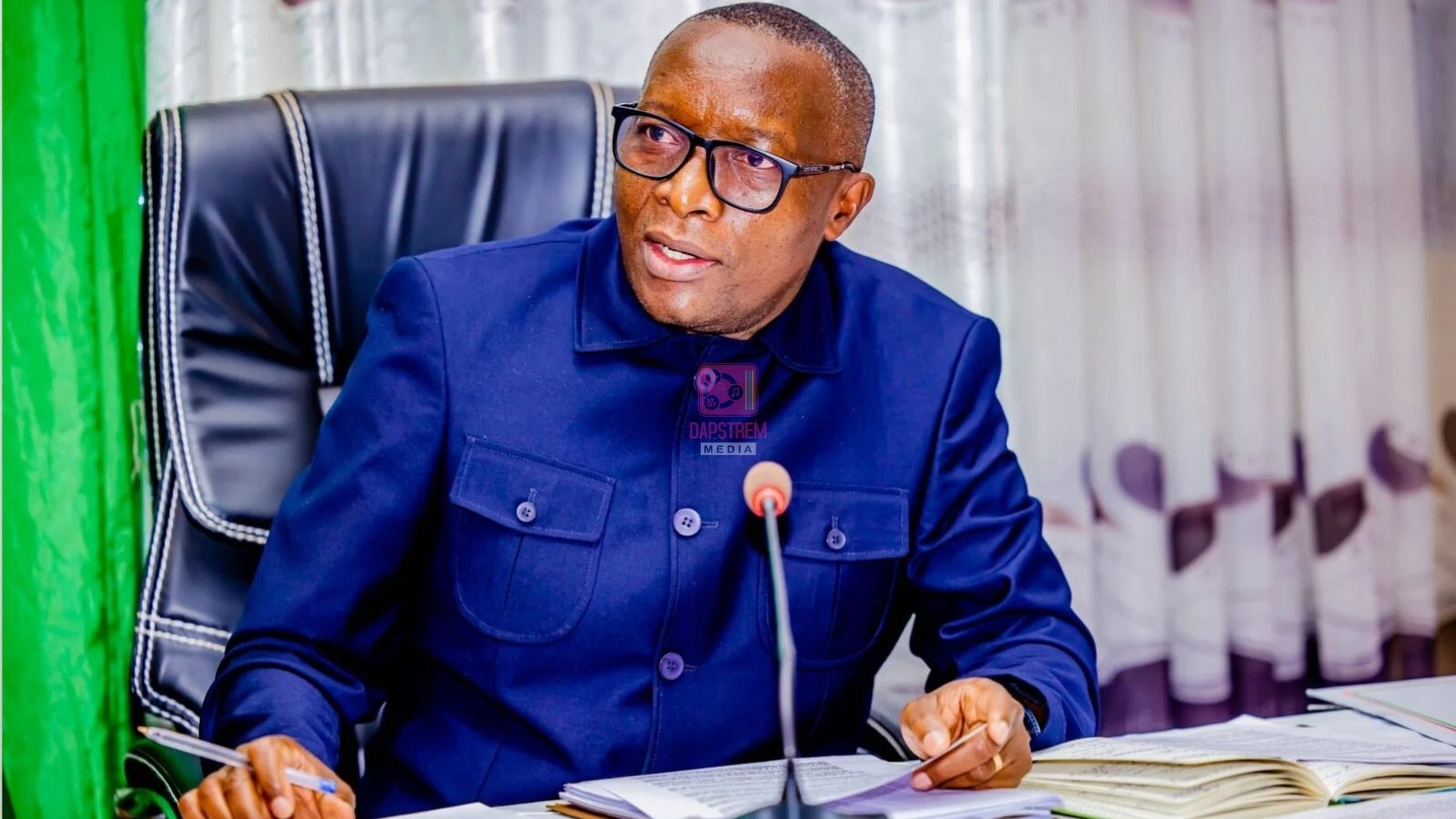
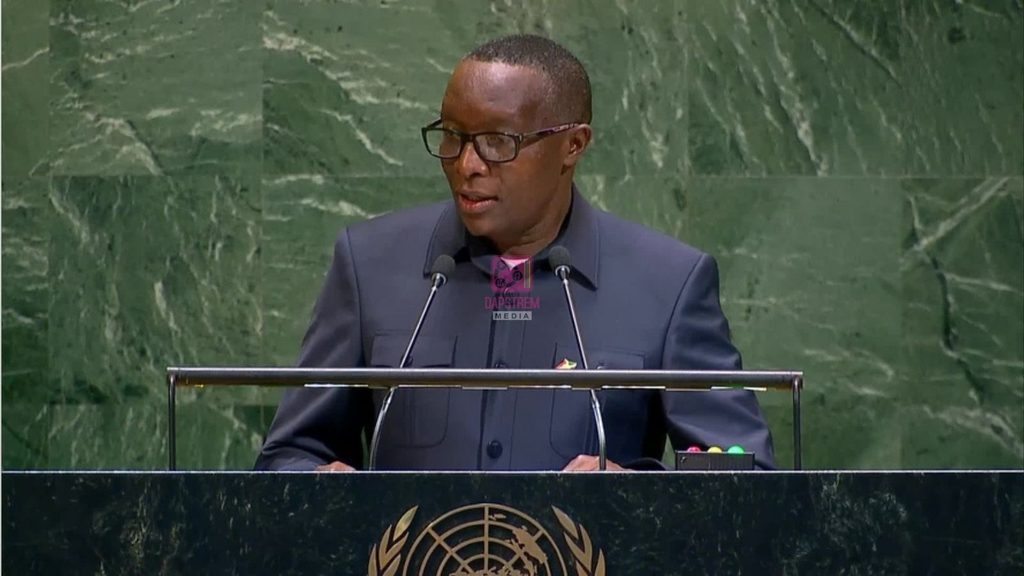
Burundi’s Foreign Affairs Minister Édouard Bizimana has warned that continued anti-Burundian rhetoric and reports of mistreatment could strain relations between the two East African neighbours, adding a diplomatic dimension to Kenya’s efforts to protect opportunities for its citizens.
The dispute comes after President William Ruto directed authorities to take action against foreign nationals operating small-scale businesses in Kenya, particularly hawking and petty retail, arguing that such economic activities should provide opportunities for Kenyans.
The directive, announced on September 2, has since generated debate across the region, with concerns emerging about how it could affect citizens from neighbouring East African Community countries who have established livelihoods in Kenya.
For Burundi, the issue has become particularly sensitive because thousands of Burundians live and work in Kenya, while Kenyans also operate businesses and pursue economic opportunities in Burundi.
Bizimana warned that continued hate speech targeting Burundians could have consequences for bilateral relations, saying Kenya has a responsibility to protect Burundian nationals living within its borders.
“Kenyans live peacefully in Burundi. But if this hate speech against Burundi continues, things will certainly change,” Bizimana said in a message directed at Kenya’s Parliament, adding that the Kenyan government was responsible for the safety of Burundians in the country.
His remarks came at a time when social media discussions about foreign traders in Kenya had intensified, with Burundian nationals among those increasingly mentioned in conversations about foreign workers and small-scale businesses.
The situation has raised questions about where Kenya draws the line between protecting local economic opportunities and meeting its regional obligations on the movement of people, workers and businesses.
Kenya is a member of the East African Community, whose integration agenda is built around facilitating the movement of people, goods, services, labour and capital among partner states.
That means the crackdown has implications beyond Kenya’s domestic employment and business policy.
It has also created a delicate diplomatic challenge for Nairobi, particularly because Kenya has historically positioned itself as one of the region’s strongest advocates of regional integration and economic cooperation.
Kenya’s position on foreign traders
President Ruto’s directive was largely framed around the need to protect Kenyan small-scale traders from competition.
While addressing Micro, Small and Medium Enterprises traders at State House in Nairobi on September 2, the President said foreigners should not compete with Kenyans in businesses requiring relatively little capital.
He specifically referred to activities such as hawking and small-scale retail, arguing that Kenya’s efforts to improve the investment environment were intended to attract investors capable of bringing capital, creating jobs and expanding economic opportunities rather than foreigners competing with local traders at the lower end of the economy.
Ruto directed that foreign nationals involved in such businesses should close their operations, with the government indicating that enforcement would begin on September 7.
The announcement immediately generated concern among foreign traders, particularly those from neighbouring countries who have established small businesses in Kenya.
The government has defended the policy as an effort to protect Kenyan entrepreneurs who often operate with limited capital and face stiff competition in crowded informal markets.
Kenyan traders have for years complained about foreign nationals entering sectors such as hawking, retail and other small-scale businesses, arguing that foreigners sometimes have access to capital, networks and supply chains that allow them to compete more effectively.
The issue has also featured in wider discussions about unemployment and the difficulties young Kenyans face when attempting to establish businesses.
However, the President’s announcement did not occur in isolation.
A proposed Local Content Bill is currently before Parliament and seeks to introduce stronger requirements around local participation in economic activities.
Ruto has linked the debate over foreign participation in small-scale businesses to the broader question of how Kenya can ensure that economic growth benefits its citizens.
The proposed legislation has not yet become law, meaning questions remain about the legal basis and scope of immediate enforcement measures.
That uncertainty has become one of the central issues in the debate.
Government clarification offers reassurance to foreign nationals
Amid the growing regional concern, Kenya’s Foreign Affairs Principal Secretary Korir Sing’oei moved to reassure foreign nationals that they remain protected under Kenyan law provided they meet the country’s legal requirements.
Sing’oei said President Ruto’s remarks had been taken out of context and were made in the context of the ongoing debate around the Local Content Bill.
He stressed that foreign traders and employees who possess the necessary documentation, including valid work permits and business licences, remain legally entitled to operate in Kenya.
“As such, we assure that small or large traders and employees of all nationalities, with requisite documentation — work permits & licenses — are legally protected to operate in Kenya,” Sing’oei said.
The clarification is important because it appears to distinguish between foreign nationals operating legally and those who may be violating immigration, work or business regulations.
Kenya’s Ministry of Investments, Trade and Industry also said visa-free entry or exemption from Electronic Travel Authorisation requirements does not automatically give a foreign national the right to work, trade or establish a business in Kenya.
The ministry said there had been cases of misuse of visa arrangements and indicated that enforcement would focus on people found violating applicable immigration and business regulations.
At the same time, the ministry acknowledged Kenya’s commitments under the East African Community and said enforcement would be conducted in an orderly and transparent manner and in the spirit of regional integration.
That position could prove important in the coming days as authorities begin implementing the crackdown.
It suggests that the government’s focus may ultimately be on compliance with permits and licences rather than a blanket prohibition against all foreign nationals participating in economic activities.
Burundi raises concerns over treatment of its citizens
For Burundi, however, the issue has moved beyond trade and immigration policy.
The government in Bujumbura is increasingly concerned about the treatment of its citizens in Kenya and the rhetoric surrounding foreign traders.
Bizimana has spoken with Kenya’s ambassador to Burundi and called on Kenyan authorities to ensure that Burundian nationals are protected from mistreatment.
The concern follows reports and social media claims alleging that some Burundians in Kenya had been harassed as the debate over foreign traders intensified.
The exact number of people allegedly affected remains unclear, and Kenyan authorities have not publicly confirmed the individual claims circulating online.
One incident that previously attracted attention involved a viral video showing a Kenyan man harassing a Burundian tea vendor in July. The Kenyan government subsequently assured Burundian nationals of their safety.
The latest diplomatic intervention reflects concern that isolated incidents could become part of a broader perception that foreigners, particularly nationals from neighbouring countries, are no longer welcome in Kenya.
That would be particularly damaging for the East African Community, which has spent years promoting regional integration and reducing barriers between member states.
The EAC Common Market is intended to allow citizens of partner states greater opportunities to move, work, establish businesses and participate in economic activities across the region, subject to applicable laws and regulations.
Any perception that citizens from one member state are being collectively targeted in another could therefore undermine confidence in the regional integration project.
A difficult balance between local jobs and regional integration
The dispute has exposed a difficult policy question facing Kenya and other East African countries: how can governments protect citizens from economic exclusion without undermining regional integration?
Kenyan traders have legitimate concerns about competition.
Small businesses provide livelihoods for millions of Kenyans, many of whom struggle with limited access to affordable credit, high operating costs, taxes and rising competition.
For a young Kenyan trying to establish a small retail business or become a hawker, competition from better-funded traders can make an already difficult environment even harder.
The government therefore has a strong political incentive to respond to complaints from local traders.
However, foreign nationals also contribute to Kenya’s economy.
Many migrants operate legitimate businesses, employ other people, rent commercial premises, purchase goods from local suppliers and spend money within the communities where they live.
Others are employed in sectors where businesses depend on particular skills or labour.
The challenge for policymakers is therefore determining which activities should be reserved for citizens and which should remain open to legally documented foreign nationals.
That distinction becomes even more complicated within the EAC, where partner states have committed themselves to increasing economic integration.
A policy that is perceived as a blanket exclusion of foreign nationals could trigger reciprocal pressure on Kenyans living and working elsewhere in the region.
Burundi’s warning that the treatment of Kenyans in Burundi could also be affected illustrates the potential consequences.
The issue extends beyond Burundi
Although Burundi has become one of the loudest voices on the issue, the Kenyan crackdown has implications for citizens from several neighbouring countries.
Kenya hosts nationals from Uganda, Tanzania, Rwanda, Burundi, South Sudan, Ethiopia, Somalia and other countries who work, study, trade or operate businesses.
The government’s enforcement measures could therefore affect a much wider group of people.
The scale of the impact remains uncertain because authorities have not provided a comprehensive figure showing how many foreign nationals operate small businesses in Kenya or how many would be affected by the directive.
That uncertainty has contributed to anxiety among foreign traders.
Some have invested their savings into shops, stalls, salons, restaurants, hawking businesses and other enterprises.
If their businesses are closed without a clear pathway to legal compliance, they could suffer substantial financial losses.
The government, however, maintains that those who have the necessary permits and licences are protected.
This creates an important distinction between undocumented or improperly licensed businesses and legitimate foreign-owned enterprises.
The coming enforcement exercise is likely to determine how that distinction is applied in practice.
Why East African relations are at stake
Kenya and Burundi have maintained diplomatic and economic relations for decades, with people and businesses moving between the two countries.
The two countries are also connected through the EAC, making their relationship part of a much broader regional framework.
A deterioration in relations could affect ordinary citizens on both sides.
Burundians living in Kenya depend on their livelihoods to support families both in Kenya and back home.
Likewise, Kenyans operating businesses or working in Burundi could potentially become vulnerable to retaliatory measures if the dispute escalates.
That is why Bizimana’s warning has attracted attention.
The Burundian minister is not simply objecting to Kenya’s decision to enforce immigration or business regulations.
He is warning that rhetoric targeting Burundians could create a diplomatic problem if it develops into widespread hostility against ordinary citizens.
There is an important difference between enforcing immigration laws and allowing anti-foreigner sentiment to spread.
Kenya has the right to regulate who can work and conduct business within its borders, but foreign nationals are also entitled to protection from harassment, discrimination and violence.
The Kenyan government’s own clarification appears to recognise this distinction by insisting that legally documented foreign traders and workers remain protected.
Social media adds pressure to the situation
Another challenge facing both governments is the speed at which information spreads on social media.
Claims of harassment, discrimination or arrests can quickly reach thousands of people before authorities have an opportunity to verify what happened.
In the current dispute, unverified reports concerning Burundian nationals have already circulated online.
Such claims can contribute to fear among foreign communities and provoke anger in their home countries.
At the same time, social media has amplified genuine concerns from Kenyan traders who feel they are losing economic opportunities to foreigners.
The result is a highly emotional debate in which legitimate economic concerns can easily become mixed with nationality-based accusations.
That is why calls for restraint have become increasingly important.
Kenya’s enforcement agencies will need to distinguish clearly between legal violations and nationality.
A foreign national who is operating without the required permit can face enforcement action under the law.
But nationality alone should not become the basis for harassment or arbitrary treatment.
That distinction will be crucial if Kenya wants to protect its local traders while maintaining good relations with its neighbours.
What happens next?
The immediate focus will be on how the government implements the September 7 crackdown.
Authorities will have to determine which foreign nationals are operating illegally, which businesses fall within the targeted categories and what happens to traders who already possess valid permits and licences.
The government’s recent statements suggest that documented foreign workers and traders will continue to enjoy legal protection.
However, the practical interpretation of the directive will become clearer as enforcement begins.
For Burundi, the priority will be ensuring that its citizens are not subjected to harassment or violence because of the broader political debate.
The Burundian government is likely to continue engaging Nairobi through diplomatic channels while monitoring the situation involving its citizens.
For Kenya, the challenge is to demonstrate that protecting local traders does not mean abandoning the country’s regional commitments or allowing xenophobic rhetoric to take hold.
The debate also presents an opportunity for Kenya to establish clearer rules governing foreign participation in small-scale trade.
Rather than relying solely on enforcement, authorities could provide transparent information about which businesses are open to foreign nationals, which require specific permits and which are reserved for Kenyan citizens.
Such clarity would help both Kenyans and foreign nationals understand the rules and reduce the possibility of arbitrary enforcement.
It could also prevent legitimate businesses from being caught up in a broad crackdown.
Ultimately, the dispute between Kenya and Burundi is about more than small businesses.
It touches on jobs, migration, regional integration, economic opportunity, national sovereignty and the rights of foreign nationals.
Kenya has a legitimate interest in ensuring that its citizens have access to economic opportunities, particularly at a time when unemployment and the rising cost of living remain major concerns.
Burundi, meanwhile, has a legitimate interest in ensuring that its citizens living abroad are treated with dignity and protected from discrimination.
The two interests do not necessarily have to conflict.
Kenya can enforce its immigration and business laws while ensuring that enforcement is fair, transparent and based on legal status rather than nationality.
At the same time, neighbouring countries can encourage their citizens to comply with Kenyan laws while engaging diplomatically with Nairobi whenever concerns about their treatment arise.
For the East African Community, the current dispute is an important test.
The region’s integration ambitions depend on citizens believing that they can move and pursue legitimate economic opportunities across borders without facing hostility simply because of their nationality.
If Kenya’s crackdown is implemented carefully, it could strengthen local economic participation without damaging relations with its neighbours.
If it is accompanied by widespread harassment or anti-foreigner sentiment, however, the consequences could extend far beyond the small businesses at the centre of the controversy.
For now, all eyes are on Kenya as enforcement begins and on the diplomatic response from Burundi.
The coming days will reveal whether the dispute can be contained as a matter of immigration and business regulation or whether it will develop into a wider diplomatic challenge for two countries whose citizens and economies are increasingly connected.
At the centre of the matter are ordinary people — Kenyan traders trying to protect their livelihoods and Burundian workers and entrepreneurs trying to earn a living.
How both governments handle their competing interests could determine not only the future of foreign small-scale businesses in Kenya but also the strength of relations between Kenya, Burundi and the wider East African Community.