Former IEBC Commissioner Mohamed Abdullahi Sharawe Dies, Leaving Behind a Legacy of Public Service
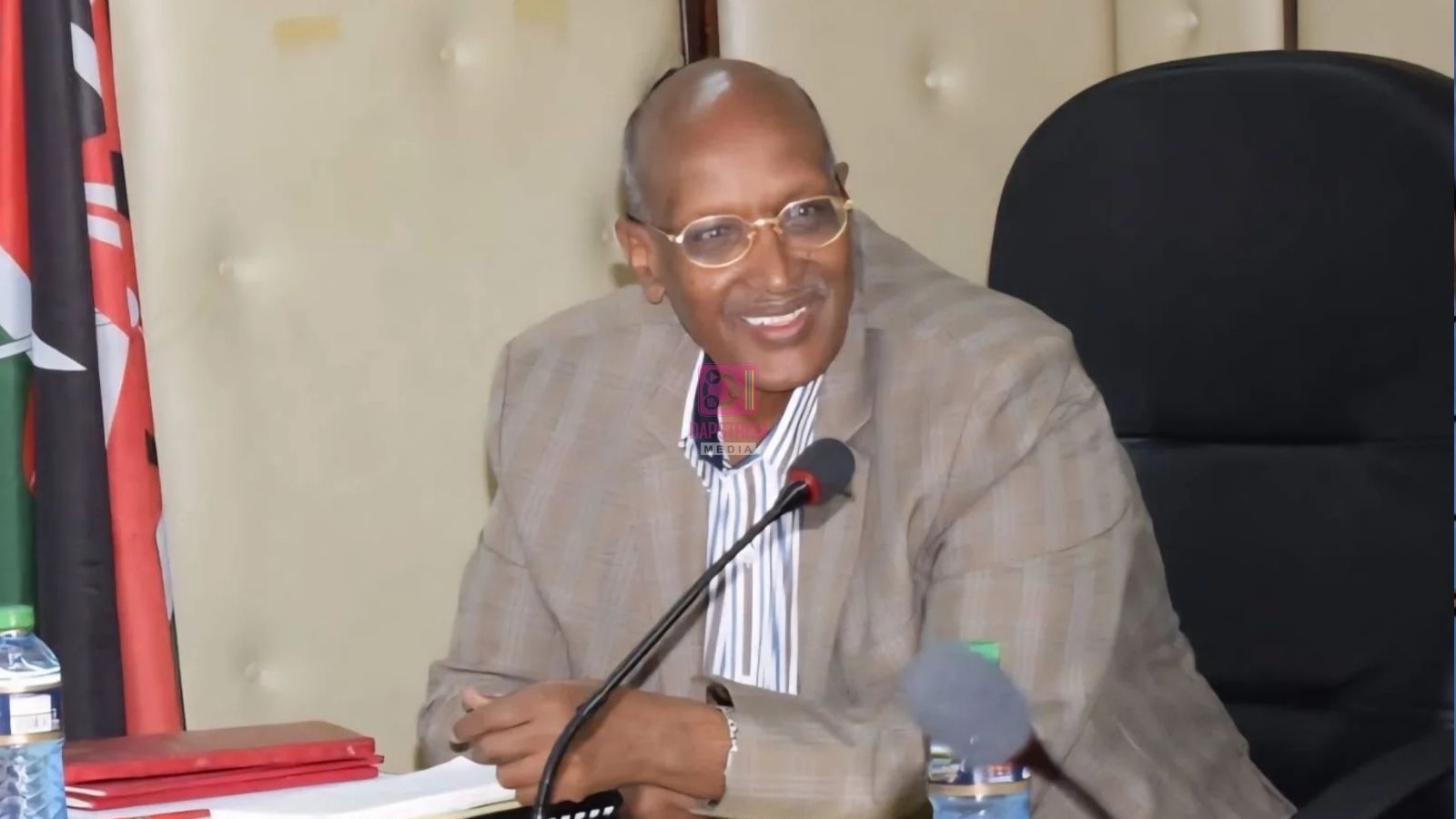
Kenya is mourning the death of former Independent Electoral and Boundaries Commission (IEBC) Commissioner Mohamed Abdullahi Sharawe, whose passing marks the end of a distinguished career in public service and electoral governance. His death has saddened many across the country, particularly those who worked with him in strengthening Kenya’s democratic institutions and promoting credible electoral processes.
Sharawe’s passing comes at a time when the country continues to reflect on the important role played by former electoral commissioners in shaping Kenya’s democracy. Throughout his tenure at the IEBC, he was involved in some of the country’s most significant electoral processes, helping to oversee elections that were critical to the nation’s constitutional and democratic development.
Although details surrounding his death have drawn public attention, many Kenyans have instead chosen to focus on the legacy he leaves behind—a legacy built on years of service, commitment to constitutional principles, and participation in one of the country’s most important independent institutions.
The Independent Electoral and Boundaries Commission occupies a unique position within Kenya’s constitutional framework. Established under the Constitution of Kenya 2010, the commission is mandated to conduct and supervise elections, register voters, review electoral boundaries, regulate political party nominations in certain instances, and ensure that elections are conducted in a free, fair, transparent, and credible manner.
Serving as an IEBC commissioner is among the most demanding public responsibilities in Kenya. Commissioners are expected to make decisions that directly influence public confidence in elections while navigating complex political environments characterized by intense competition, public scrutiny, legal challenges, and high national expectations.
Mohamed Abdullahi Sharawe was among those entrusted with this responsibility. During his time at the commission, he participated in policy discussions, administrative decisions, and oversight processes aimed at improving Kenya’s electoral system. Alongside fellow commissioners, he helped guide the institution through periods that required careful judgment, professionalism, and unwavering commitment to the Constitution.
Kenya’s elections have often attracted considerable domestic and international attention because of their significance to the country’s democratic journey. Every election presents logistical, legal, technological, and security challenges that require careful planning and coordination among multiple institutions. Commissioners play a central role in ensuring these processes are conducted within the framework of the law.
Throughout his public service career, Sharawe earned recognition as an individual committed to strengthening institutional governance. Those who worked alongside him have often described him as thoughtful, professional, and dedicated to serving the public interest. His contributions extended beyond electoral management, reflecting a broader commitment to national development and constitutional governance.
As news of his death spread, leaders from different sectors expressed their condolences to his family, friends, and colleagues. Messages of sympathy highlighted his years of service and acknowledged the role he played in supporting Kenya’s democratic institutions during an important period in the country’s political history.
Many observers noted that public servants who dedicate years to national institutions often leave behind contributions that extend far beyond their individual roles. Electoral commissioners, in particular, help shape systems that influence governance, political participation, and democratic accountability for generations.
The passing of Sharawe has also prompted renewed reflection on the demanding nature of service within independent constitutional commissions. Institutions such as the IEBC operate under immense public pressure, especially during election periods when every decision is scrutinized by political parties, civil society organizations, the judiciary, development partners, the media, and millions of citizens.
Commissioners are expected to remain impartial while making difficult decisions that often attract both praise and criticism. Balancing legal obligations, public expectations, operational realities, and political sensitivities requires exceptional professionalism and integrity.
Kenya’s electoral history has evolved significantly over the years through constitutional reforms, judicial decisions, technological innovation, and institutional strengthening. Former commissioners like Sharawe contributed to this evolution by participating in efforts aimed at improving voter registration systems, election administration, results management, civic education, and stakeholder engagement.
Although no electoral system is without challenges, continuous reforms have helped strengthen public confidence in democratic processes while encouraging greater transparency and accountability. The contributions of current and former electoral officials remain an important part of that ongoing journey.
Beyond his official responsibilities, Mohamed Abdullahi Sharawe will also be remembered by family members, friends, and colleagues for the personal relationships he built throughout his life. Public office often defines how national figures are remembered, but those closest to them frequently speak of qualities such as humility, kindness, mentorship, and dedication that may never fully appear in official records.
His passing is therefore not only a national loss but also a deeply personal one for those who knew him beyond his public responsibilities. Family members have lost a loved one, colleagues have lost a respected former teammate, and friends have lost someone whose guidance and companionship they valued.
Moments such as these also remind Kenyans of the importance of recognizing public servants for their contributions while they are alive and honoring their service after their passing. Democratic institutions are ultimately built by individuals who dedicate their knowledge, experience, and time to strengthening governance and serving the public.
The IEBC itself continues to play a central role in Kenya’s democracy, with ongoing preparations for future electoral processes, institutional reforms, voter registration initiatives, and efforts to enhance public trust. The work undertaken by former commissioners forms part of the institutional foundation upon which future electoral improvements continue to be built.
Political analysts note that maintaining strong and independent electoral institutions remains essential for Kenya’s democratic stability. Public confidence in elections depends not only on legal frameworks and technology but also on the professionalism, integrity, and commitment of those entrusted with administering the electoral process.
As the country mourns Sharawe’s passing, many hope his service will inspire future generations of public officials to uphold the values of integrity, impartiality, accountability, and respect for the Constitution. Independent institutions require dedicated individuals willing to place national interest above personal or political considerations.
The death of the former commissioner also serves as a reminder of the important role that constitutional commissions play in safeguarding democracy. Institutions such as the IEBC remain fundamental to ensuring peaceful transitions of power, protecting citizens’ voting rights, and preserving confidence in electoral outcomes.
Across Kenya, condolences continue to pour in from leaders, institutions, professional bodies, and members of the public who have recognized Mohamed Abdullahi Sharawe’s contribution to national service. Many have offered prayers for his family while celebrating a life devoted to public duty.
As funeral arrangements are expected to be communicated by the family, friends, colleagues, and well-wishers will have an opportunity to pay their final respects to a man who dedicated an important chapter of his career to strengthening one of Kenya’s most vital constitutional institutions.
Ultimately, Mohamed Abdullahi Sharawe’s legacy will be remembered through his commitment to public service, his contribution to electoral governance, and his role in supporting Kenya’s democratic development. While his passing leaves a void among those who knew and worked with him, his years of service remain part of the country’s continuing journey toward stronger institutions, credible elections, and constitutional governance.
As Kenya reflects on his life and contributions, many will remember him not only as a former IEBC commissioner but also as a public servant who accepted the responsibility of helping safeguard one of the nation’s most important democratic processes. His dedication to duty and service to the country will remain an enduring part of his legacy.