The Ministry of Health has stepped up its food-safety campaign as Kenya prepares for above-normal rainfall expected from October, warning households, food vendors and communities that flooding, contaminated water and power interruptions could increase the risk of foodborne illnesses.
The latest advisory is part of a wider national preparedness effort ahead of the 2026/27 El Niño season. The Kenya Meteorological Department has forecast a 99 per cent probability of above-normal rainfall between October and December 2026, with the wet conditions expected to persist into February 2027.
Principal Secretary for Public Health and Professional Standards Mary Muthoni has urged Kenyans to prepare before the rains intensify, stressing that preventive action will be critical in limiting disease outbreaks and protecting food and water supplies.
Flooding raises contamination risks
One of the ministry’s main concerns is the contamination of water sources during floods.
Floodwater can mix with sewage and other waste before entering shallow wells, boreholes and, in some circumstances, piped-water systems. Such contamination can introduce disease-causing organisms into water used for drinking, cooking and washing food.
The ministry has warned that this could increase cases of cholera, typhoid and other diarrhoeal diseases, particularly in areas where sanitation infrastructure is vulnerable to flooding.
The World Health Organization has similarly warned that the anticipated wetter-than-normal conditions across eastern Africa could create significant health risks, particularly where flooding disrupts water, sanitation and health services.
The warning is significant because Kenya experienced substantial flooding during the 2023–24 El Niño period. The Ministry of Health says 43 of the country’s 47 counties were affected, with 175 deaths, 40 people reported missing and 242 injuries. More than 384,000 people were displaced, while 64 of 1,434 health facilities assessed in 11 counties became inaccessible.
Households urged to protect food
The new food-safety guidance focuses heavily on how households store, prepare and consume food during the rainy period.
Kenyans have been advised to:
Cook food thoroughly and eat it while hot.
Keep prepared food covered to prevent contamination.
Wash hands with soap before eating and after using the toilet.
Keep raw and cooked foods protected from contamination.
Store food in clean, airtight containers.
Keep food away from floodwater, mud, flies and other sources of contamination.
Treat or boil drinking water when its safety is uncertain.
The ministry has also encouraged households to keep essential supplies such as water-treatment products, oral rehydration salts, first-aid materials and prescribed medicines ready before the rains intensify.
Power cuts could spoil food
The ministry has identified another less obvious risk: electricity interruptions.
Heavy rainfall can damage infrastructure and cause power outages. When refrigerators and freezers remain without electricity for extended periods, perishable foods such as milk, meat and cooked leftovers can deteriorate.
The ministry’s advisory warns that disruptions to the cold chain could therefore increase food-safety risks during the rainy season.
Households have consequently been advised to pay particular attention to food that has been stored in refrigerators or freezers during prolonged outages and to avoid consuming food whose safety is uncertain.
Aflatoxin risk also increases
The warning extends beyond foods that become contaminated by floodwater.
The ministry has cautioned that increased humidity can encourage mould growth in maize, groundnuts, grains and animal feeds.
This raises concerns about aflatoxin contamination a particular public-health issue in Kenya because contaminated maize and other crops can enter the food chain.
The government has advised families to ensure that cereals and other susceptible foods are completely dry before storage. Where possible, grains stored from previous seasons should be sun-dried before the rains begin and subsequently kept in airtight containers raised above the floor.
Keeping food off the floor is particularly important in flood-prone households because water can enter storage areas and contaminate sacks, containers and their contents.
Food vendors also under scrutiny
The advisory is not limited to households.
Food vendors, market traders and other businesses handling food have been urged to strengthen hygiene and protect their products from contaminated water, mud and flies.
Traders have been advised to:
Keep food raised off the ground.
Cover food and produce.
Maintain adequate drainage around stalls.
Keep food-handling areas clean.
Ensure food handlers have valid medical certificates.
The government has also indicated that county inspections will be intensified as the rainy season progresses.
The increased scrutiny is intended to reduce the chances of contaminated food entering the market at a time when flooding could make normal sanitation practices more difficult.
Water treatment becomes more important
The Ministry of Health is asking households in vulnerable areas to prepare water-treatment supplies before the rains.
WaterGuard and chlorine tablets have been identified among the products households can keep available for treating water. The ministry also recommends cleaning and covering water-storage tanks and jerrycans and keeping a separate, clean container specifically for drinking water.
Where the safety of drinking water is uncertain, the ministry has advised people to boil or otherwise treat it before consumption.
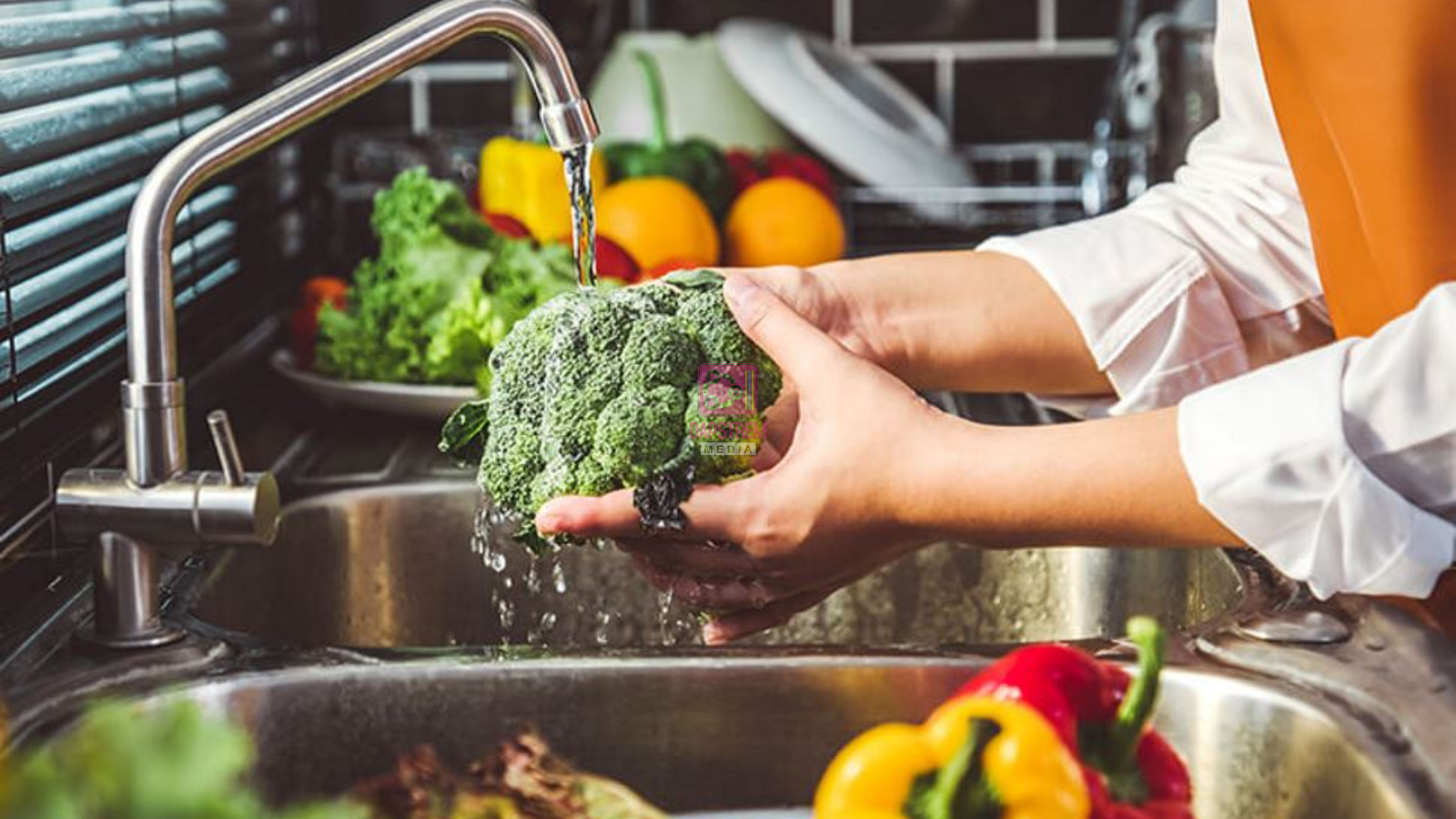
The emphasis on water is closely connected to food safety: contaminated water can be used unknowingly to wash vegetables, prepare meals, make beverages or clean utensils.
Children and other vulnerable groups need special attention
The ministry has called for additional protection of groups that could face greater health risks during flooding and disease outbreaks.
These include children, pregnant women, older people, people with disabilities and people living alone.
Children under five are particularly important because diarrhoeal illnesses can rapidly lead to dehydration.
The ministry has urged parents and caregivers to teach children proper handwashing and keep them away from potentially contaminated floodwater.
Anyone who develops sudden watery diarrhoea, repeated vomiting, severe weakness, difficulty drinking, reduced urination, bloody diarrhoea or persistent fever has been advised to seek medical attention immediately.
Food safety is part of a wider health response
The food-safety warning is only one component of the government’s broader El Niño preparedness plan.
The Ministry of Health has instructed all 47 counties to strengthen emergency coordination, identify health facilities that could be affected by flooding, stock medicines and vaccines, prepare ambulances and referral services and strengthen disease surveillance.
Counties have also been told to intensify mosquito-control measures because standing water created by floods can provide breeding sites.
The ministry has warned of increased risks from malaria, dengue fever and Rift Valley fever, in addition to cholera, typhoid and other diarrhoeal illnesses.
The preparations are being coordinated nationally through the health emergency response system, with the Ministry of Health working alongside the Kenya Meteorological Department, the National Disaster Operations Centre, county governments and humanitarian partners.
Lessons from the last El Niño
The government’s early warning is informed heavily by the experience of 2023–24.
The previous El Niño episode caused widespread flooding, displacement and disruption of health services across Kenya. In addition to deaths and injuries, health facilities became inaccessible and disease risks increased.
The current approach is therefore based on acting before the heaviest rainfall arrives rather than waiting for outbreaks or flooding to occur.
WHO has likewise emphasised early preparation, noting that the combination of strong El Niño conditions and a positive Indian Ocean Dipole is associated with increased rainfall in parts of eastern Africa.
The message: prepare before the water rises
For Kenyan households, the ministry’s latest advisory effectively shifts the focus from responding to contaminated food to preventing contamination in the first place.
That means securing drinking water, protecting food from floodwater and insects, maintaining hygiene, storing grains correctly and planning for electricity interruptions.
For food businesses, it means maintaining safe handling and storage even when markets and roads are affected by heavy rain.
And for county governments, it means ensuring that public-health surveillance, inspections and emergency services remain operational throughout the rainy season.
With the first major rains expected from October, the Ministry of Health’s message is that food safety cannot be treated as a secondary concern during flooding.