


Kenyan motorcycle riders and passengers have been reminded to take helmet requirements seriously as authorities continue efforts to improve road safety.
Inspector Maingi Muteti has warned motorcycle users that police can take action against riders found carrying passengers without the required protective gear.
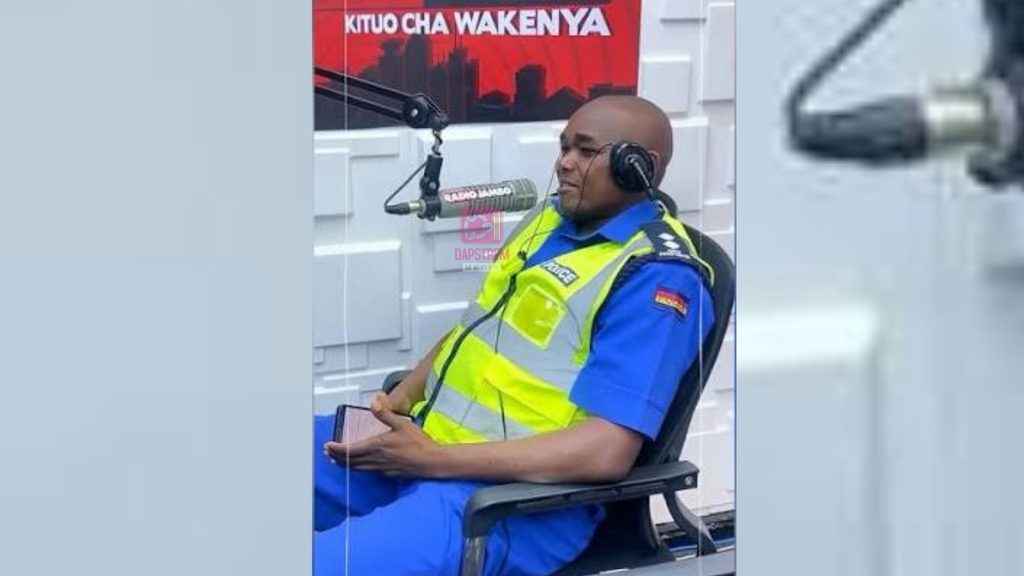
According to remarks attributed to the police officer, a rider found without a helmet could face a penalty of up to Sh20,000, while both the rider and pillion passenger can be charged where the relevant traffic requirements are breached.
The warning comes as road safety authorities continue to focus on motorcycle-related crashes and the use of protective equipment.
Helmet Rules Apply to Riders and Passengers
Kenyan regulations place responsibilities on both motorcycle riders and passengers.
Under the National Transport and Safety Authority (Operation of Motorcycles) Regulations, 2015, a motorcycle rider must not ride or carry a person without the prescribed protective gear properly fastened.
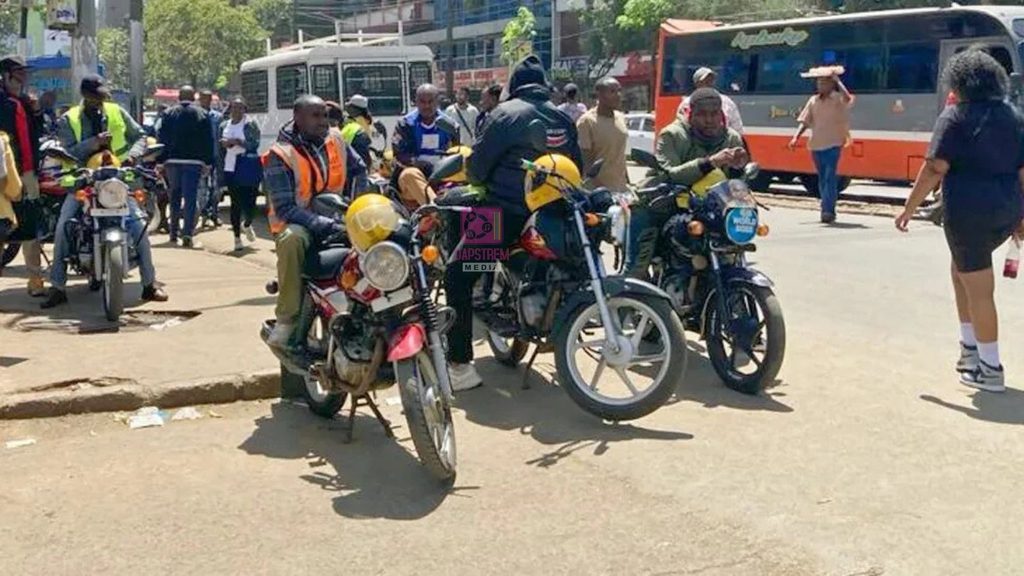
The regulations also require every motorcycle passenger to properly wear a helmet and reflective jacket while being carried on a motorcycle.
This means that helmet safety is not only the responsibility of the person riding the motorcycle.
Passengers also have a responsibility to use the required protective equipment when travelling on a motorcycle.
Police Warn Riders Over Passenger Safety
The latest warning highlights the responsibility placed on motorcycle riders when carrying passengers.
The regulations require riders to ensure that passengers have the prescribed protective gear. Riders are also required to ensure that passengers are properly seated behind the rider and that the motorcycle is not carrying more than one passenger at a time.
The one-passenger rule has also been reinforced in Kenyan court decisions dealing with motorcycle accidents.
Kenya’s Traffic Act provides that a two-wheeled motorcycle should not carry more than one person in addition to the rider.
Why Helmet Use Remains a Major Safety Issue
The renewed focus on helmets comes amid concerns about injuries involving motorcycle crashes.
Nairobi County said in January 2026 that motorcycle crash victims accounted for nearly half of hospital bed occupancy in the city at the time, prompting efforts to strengthen helmet-use regulations for both riders and passengers.
The county also raised concerns about low helmet use and the circulation of non-standard helmets, describing helmet use as an important road-safety and public-health issue.
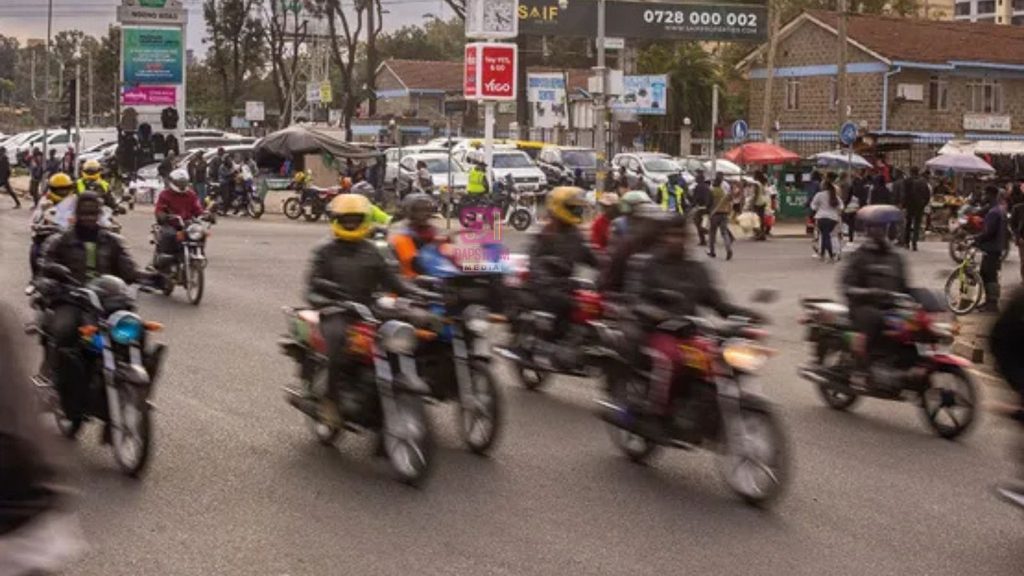
A properly worn helmet can provide important protection against serious head injuries during a crash.
For motorcycle users, therefore, wearing protective equipment is an important part of reducing the potential consequences of an accident.
Sh20,000 Claim Needs Context
The Sh20,000 figure mentioned by Inspector Maingi Muteti has attracted attention because of the size of the potential penalty.
However, it is important to distinguish the police warning from the specific provisions of the motorcycle regulations.
The regulations clearly establish the requirement for riders and passengers to use prescribed protective gear, but the exact penalty applicable to a particular offence can depend on the charge and the relevant law or enforcement process.
The Sh20,000 figure should therefore be understood in the context of the inspector’s reported warning rather than as a blanket statement that every helmet violation automatically results in a Sh20,000 fine.
Road Safety Campaigns Continue
The National Police Service and other road-safety organisations have continued to engage motorcycle operators on safe riding practices.
In 2024, National Traffic Police Inspector Teddy Muteti Maingi participated in a road-safety training session for boda boda riders in Nairobi, where riders were taken through traffic regulations and road-safety practices.
Such programmes have focused on helping riders understand their responsibilities while also encouraging safer behaviour on the roads.
Motorcycles remain an important form of transport in Kenya, providing affordable last-mile connectivity and employment for many people.
However, the increasing number of motorcycles on Kenyan roads has also made compliance with traffic regulations an important part of the wider road-safety conversation.
Riders and Passengers Urged to Take Safety Seriously
The latest warning serves as a reminder that motorcycle safety involves more than simply controlling the bike.
Riders are expected to comply with traffic regulations and ensure that passengers have the required protective equipment.
Passengers, meanwhile, are required to properly wear helmets and reflective jackets while being carried on motorcycles.
As enforcement continues, motorcycle users are likely to face greater attention from traffic officers over protective equipment and other safety requirements.
For riders and passengers, the message remains straightforward: helmet use is a legal requirement as well as an important road-safety measure.
The reported Sh20,000 warning has added urgency to the conversation, but the broader objective remains reducing motorcycle-related injuries and encouraging safer road use across Kenya.
