
The release of the MV Sward has brought an end to a four-and-a-half-month ordeal that began with a hijacking off Somalia and evolved into something more consequential: the cargo ship was allegedly transformed into a “mothership” from which pirates launched further attacks on vessels navigating the western Indian Ocean.
The Saint Kitts and Nevis-flagged vessel was released near Garacad, Puntland, on September 11, after spending about 138 days under pirate control. All 17 crew members remained safely aboard when the pirates abandoned the ship, according to Puntland security sources cited by maritime reports. The crew comprised 15 Syrians and two Indians.
The Sward had been seized on April 26, 2026, near Dhinowda on Somalia’s northern coast, while sailing from Suez, Egypt, towards Mombasa, Kenya. The European Union Naval Force Operation Atalanta confirmed the incident at the time, saying the vessel had fallen into pirate hands in the same area where the tanker Honour 25 had also been hijacked days earlier.
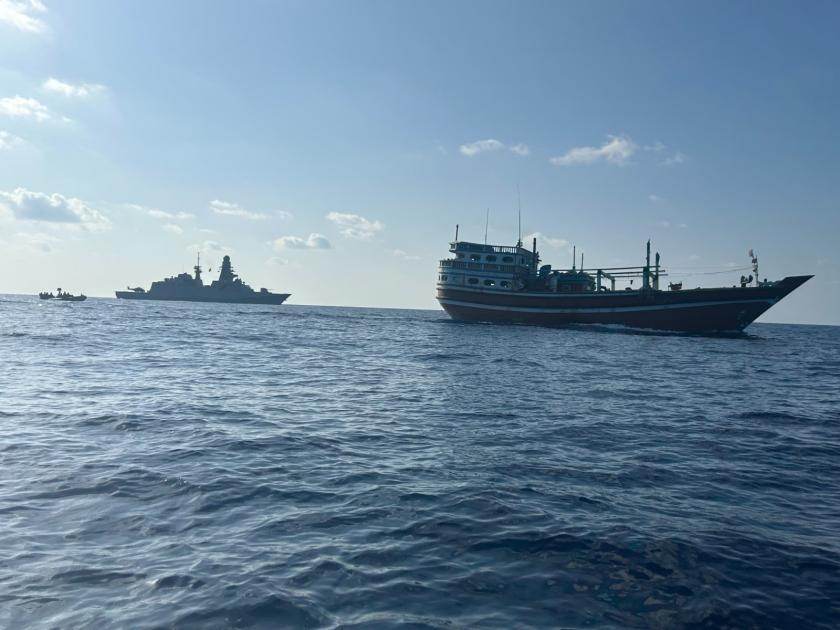
For Kenya, the incident carried particular significance. The Sward was reportedly carrying fertiliser destined for Mombasa, meaning its hijacking disrupted a commercial shipment intended for the Kenyan market. The vessel had an estimated deadweight of about 8,500 tonnes and was managed by a Turkish-linked company.
From cargo ship to pirate mothership
What made the Sward case especially serious was what happened after the hijacking.
Rather than simply keeping the vessel anchored off the Somali coast while negotiating a ransom, the pirates reportedly used the ship as a base from which to conduct additional operations. Maritime security reports say the Sward was involved in the capture of two Iranian fishing boats and later the Cameroon-flagged cargo vessel MV Lutuf.
The tactic effectively extended the pirates’ reach. A large commercial vessel can operate farther offshore and remain at sea considerably longer than the small boats traditionally associated with Somali piracy. By using the Sward as a mothership, the pirates could therefore turn one successful hijacking into an operational platform for further attacks.
The Lutuf incident demonstrated the continuing threat. In August, the cargo vessel was hijacked off Puntland by pirates believed to be connected to the group involved in the Sward seizure. The AP reported that the vessel was carrying Turkish military equipment and communications gear and that its crew included Indian, Turkish, Georgian and Serbian nationals.
Sward finally freed after 138 days as Somali pirates turn cargo ship into a mothership.
A ransom but no confirmed figure
The circumstances surrounding the Sward’s release point towards a ransom payment, although the precise amount remains uncertain.
A Puntland security source said the pirates received money before abandoning the vessel and travelling towards Garacad in several vehicles. Maritime intelligence organisation ÆGIR estimated the ransom at approximately $1.7 million, but that figure has not been independently confirmed. Other reports have cited different amounts, making it inappropriate to treat any particular figure as definitive.
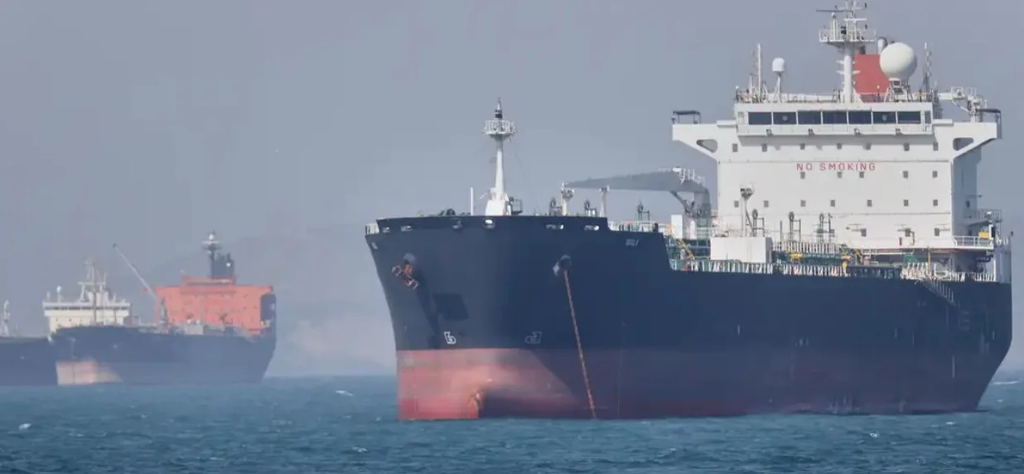
The uncertainty illustrates one of the persistent difficulties in tackling maritime piracy: ransom negotiations are generally conducted away from public scrutiny, while shipping companies and insurers have strong incentives to secure the safe return of crews and vessels rather than disclose the financial details of settlements.
Somalia’s piracy problem returns
The Sward’s release comes amid a worrying resurgence of Somali piracy after years of relative calm.
International naval operations, improved security measures aboard merchant vessels and coordinated efforts by regional governments had dramatically reduced the number of successful Somali hijackings after the piracy crisis peaked in the early 2010s. But 2026 has brought a renewed series of incidents along the Somali coast and in the Gulf of Aden.
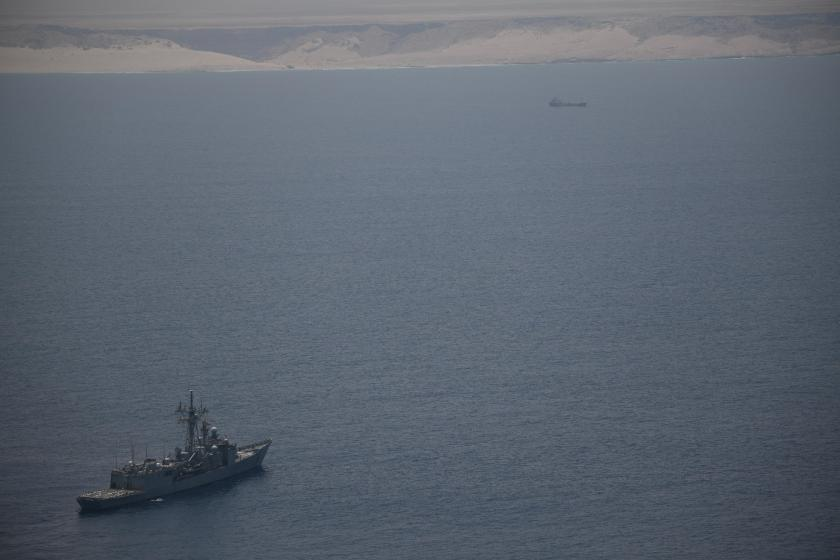
EUNAVFOR Atalanta warned in April that favourable weather conditions and instability linked to wider regional conflicts were contributing to renewed piracy activity. The mission said its forces were working with Somali authorities and other maritime-security partners to monitor the hijacked vessels and prioritise the safety of their crews.
The renewed threat is not confined to the Sward. Maritime intelligence reports indicate that several other commercial vessels have been held by pirates during the current resurgence, while a separate attempted boarding of the merchant vessel MT Glamour in the Gulf of Aden in September was disrupted after the crew sought refuge in the ship’s citadel and international forces responded.
What happens next for the Sward?
Although the crew are safe and the pirates have left, the Sward’s ordeal is not necessarily over.
The vessel and its cargo will need to be assessed before it can resume normal commercial operations. Questions also remain over the condition of the fertiliser cargo and when, or whether, the shipment will finally reach its intended destination in Mombasa.
More importantly, the episode has demonstrated that Somali pirate groups remain capable of capturing a sizeable commercial vessel and using it to facilitate additional attacks.
For Kenya and the wider western Indian Ocean, that is the bigger warning.
The Sward began its voyage carrying fertiliser towards Mombasa. Four months later, it emerged from captivity as evidence of how quickly a single hijacking can become part of a much larger maritime-security problem.
Its 17 crew members are now free. The ship has been recovered. But the resurgence of Somali piracy means the waters through which the Sward was travelling remain a dangerous test for commercial shipping, regional governments and the international naval forces tasked with protecting one of the world’s most important maritime corridors.