
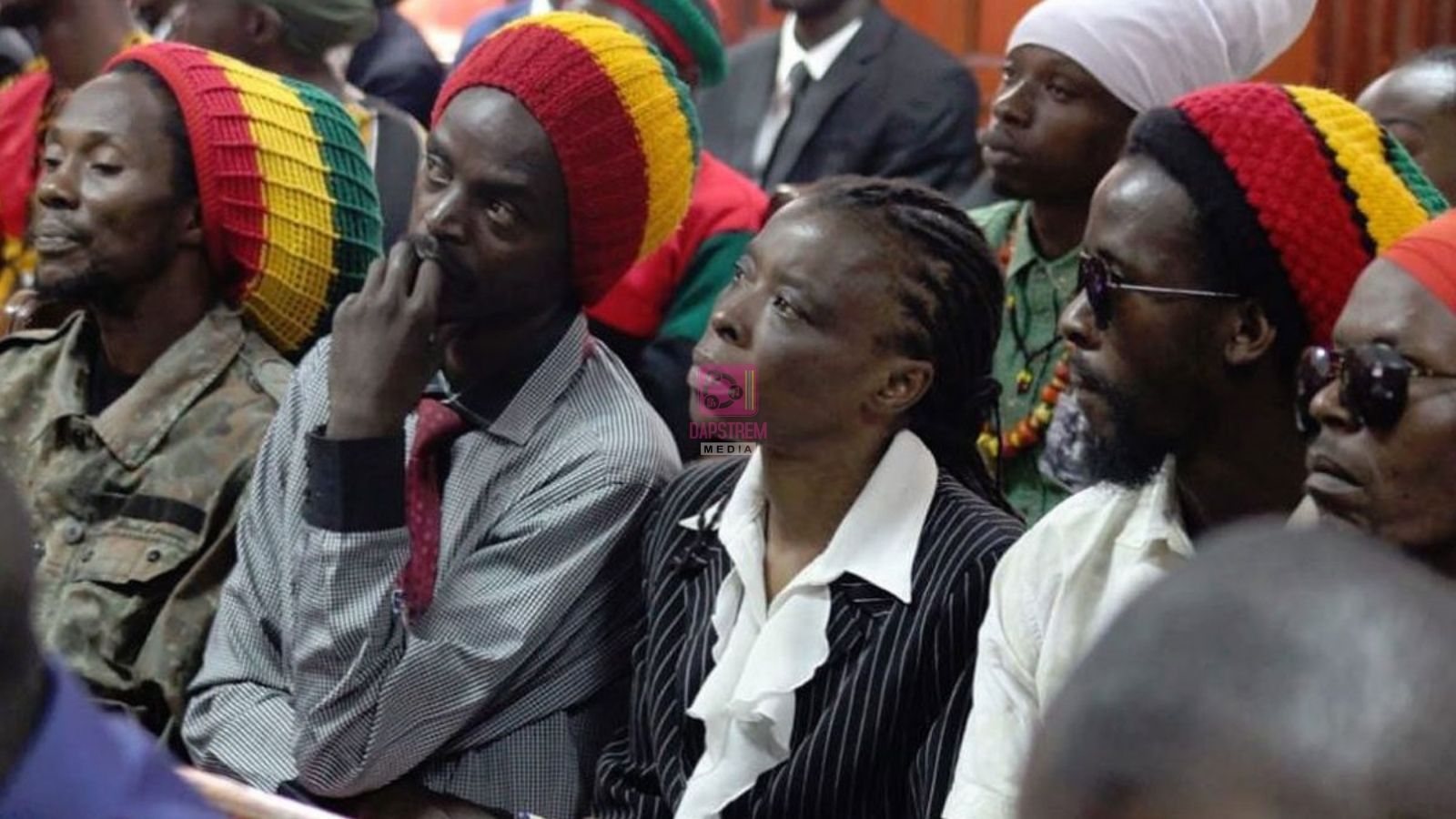
Kenya Bhang Legalisation Ruling Dominates National Debate
The judgment, delivered on Wednesday by Justice Bahati Mwamuye, means cannabis remains illegal under Kenyan law despite arguments that it forms part of Rastafarian religious practice.
The ruling has immediately sparked reactions from legal experts, religious groups, human rights advocates and members of the public.
For many observers, the case was about more than cannabis.
It was also about the balance between freedom of religion and public interest.
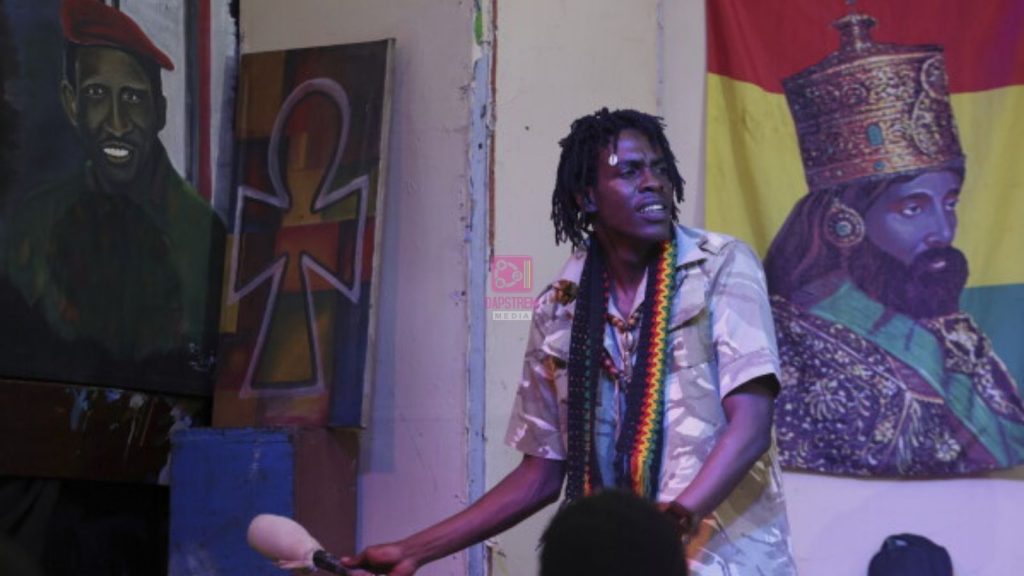
Kenya Bhang Legalisation Ruling Upholds Existing Law
The Kenya Bhang Legalisation Ruling upheld the provisions of the Narcotic Drugs and Psychotropic Substances (Control) Act, which criminalises the possession, cultivation, trafficking and use of cannabis in Kenya.
Justice Bahati Mwamuye ruled that the petitioners failed to provide sufficient and consistent evidence showing that cannabis is an essential religious sacrament deserving constitutional protection.
According to the court, constitutional rights such as freedom of religion are important but are not absolute.
The judge noted that such rights may be limited where public health, safety and the wider public interest are involved.
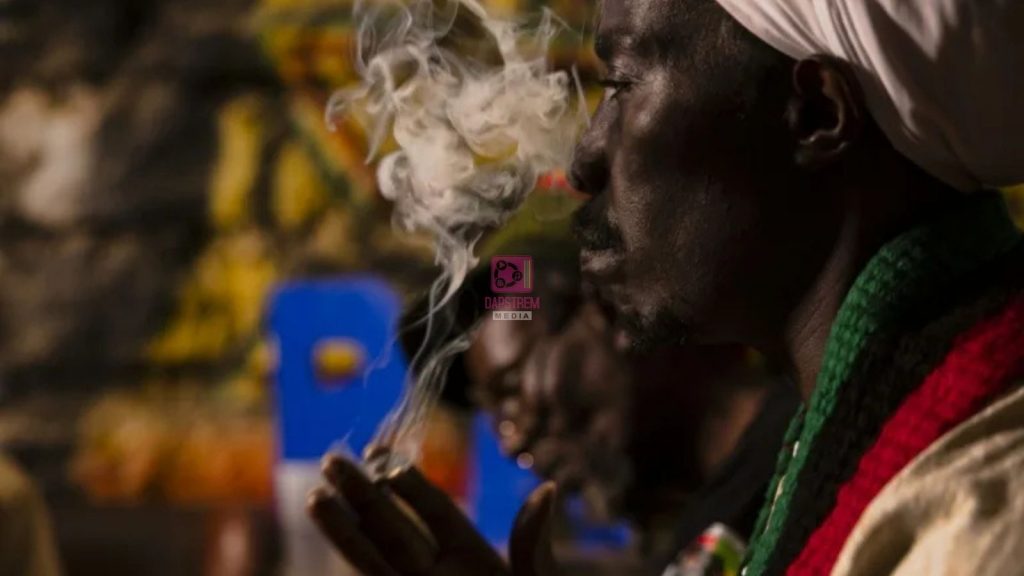
As a result, Kenya’s existing cannabis laws remain unchanged.
Kenya Bhang Legalisation Ruling Ends a Long Court Battle
The Kenya Bhang Legalisation Ruling concludes a legal challenge that has been before the courts for several years.
The Rastafarian Society of Kenya argued that criminalising cannabis interfered with their constitutional rights to freedom of religion, equality and privacy.
The petition sought a religious exemption rather than the general legalisation of cannabis for the public.
However, the court concluded that the evidence presented did not meet the constitutional threshold required to overturn or modify the existing legislation.
The decision therefore leaves Parliament, rather than the courts, as the institution that could introduce future legislative reforms if such proposals are ever considered.
Kenya Bhang Legalisation Ruling Sparks Mixed Public Reactions
Following the Kenya Bhang Legalisation Ruling, reactions quickly spread across social media and legal circles.
Some Kenyans welcomed the judgment, arguing that existing narcotics laws should continue protecting public health and public safety.
Others believed the case raised important constitutional questions about religious freedom and equal treatment under the law.
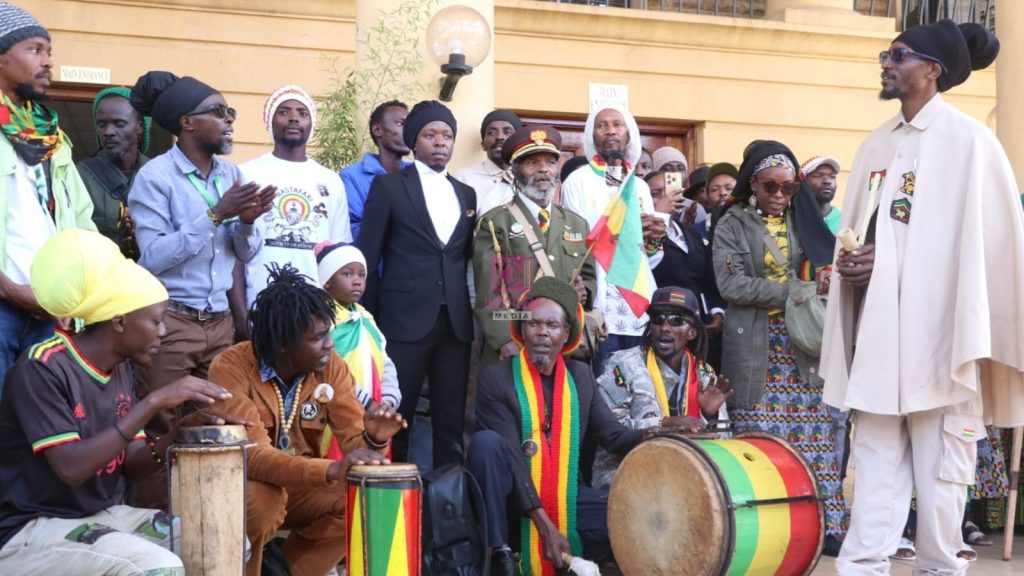
Members of the Rastafarian Society expressed disappointment with the decision and indicated they intend to challenge the ruling before the Court of Appeal.
The debate is therefore likely to continue beyond today’s judgment.
Kenya Bhang Legalisation Ruling Highlights Constitutional Questions
Beyond the immediate outcome, the Kenya Bhang Legalisation Ruling has highlighted broader constitutional questions.
How should courts balance religious freedom with national laws?
When should religious practices qualify for legal exemptions?
What level of evidence should petitioners provide when challenging legislation?
These questions remain relevant not only in Kenya but in many countries where courts have considered similar constitutional disputes.
Legal scholars expect today’s judgment to become an important reference point in future constitutional discussions involving freedom of religion and public policy.
Kenya Bhang Legalisation Ruling Comes as Global Cannabis Policies Change
The Kenya Bhang Legalisation Ruling also arrives at a time when several countries around the world have adopted different approaches to cannabis regulation.
Some nations have introduced tightly regulated medical cannabis programmes.
Others have maintained strict criminal prohibitions.
Kenya’s High Court decision does not change the country’s legal position.
Cannabis remains prohibited under Kenyan law, and today’s ruling simply confirms that the existing legislation remains constitutional unless Parliament decides otherwise.
Kenya Bhang Legalisation Ruling Keeps Focus on Public Participation
Although the petition has been dismissed, discussions around public policy are expected to continue.
Lawmakers, legal experts and civil society organisations may continue debating how Kenya should address future questions involving constitutional rights, public health and drug policy.
For now, however, the court has provided legal certainty.
The existing law remains fully in force.
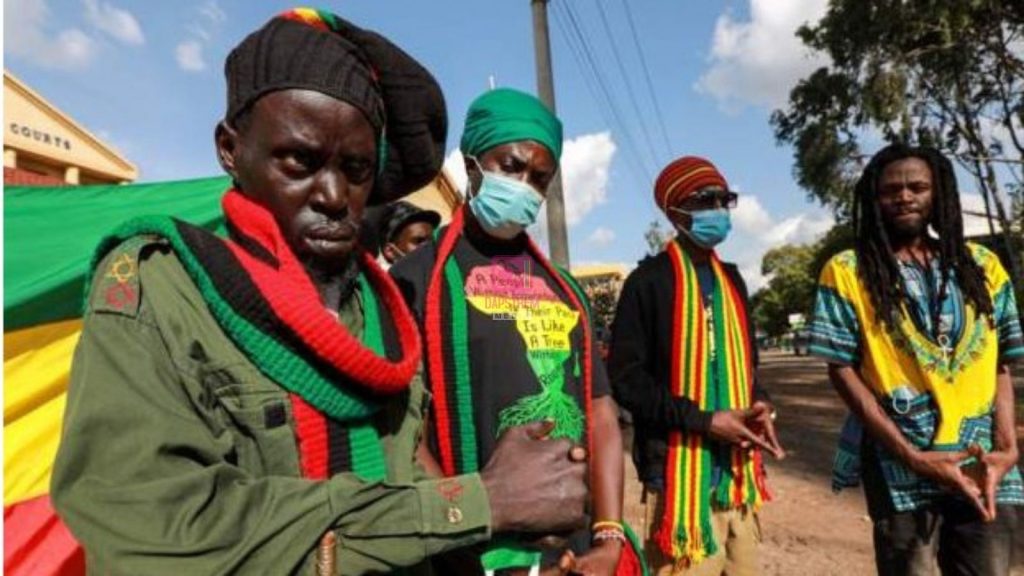
The Kenya Bhang Legalisation Ruling marks an important moment in Kenya’s constitutional and legal history. While the Rastafarian Society argued that cannabis forms part of its religious practice, the High Court found that the evidence presented was insufficient to justify a constitutional exemption from existing narcotics laws.
The ruling reinforces that any significant change to Kenya’s cannabis laws would likely require legislative action rather than judicial intervention. Whether the case proceeds to the Court of Appeal or prompts wider national conversations on religious freedom and public policy, today’s decision will remain one of the country’s most closely discussed legal developments of the year.