
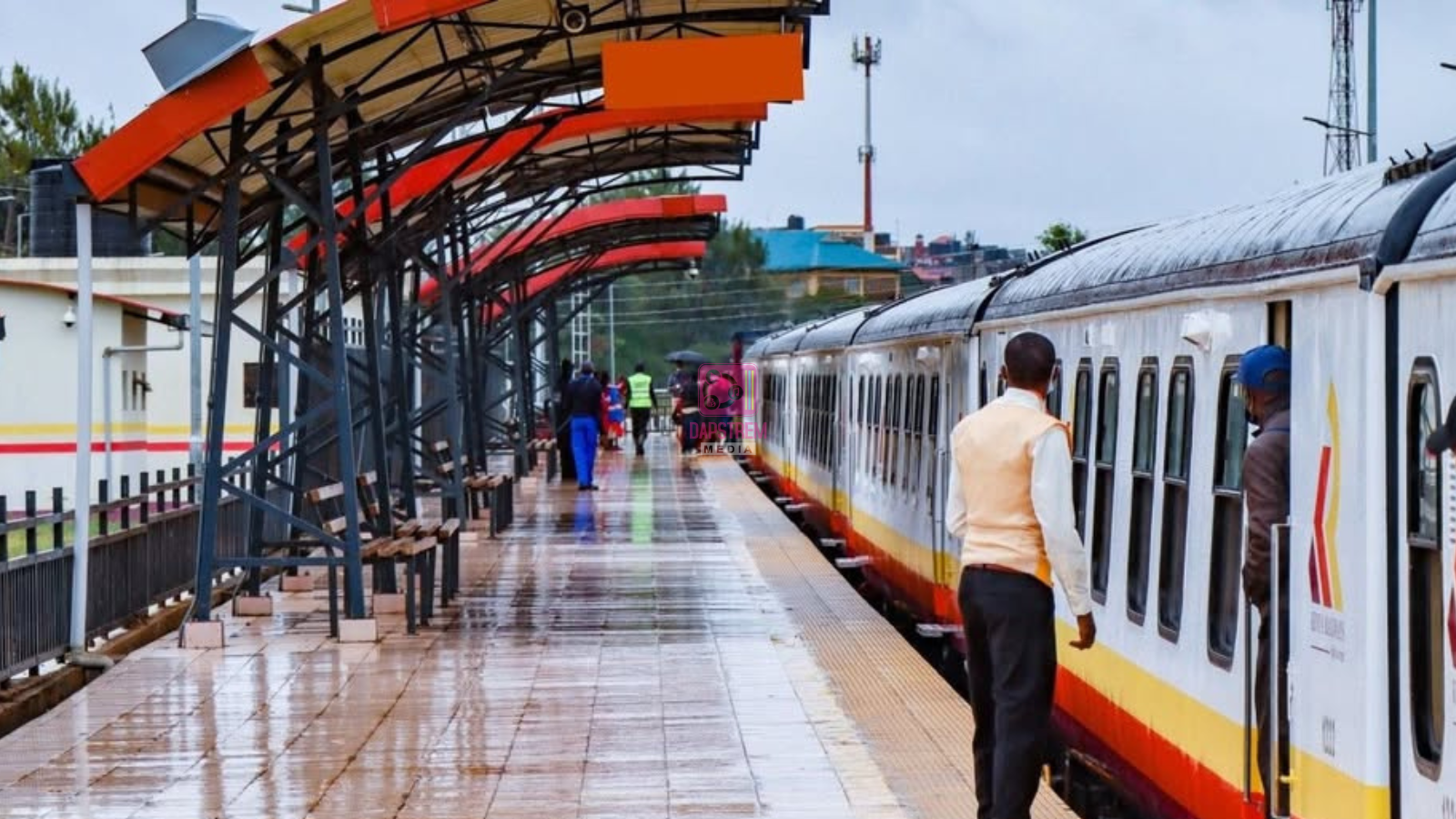
Kenya Railways plans to connect Nairobi with Thika, Ruiru, Kikuyu, Ngong and Kitengela through a modern electric rail network aimed at easing congestion and boosting urban mobility.
Kenya is preparing to take a major leap in urban transportation with plans by Kenya Railways to introduce electric trains under the ambitious Sh65 billion Kenya Urban Mobility Improvement Project. The transformative initiative is expected to revolutionize public transport in and around Nairobi by providing faster, cleaner, and more reliable rail services connecting the capital city to key satellite towns including Thika, Ruiru, Kikuyu, Ngong, and Kitengela.
For decades, Nairobi has struggled with chronic traffic congestion, a challenge that has continued to worsen as the city’s population expands and more people settle in neighboring towns while commuting daily to the capital for work, business, education, and other activities. The introduction of electric commuter trains is being viewed as a long-term solution that could significantly ease pressure on the city’s road network while improving the quality of life for thousands of residents.
The project represents one of the most significant investments in Kenya’s urban transport sector in recent years. Beyond introducing modern electric trains, the initiative aims to create an integrated and sustainable transportation system capable of meeting the demands of a rapidly growing urban population. It is a move that aligns Kenya with global trends where cities are increasingly investing in efficient mass transit systems to combat congestion, reduce environmental pollution, and support economic growth.
Every weekday morning, major roads leading into Nairobi experience heavy traffic jams stretching for several kilometers. Commuters traveling from Thika, Ruiru, Kikuyu, Ngong, Kitengela, and other surrounding areas often spend hours stuck in traffic. The situation not only causes frustration but also leads to lost productivity, increased fuel consumption, and rising transportation costs.
The planned electric railway system seeks to address these challenges by offering a dependable alternative to road transport. With trains capable of carrying large numbers of passengers at once, travel times are expected to reduce significantly. Commuters who currently spend two or three hours navigating traffic may be able to reach their destinations much faster through the expanded rail network.
The choice of electric trains marks an important shift toward environmentally sustainable transport. Unlike diesel-powered locomotives, electric trains produce fewer emissions and contribute less to air pollution. As concerns over climate change and environmental conservation continue to grow globally, many countries are investing heavily in green transportation technologies.
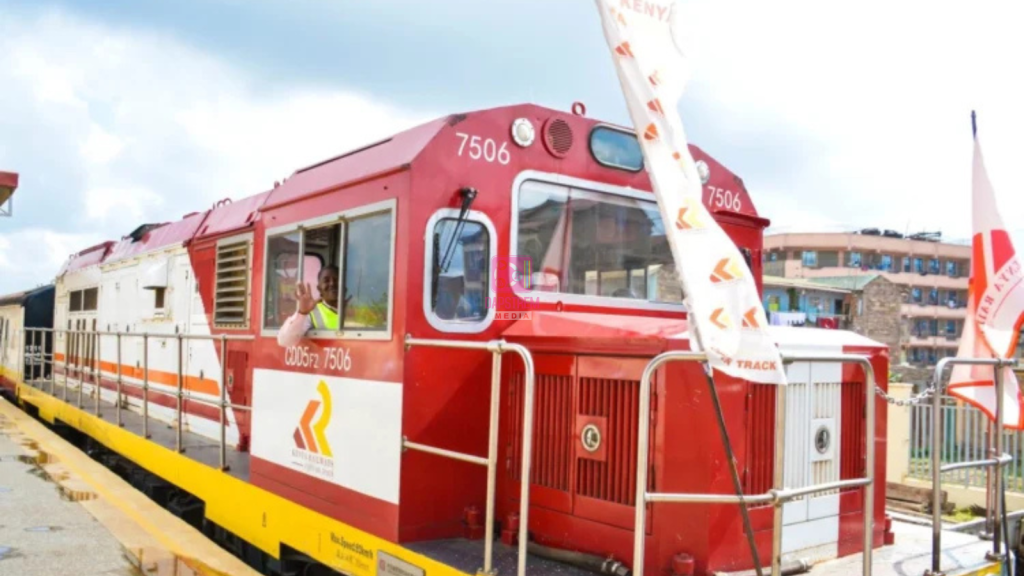
For Nairobi, cleaner public transportation could have a meaningful impact on air quality. Vehicle emissions remain one of the leading sources of urban pollution, particularly in densely populated areas. By encouraging more people to use rail transport instead of private vehicles and diesel-powered buses, the electric train project could help reduce carbon emissions and support Kenya’s broader environmental goals.
The towns identified under the project are among the fastest-growing urban centers in the Nairobi Metropolitan Area. Over the years, rising housing costs within Nairobi have pushed many families and professionals to settle in neighboring towns while maintaining jobs and businesses in the city.
Ruiru has emerged as one of the country’s fastest-growing municipalities, attracting residential developments, universities, and industrial investments. Thika continues to serve as a major industrial and commercial hub while experiencing significant population growth. Kikuyu has become a preferred residential area due to its proximity to Nairobi and improving infrastructure.
Ngong and Kitengela have similarly witnessed rapid expansion as more residents seek affordable housing options outside the capital. The growth of these towns has increased demand for efficient transportation systems capable of connecting residents to Nairobi’s economic opportunities.
The electric train project therefore arrives at a critical time when urban planners are searching for sustainable ways to support metropolitan growth without overwhelming existing infrastructure.
Experts believe that improved rail connectivity could unlock significant economic benefits for both Nairobi and surrounding counties. Efficient transportation systems are often linked to increased investment, job creation, and higher productivity levels.
Businesses depend on reliable transportation networks to move workers and customers efficiently. Reduced commuting times can improve workforce productivity by allowing employees to spend less time on the road and more time engaged in productive activities. Additionally, improved accessibility often attracts investors seeking locations with strong transport links.
Property values around railway stations and transport corridors may also increase as connectivity improves. Similar trends have been observed in cities around the world where modern rail systems have stimulated real estate development and commercial activity.
The construction phase itself is expected to create employment opportunities for engineers, technicians, contractors, construction workers, and various service providers. Once operational, the system will require personnel for maintenance, operations, security, customer service, and administration.
The project is also expected to encourage greater use of public transportation. One of the major challenges facing urban areas is the increasing reliance on private vehicles. While car ownership offers convenience, it also contributes significantly to traffic congestion and environmental degradation.
A reliable, comfortable, and affordable electric railway network could persuade many commuters to leave their cars at home and opt for rail transport. This shift would not only reduce traffic but also decrease fuel consumption and road maintenance costs associated with heavy vehicle usage.
International experience has shown that successful commuter rail systems can transform urban mobility patterns. Cities such as London, Tokyo, Paris, Singapore, and Johannesburg have benefited from extensive rail networks that enable millions of people to travel efficiently every day. While Nairobi’s transport needs are unique, the principles remain similar: efficient mass transit can serve as the backbone of a modern city.
The Kenya Urban Mobility Improvement Project is also expected to complement ongoing investments in roads, bus systems, and non-motorized transport infrastructure. Urban transport experts increasingly emphasize the importance of integrated transport systems where different modes of transport work together seamlessly.
Passengers arriving at railway stations should ideally have access to buses, taxis, walking paths, and cycling facilities that allow them to complete their journeys conveniently. Such integration enhances the effectiveness of public transport and encourages broader adoption among commuters.
Despite the optimism surrounding the project, successful implementation will require careful planning, adequate funding, and effective coordination among various stakeholders. Large infrastructure projects often face challenges related to land acquisition, construction timelines, budget management, and technical requirements.
Authorities will need to ensure that project execution remains transparent and efficient while minimizing disruptions to communities and businesses along the planned routes. Public participation and stakeholder engagement will also be essential in addressing concerns and building support for the initiative.
For many Kenyans, however, the announcement represents hope for a future where commuting is no longer synonymous with hours of frustration in traffic. The vision of modern electric trains gliding between Nairobi and surrounding towns reflects a broader ambition to build smarter, greener, and more connected cities.
As Kenya continues its journey toward becoming a middle-income economy, investments in infrastructure will remain central to achieving sustainable development. Efficient transportation networks are not merely about moving people from one place to another; they are about creating opportunities, improving productivity, enhancing environmental sustainability, and improving overall quality of life.
If successfully implemented, the Sh65 billion electric train project could become one of the most transformative urban transport investments in Kenya’s history. It has the potential to redefine commuting in the Nairobi Metropolitan Area, stimulate economic growth, reduce environmental pollution, and position the country as a regional leader in modern urban mobility.
For thousands of daily commuters traveling between Nairobi and its surrounding towns, the promise of fast, reliable, and environmentally friendly electric trains may soon become a reality, ushering in a new chapter in Kenya’s transportation story.