
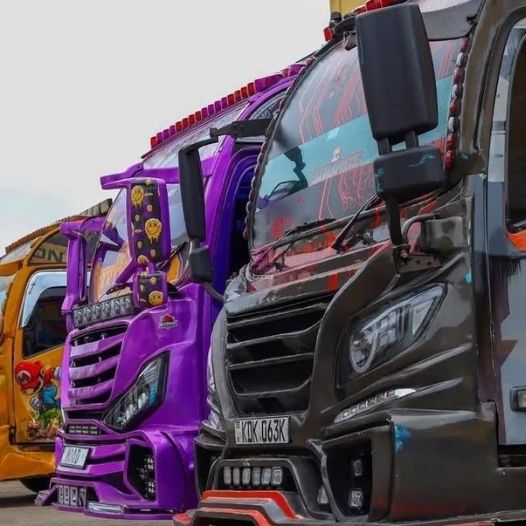
Nairobi Matatu Owners are openly expressing frustration after a court ruling upheld the NTSA ban on graffiti and heavy matatu customization. The decision has sparked heated debate across Nairobi, especially among supporters of Nganya culture in Kenya.
For many, matatus are not just public transport. They represent creativity, youth expression, and Nairobi street identity.
1. Nairobi Matatu Owners Say Creativity Is Being Restricted
Many Nairobi Matatu Owners feel the ruling limits artistic freedom. Graffiti designs, flashy interiors, and sound systems have long been part of matatu branding.
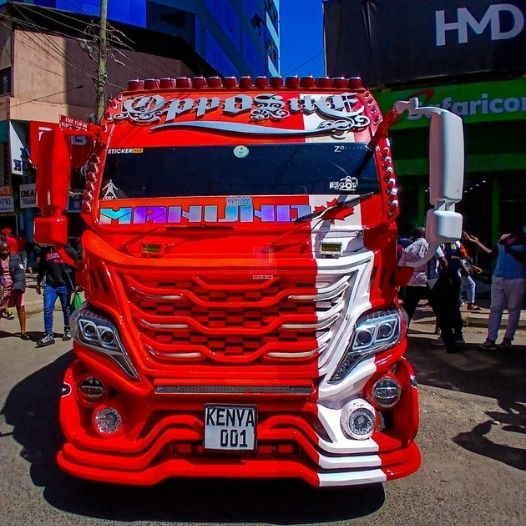
Owners argue that creativity has helped them stand out in a competitive transport market. They believe regulation should not completely remove artistic expression.
2. Nairobi Matatu Owners Fear Financial Losses
A major concern is money already invested in customization.
Some matatus have been heavily modified with expensive paintwork, lighting, and sound systems. Nairobi Matatu Owners now fear that forced changes could lead to serious financial losses.
For small operators, this could be a major setback.
3. Nairobi Matatu Owners Defend Nganya Culture
Nganya culture is deeply rooted in Nairobi life. It blends music, fashion, graffiti art, and entertainment into public transport.
Many Nairobi Matatu Owners say this culture has helped define the city’s identity. They feel banning graffiti could slowly destroy a unique part of Kenyan urban life.
4. Nairobi Matatu Owners Warn About Job Losses
The matatu industry supports many workers beyond drivers.
Graffiti artists, electricians, mechanics, upholsterers, and DJs depend on this ecosystem. According to Nairobi Matatu Owners, strict enforcement could lead to job losses in informal creative sectors.
This has raised concern among young people earning a living from matatu-related work.
5. Nairobi Matatu Owners Highlight Cultural and Tourism Value
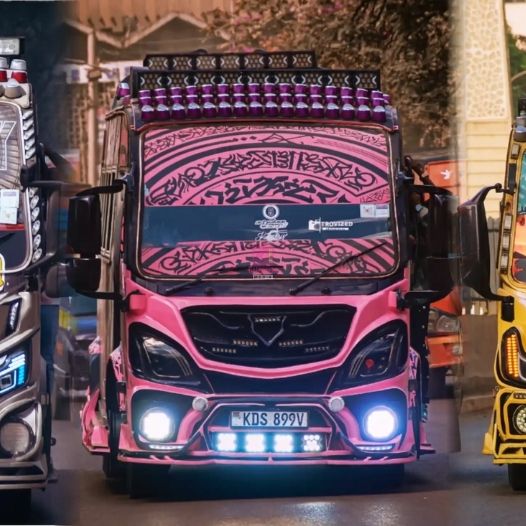
Nganyas are now part of Nairobi’s modern street culture. Many visitors and locals enjoy photographing brightly designed matatus.
Some vehicles even go viral on social media platforms.
Nairobi Matatu Owners argue that this visibility promotes Kenya’s creativity and urban culture internationally.
6. Nairobi Matatu Owners Call for Dialogue
Instead of strict bans, many Nairobi Matatu Owners are calling for dialogue with NTSA.
They believe safety and order can be achieved without fully removing graffiti and branding.
Owners are suggesting controlled guidelines rather than complete restrictions.
7. Nairobi Matatu Owners Question the Future of Nganya Culture
The future of Nganya culture now feels uncertain.
If enforcement becomes strict, many iconic matatus could disappear from Nairobi roads. This would change the face of public transport in the city.
For Nairobi Matatu Owners, the hope is that a balance will be found between regulation and creativity.