
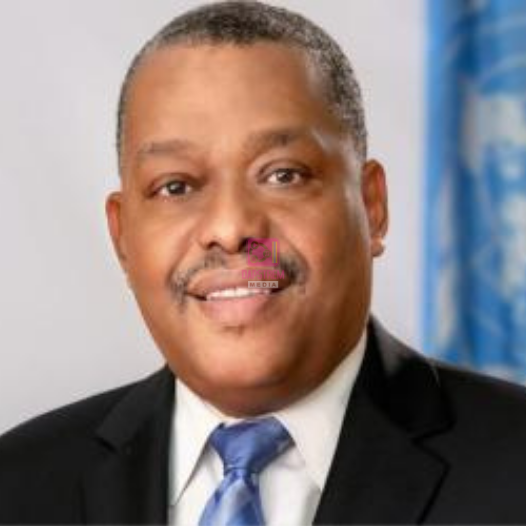
UN appoints former Haiti Prime Minister Garry Conille to lead development coordination efforts in Kenya, strengthening global partnerships and advancing sustainable growth initiatives
The United Nations, under the leadership of Secretary-General António Guterres, has appointed former Haitian Prime Minister Garry Conille as the new United Nations Resident Coordinator in Kenya, marking a significant diplomatic development for both Nairobi and the global development community.
The appointment, which took effect immediately after receiving approval from the Kenyan government, places Conille at the helm of the UN’s development system in Kenya. He succeeds Dr. Stephen Jackson, who had held the role since 2021 and is now moving to a new UN assignment.
As Resident Coordinator, Conille becomes the highest-ranking representative of the UN Development System in Kenya. His role will involve coordinating UN agencies, leading development initiatives, strengthening partnerships with the Kenyan government, and driving progress toward the Sustainable Development Goals (SDGs).
Garry Conille brings with him more than two decades of experience in international development, humanitarian work, and public administration. His long-standing career within the United Nations system began in 1999 when he worked with the United Nations Population Fund (UNFPA) in Haiti. Over the years, he has built a reputation as a seasoned diplomat and development expert, having served in various leadership roles across different regions.
Before his latest appointment, Conille served as UN Resident Coordinator in Burundi between 2017 and 2020, and later in Jamaica from 2020 to 2022. These roles gave him extensive experience managing complex development programs and coordinating multi-country UN operations.
Beyond his UN career, Conille is widely known for his leadership in Haiti, where he served as Prime Minister twice. His first term came between 2011 and 2012, and he later returned to the position in 2024 during one of the most turbulent periods in Haiti’s recent history.
His second stint as Prime Minister coincided with a deepening crisis in Haiti, characterized by political instability, economic hardship, and escalating gang violence. During this period, Kenya played a crucial role by leading a UN-backed multinational security mission aimed at restoring order and supporting Haitian police forces.
Haiti, a Caribbean nation with a complex history, has faced years of instability stemming from political upheaval, natural disasters, and economic challenges. The country has struggled to maintain governance structures, especially following the 2010 earthquake and the more recent surge in gang control across major cities like Port-au-Prince.
Conille’s leadership during this time placed him at the center of international efforts to stabilize the country. His government worked closely with global partners to address security concerns, coordinate humanitarian assistance, and rebuild public institutions. However, his tenure was also marked by political tensions, and he was eventually replaced in late 2024 amid ongoing governance disputes.
Despite the challenges he faced in Haiti, Conille’s experience navigating complex political and humanitarian crises is seen as a valuable asset in his new role in Kenya. His appointment comes at a time when Kenya continues to play an increasingly important role in regional diplomacy, peacekeeping, and international development.
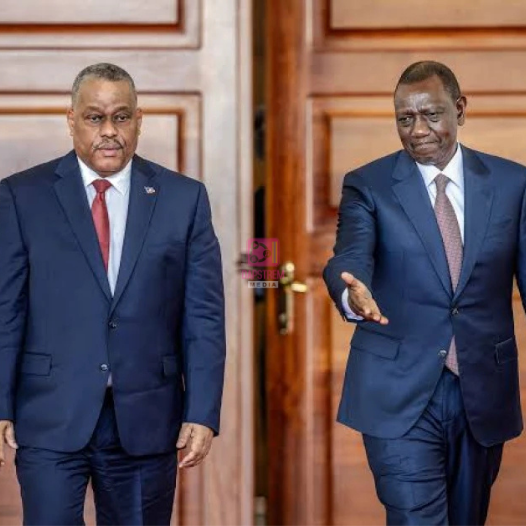
Notably, Conille is not entirely new to Kenya. During his time as Haiti’s Prime Minister, he engaged with Kenyan leadership, particularly in relation to the multinational security mission in Haiti. These prior interactions are expected to help him transition smoothly into his new role and strengthen collaboration between the UN and the Kenyan government.
As Resident Coordinator, Conille will oversee UN efforts in key sectors including governance, health, climate action, economic development, and humanitarian response. He will also work closely with civil society, private sector stakeholders, and development partners to align UN programs with Kenya’s national priorities.
His appointment also reflects the United Nations’ broader strategy of deploying experienced leaders with both political and technical expertise to key global positions. With a background as a medical doctor, development expert, and former head of government, Conille embodies a blend of skills that are critical in addressing today’s complex global challenges.
For Kenya, this development could enhance the country’s engagement with international partners and accelerate progress on major development goals. It also strengthens Kenya’s position as a regional hub for diplomacy and international cooperation, hosting numerous global organizations and initiatives.
Ultimately, Garry Conille’s new role represents more than just a leadership change within the United Nations system in Kenya. It signals a continued commitment by the UN to strengthen development coordination in the region while leveraging experienced global leaders to tackle pressing challenges.
As he begins this new chapter in Nairobi, all eyes will be on how his extensive experience in crisis management, governance, and international development will shape the UN’s work in Kenya and contribute to sustainable growth and management.
Working under the broader leadership of António Guterres, Conille is expected to play a central role in aligning the United Nations’ work with Kenya’s long-term development agenda. This includes supporting flagship government initiatives, strengthening institutional capacity, and ensuring that UN agencies operate in a cohesive and impactful manner.
Kenya remains one of the most important hubs for the United Nations in Africa, hosting major global offices such as the United Nations Environment Programme and the United Nations Human Settlements Programme. These institutions position Nairobi as a global center for environmental policy and sustainable urban development, making the role of Resident Coordinator particularly influential.
In this context, Conille’s appointment comes at a time when Kenya is facing both opportunities and challenges. From climate change impacts such as prolonged droughts and flooding, to rapid urbanization and youth unemployment, the country requires coordinated, multi-sectoral solutions—precisely the kind of approach the UN Resident Coordinator system is designed to deliver.
Conille is also expected to deepen collaboration with the government led by William Ruto, particularly in areas such as food security, affordable housing, universal healthcare, and climate resilience. These are key pillars of Kenya’s development blueprint and align closely with the UN’s Sustainable Development Goals.
His background in public health and development will likely be instrumental in advancing health-related initiatives in Kenya. As a trained medical doctor with experience in global health systems, Conille has previously worked on programs addressing maternal health, population dynamics, and healthcare access—areas that remain critical in Kenya’s development journey.
Equally important is his experience working in fragile and politically complex environments. Having navigated Haiti’s deeply challenging governance landscape, Conille understands the importance of building trust among stakeholders, fostering dialogue, and maintaining stability while pursuing reform. These skills will be valuable in supporting Kenya’s governance institutions and democratic processes.
Meanwhile, his understanding of Haiti’s struggles may also bring a unique perspective to his work in Kenya. Haiti’s long-standing challenges—from natural disasters to political instability—highlight the importance of resilience, international cooperation, and sustainable development strategies. By contrast, Kenya’s relatively stable political environment and strong regional influence offer a platform for impactful development partnerships.
The connection between Kenya and Haiti has also grown in recent years, particularly through Kenya’s leadership in the multinational security mission aimed at restoring order in the Caribbean nation. Conille’s familiarity with both countries could help strengthen diplomatic ties and foster mutual understanding between the two regions.
As he settles into his new role in Nairobi, Conille will be tasked with ensuring that the United Nations continues to deliver meaningful results on the ground. This includes improving coordination among UN agencies, enhancing accountability, and maximizing the impact of development programs.
His leadership will also be closely watched by development partners, civil society organizations, and international stakeholders who view Kenya as a key player in Africa’s economic and political landscape. With Nairobi serving as a gateway to East and Central Africa, the success of UN initiatives in Kenya often has ripple effects across the region.
Ultimately, the appointment of Garry Conille underscores the United Nations’ commitment to placing experienced, globally-minded leaders in positions where they can drive real change. It reflects confidence in his ability to navigate complex systems, build partnerships, and deliver results in a country that continues to play a pivotal role on the global stage.
As Kenya continues to position itself as a leader in innovation, sustainability, and regional diplomacy, Conille’s tenure as Resident Coordinator could prove to be a defining chapter in strengthening the partnership between the United Nations and the Kenyan people.