
At Least 26 People Killed and 82 Injured in Deadly Clashes Between Rival Communities in South Sudan’s Abyei Region
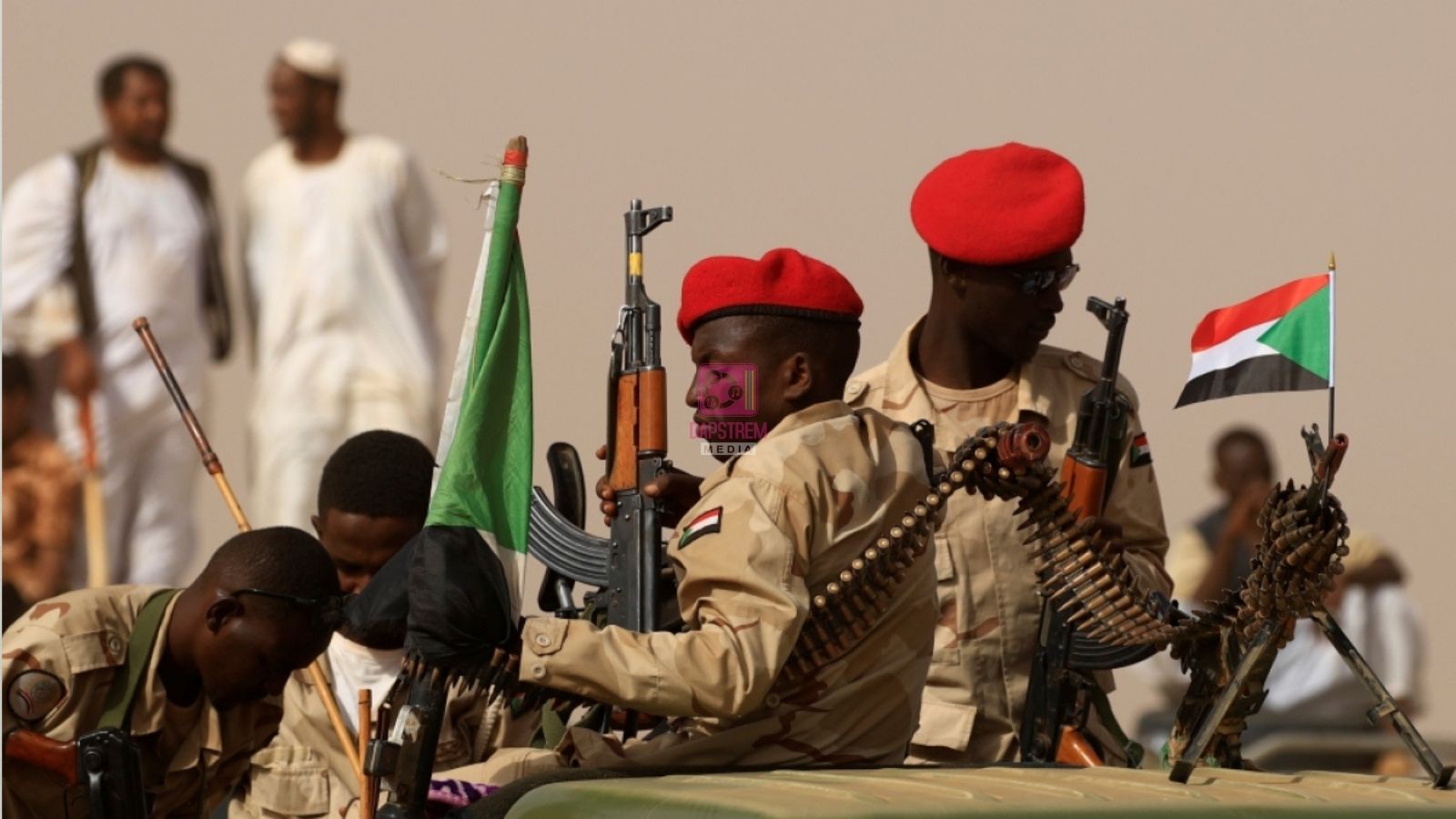
At least 26 people have been killed and another 82 injured following renewed intercommunal clashes in the disputed Abyei region along the border between South Sudan and Sudan.
The violence has raised fresh concerns over the fragile security situation in an area that has remained contested for years and where tensions between pastoral communities have repeatedly resulted in deadly confrontations.
The United Nations Interim Security Force for Abyei (UNISFA) confirmed the casualties on Thursday, September 17, 2026, saying the fighting had erupted in and around the Amiet Common Market, one of the region’s major commercial centres.
The latest violence followed the separate killings of two members of the communities earlier in the week.
According to UNISFA, a Ngok Dinka man was killed on Monday, followed by the killing of a Misseriya man on Tuesday. The two incidents heightened tensions between the communities before violence subsequently broke out around the market.
The situation illustrates how quickly individual killings can trigger wider cycles of retaliation in areas where communities have longstanding disputes over land, grazing routes, water sources and livestock.
Abyei has experienced similar tensions for years.
The region is claimed by both Sudan and South Sudan and has remained one of the unresolved issues between the two countries since South Sudan gained independence from Sudan in 2011.
Although an agreement was reached to establish a referendum on Abyei’s final status, the process has never been completed, leaving the territory in a complicated political and security situation.
The region is also strategically important because of its oil resources.
However, beyond the political dispute between Sudan and South Sudan, local communities have their own longstanding grievances and competing interests.
The Ngok Dinka are the principal permanent residents of Abyei, while the Misseriya, who are predominantly Arab pastoralists from Sudan, traditionally move through the region during dry seasons in search of water and pasture for their livestock.
The movement of cattle and access to grazing areas and water points can bring the communities into contact, particularly during periods of heightened tension.
When such disputes become violent, the consequences can be severe.
The latest clashes demonstrate the continuing vulnerability of communities living in the area.
According to UNISFA, the 26 deaths were accompanied by 82 injuries, meaning more than 100 people were killed or wounded in the latest violence.
The high number of casualties has placed additional pressure on local health services and emergency responders.
People injured during the clashes require medical treatment at a time when access to healthcare in many parts of the region is already difficult.
The situation can become even more challenging when violence makes roads unsafe or restricts movement between communities.
Families may struggle to reach hospitals, while humanitarian organisations can face difficulties delivering medical supplies and other essential assistance.
The United Nations has responded by strengthening its security presence around Abyei town.
UNISFA said it had reinforced security and community engagement efforts following the violence, with the immediate priority being to prevent further loss of life and stop retaliatory attacks.
The mission has also been engaging community leaders in an effort to encourage dialogue.
UNISFA force commander Lieutenant General Ganesh Kumar Shrestha said community leaders had reiterated their commitment to dialogue and peaceful resolution of the hostilities.
The UN has urged both communities to reject retaliation and pursue peaceful coexistence.
That appeal is particularly important because retaliation can quickly transform a single incident into a prolonged cycle of violence.
One community may respond to a killing by attacking members of another community.
The targeted community may then retaliate.
Each subsequent attack creates new grievances, making it increasingly difficult for elders and local leaders to restore calm.
Such cycles can continue even after the original dispute has been forgotten.
In pastoral communities where livestock, land and water are central to livelihoods, conflict can also have an economic impact.
Cattle are an important source of wealth and food for many families.
When animals are stolen during raids or grazing areas become inaccessible because of violence, families can lose a significant part of their livelihoods.
Displacement can make the situation even worse.
People who flee their homes because of fighting may lose access to farmland, livestock, markets, schools and healthcare facilities.
Children are particularly vulnerable when violence forces families to leave their homes.
They may be unable to attend school, while families can be separated during sudden displacement.
The humanitarian consequences can therefore continue long after the guns fall silent.
The latest violence comes as South Sudan continues to face a broader security and humanitarian crisis.
The country has experienced repeated episodes of political, communal and armed violence despite the 2018 peace agreement that formally ended a devastating five-year civil war.
Recent United Nations reporting has documented continuing fighting and communal violence in parts of Greater Upper Nile, including Jonglei State.
UNICEF also reported this week that conflict in Jonglei had cut off communities from humanitarian assistance, leaving many families without regular access to essential services.
This wider context is important because violence in South Sudan cannot always be understood as a series of isolated tribal disputes.
Local conflicts can overlap with political rivalries, competition over territory, access to resources and the presence of armed groups.
The result is a complex security environment in which community violence can sometimes occur alongside broader political and military tensions.
Abyei is also different from many other conflict areas because it sits in a disputed territory claimed by two countries.
The unresolved status of the region has made security arrangements particularly complicated.
UNISFA was established to help maintain peace and protect civilians in Abyei.
The mission currently has thousands of police officers and soldiers working to provide security in the region.
Despite the presence of international peacekeepers, however, local disputes remain difficult to resolve.
Peacekeeping forces can patrol communities, protect civilians and help prevent escalation, but lasting stability requires agreements between the communities themselves as well as cooperation from the authorities on both sides of the border.
The latest clashes therefore present another test for local leaders and peacekeepers.
The immediate challenge is to prevent further attacks.
The second challenge is to address the grievances that contributed to the violence in the first place.
Community leaders will need to work together to reduce tensions, particularly around grazing routes, water access and livestock movement.
There is also a need for mechanisms that allow communities to resolve disputes before they become violent.
Traditional leaders have historically played an important role in resolving disputes between communities in the region.
Their involvement can be particularly valuable because they often understand local relationships and longstanding grievances.
However, traditional mechanisms alone may not be enough when communities have access to modern firearms and when local conflicts become connected to wider political and security dynamics.
Government authorities and regional organisations may therefore need to support local peace efforts with stronger security measures, disarmament initiatives and mechanisms for accountability.
The role of women and young people should also not be overlooked.
Young men are often among those involved in communal violence and cattle-related conflicts.
At the same time, women and children can bear some of the heaviest consequences of the violence.
Women can lose husbands and other family members, while children may lose access to education and essential services.
Including women, youth representatives, elders and religious leaders in peace discussions can help ensure that agreements address the concerns of the wider community.
The latest violence has also highlighted the importance of early warning systems.
The killings that occurred earlier in the week provided an indication that tensions were rising.
When such incidents occur, authorities and community leaders need to be able to intervene quickly before revenge attacks begin.
Rapid communication between local leaders, security agencies and peacekeepers could help prevent isolated incidents from developing into larger clashes.
Humanitarian organisations also need safe access to communities affected by violence.
Medical teams must be able to reach injured people regardless of which community they belong to.
Aid agencies need to be able to deliver food, water, medicine and other assistance to displaced families.
Humanitarian access can become especially difficult when roads are controlled by armed groups or when communities fear travelling through areas associated with rival groups.
The 82 people injured in the latest violence will now require medical attention, while some could need specialised treatment depending on the severity of their wounds.
The health consequences may therefore continue to emerge in the coming days.
Authorities will also need to establish the identities of those killed and ensure that their families receive accurate information.
This is an important part of managing the aftermath of communal violence.
Families who lose relatives in chaotic circumstances can spend days waiting for confirmation, particularly when victims are taken to different health facilities or when bodies cannot immediately be identified.
Beyond the immediate casualties, there is also concern about possible displacement.
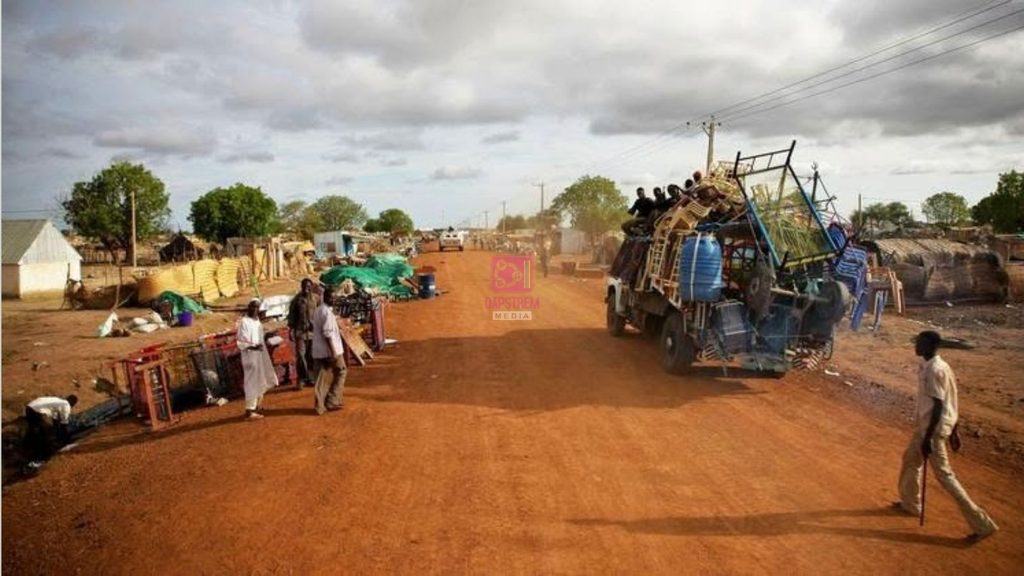
Residents who fear additional attacks may leave their homes and seek safety elsewhere.
Even a temporary displacement can create serious difficulties for families that depend on livestock or farming.
Moving cattle to safer areas may not always be possible, and families can lose access to their normal sources of income.
The United Nations has therefore continued to stress the importance of protecting civilians and preventing revenge attacks.
UNISFA said its priority was to prevent further loss of life and urged community leaders to embrace dialogue.
The appeal comes at a critical moment.
If the latest killings trigger further retaliation, the number of casualties could rise.
If communities instead choose dialogue, local leaders could have an opportunity to prevent the situation from developing into a wider conflict.
The international community will also be watching developments in Abyei closely.
The region’s unresolved political status means that instability there has implications beyond individual communities.
Continued violence can complicate relations between Sudan and South Sudan and create additional challenges for humanitarian organisations operating along the border.
It can also affect trade and movement between communities.
Abyei’s strategic position and natural resources make stability particularly important.
The region has already endured years of uncertainty since South Sudan became independent.
Residents have repeatedly lived with the consequences of political disagreements over the territory.
For many ordinary people, however, the immediate concern is more basic.
They need to live without fear of attack.
They need access to markets, schools, healthcare and water.
Pastoralists need to move their animals safely in search of grazing land and water.
Communities need mechanisms that allow them to resolve disputes without resorting to violence.
The latest deaths underline how difficult that task remains.
At least 26 people are now dead and 82 others injured following the latest clashes.
The United Nations has increased security around Abyei town and is working with community leaders to restore calm.
Whether the violence ends with the latest clashes or develops into another cycle of revenge will depend heavily on what happens in the coming days.
Local leaders will be under pressure to discourage retaliation, while security forces will need to protect vulnerable communities.
The humanitarian community will also need access to those injured and displaced by the violence.
For South Sudan and Sudan, the latest events are another reminder that unresolved local grievances can have devastating consequences when combined with weak security arrangements and longstanding political disputes.
The priority now remains preventing further deaths and creating space for dialogue between the Ngok Dinka and Misseriya communities.
The United Nations has made clear that retaliation will only deepen the crisis.
For the people living in Abyei, the hope is that the latest bloodshed will not become the beginning of another prolonged cycle of violence, but instead create renewed urgency for leaders to address the disputes that have continued to threaten peaceful coexistence in the region.