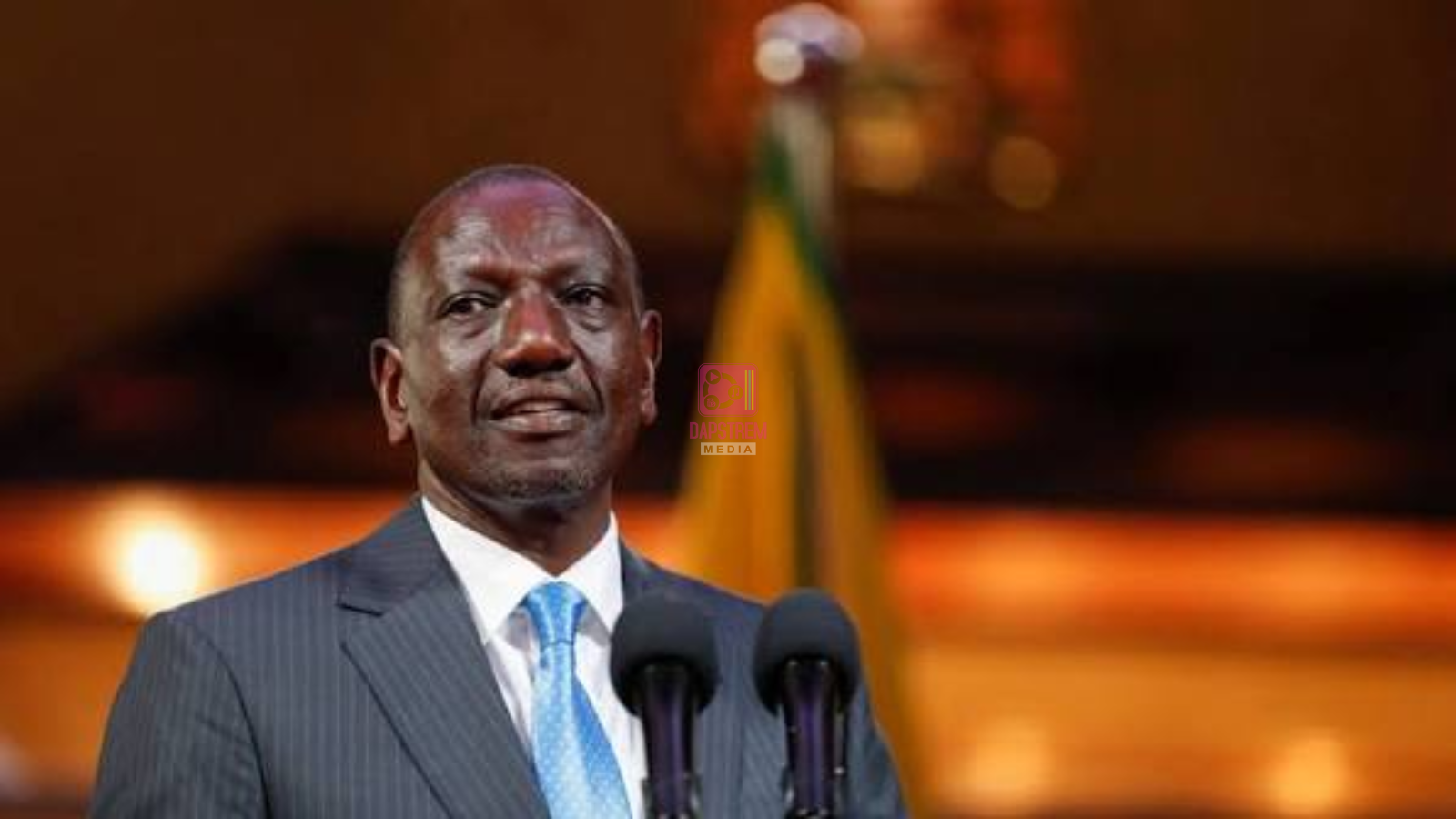
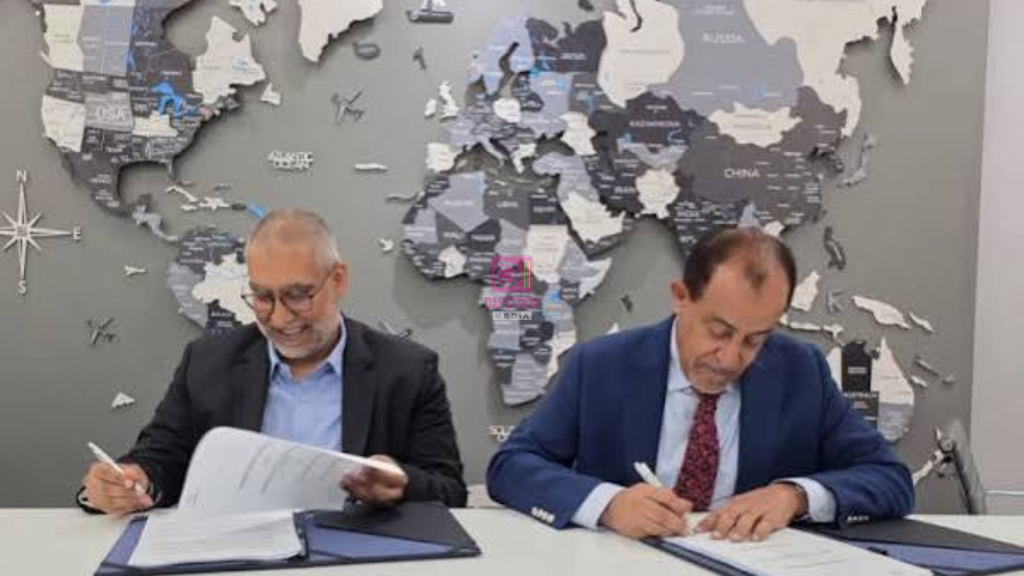
President William Ruto is set to officiate the signing of a KSh12 billion agreement between GulfCap Group and global logistics giant DP World, paving the way for a major Special Economic Zone (SEZ) in Jomvu, Mombasa.
The agreement, representing an investment of more than US$100 million, is being signed at State House in Nairobi on Tuesday, September 8, 2026. The project is expected to strengthen Mombasa’s position as an industrial and logistics hub while attracting manufacturers and export-oriented businesses to the Coast
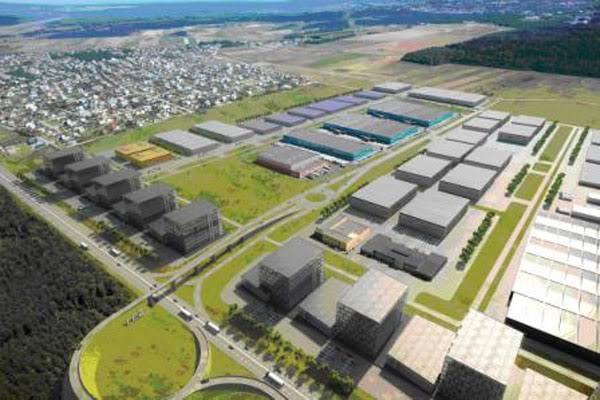
The proposed development will occupy approximately 535 acres in Jomvu, on land that was previously used as a cattle staging ground by the Kenya Meat Commission. According to the developers, the SEZ is expected to accommodate 67 companies operating across manufacturing, logistics, exports and related sectors.
Most significantly, the project is projected to create 7,972 direct jobs, with thousands of additional opportunities expected through supporting businesses, supply chains and services that could emerge around the industrial hub.
A major private-sector investment
The project brings together GulfCap Group, chaired by businessman and East African Legislative Assembly member Suleiman Shahbal, and DP World, one of the world’s largest logistics and supply-chain companies.
Shahbal described the development as the realisation of an ambition he has pursued for more than 15 years, saying the project could have a significant impact on Mombasa’s economy.
For DP World, the investment expands its involvement in Kenya’s logistics and trade infrastructure. The Dubai-headquartered company operates ports, logistics facilities and free zones across more than 70 countries, giving the project a potential connection to international supply chains.
The proposed SEZ is expected to target companies involved in manufacturing, logistics, exports and other industrial activities, creating a platform where businesses can produce goods for both the Kenyan market and regional and international markets.
The project comes as the government seeks to use Kenya’s strategic coastal location to drive industrialisation and increase the country’s share of regional and global trade.
Mombasa already has a major advantage: its proximity to the Port of Mombasa, Standard Gauge Railway, Southern Bypass and Moi International Airport.
The government-backed Dongo Kundu SEZ, which is being developed separately as a public Special Economic Zone, covers approximately 3,000 acres and sits adjacent to the port, railway and airport. Its strategic location is intended to reduce logistics costs and make it easier for manufacturers and exporters to access international markets.
The wider Dongo Kundu development has been part of Kenya’s industrialisation strategy for years. The government has positioned SEZs as instruments for attracting domestic and foreign investment, promoting value addition, expanding exports and supporting small and medium-sized enterprises.
The new private-sector project therefore fits into a broader attempt to transform the Coast from primarily a transit point for imported and exported cargo into a location where goods are manufactured, processed, assembled and distributed.
Building on Dongo Kundu’s wider transformation
The KSh12 billion GulfCap-DP World project comes as substantial public and private investment is already flowing into the Dongo Kundu area.
In February 2025, President Ruto said the government had entered into agreements with Afreximbank for the development of industrial parks at Dongo Kundu and Naivasha. The combined investment was part of a US$1 billion development programme, with the President saying the Dongo Kundu project could create more than 40,000 jobs.
The government has also identified sectors including footwear, agro-processing, pharmaceuticals, petrochemicals, textiles, e-mobility and glass manufacturing as potential areas for investment at Dongo Kundu.
Japan has provided substantial support for infrastructure associated with the SEZ. Ruto said the country’s contribution included a KSh37 billion concessional loan and a KSh6 billion grant, aimed at supporting critical infrastructure at the Mombasa Special Economic Zone.
The development is also being complemented by major industrial projects in the area. A KSh16 billion Taifa Gas LPG terminal at Dongo Kundu is nearing completion and is expected to become one of the largest LPG facilities in East Africa.
The economic promise
For the Coast region, the new investment represents more than the construction of another industrial estate.
A successful SEZ can generate employment directly through factories and logistics companies while creating indirect opportunities for transporters, suppliers, construction firms, retailers, hospitality businesses and other service providers.
For Kenya, the bigger prize is increased value addition.
Rather than simply exporting raw materials or importing finished products through the Port of Mombasa, the government wants more manufacturing and processing to happen locally. That could increase export earnings, develop industrial skills and create stronger links between Kenyan businesses and international supply chains.
The location is particularly advantageous. SEZA describes Dongo Kundu as being strategically positioned close to the port, railway, major roads and international airport, giving investors access to several modes of transport.
The signing of the GulfCap-DP World agreement marks an important step, but the real measure of the project will be its implementation.
The developers will need to translate the investment commitment into serviced industrial land, functioning facilities and operational businesses. The promised 7,972 direct jobs will ultimately depend on how quickly companies establish operations and how successfully the SEZ attracts investment.
For the government, the project provides another opportunity to demonstrate that its industrialisation strategy can move beyond policy announcements into tangible private-sector investment.
For Mombasa, it could signal a broader economic shift one in which the Coast increasingly becomes not merely Kenya’s gateway to international trade, but one of the country’s major centres for manufacturing, logistics and export production.
With President Ruto scheduled to officiate the agreement, the KSh12 billion deal places Mombasa firmly at the centre of Kenya’s latest push to attract private capital, create jobs and build an industrial economy around the country’s most important maritime gateway.