Philippine lawmakers move to impeach Vice President Sara Duterte again, setting the stage for a crucial Senate trial that will determine her political future
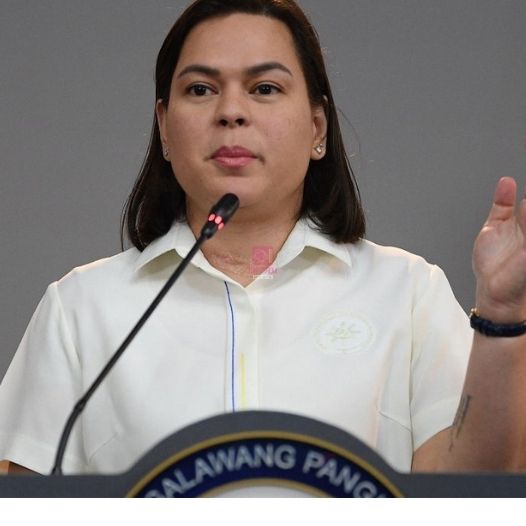
Political tensions in the Philippines have escalated sharply after lawmakers moved to impeach Vice-President Sara Duterte for a second time, setting the stage for a high-stakes Senate trial that could determine her political survival and reshape the country’s leadership landscape.
The impeachment, driven by members of the House of Representatives, comes after months of mounting pressure and allegations tied to governance, accountability, and the use of public office. While the exact articles of impeachment have sparked intense political debate, they broadly center on claims of misconduct, abuse of authority, and questions surrounding the management of public resources. Duterte, a prominent political figure and daughter of former President Rodrigo Duterte, has remained a polarizing yet influential force in Philippine politics, making the proceedings all the more consequential.
To understand the gravity of the moment, it is important to consider the Philippines’ political structure. The country operates under a presidential system where the vice president is elected separately from the president, often leading to complex political dynamics, especially when alliances shift or diverge. Impeachment is one of the most serious constitutional processes available, reserved for top officials accused of grave offenses. Once the House approves impeachment articles, the process moves to the Senate, which acts as a trial court to determine whether the official should be removed from office.
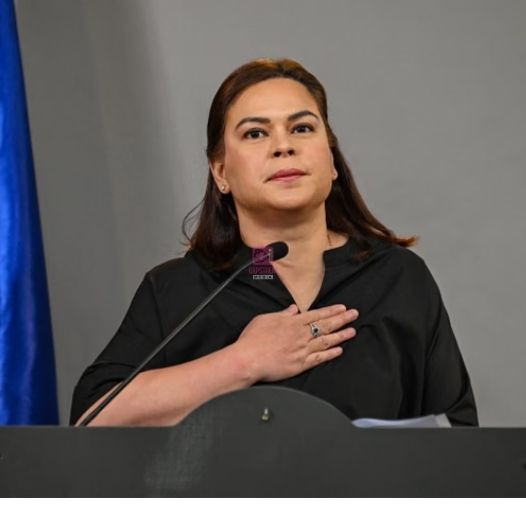
This is not the first time Duterte has faced such a challenge. In the earlier impeachment attempt, she managed to survive the process after the motion failed to gather enough political backing to proceed fully or collapsed amid shifting alliances within the legislature. Analysts pointed to her strong political base, influence within key regions, and the legacy of her family’s political network as crucial factors that helped her weather the storm. Additionally, divisions among lawmakers and lack of consensus on the charges weakened the push against her, allowing her to remain in office.
However, the current impeachment effort appears more coordinated and determined. Political observers note that shifting alliances, growing scrutiny, and evolving national priorities have created a different environment compared to the previous attempt. Lawmakers backing the new impeachment argue that accountability and institutional integrity must take precedence, while Duterte’s allies have dismissed the move as politically motivated, accusing opponents of attempting to undermine her ahead of future electoral contests.
The Senate trial, which is now set to follow, will be the decisive phase. Senators will review evidence, hear arguments from both prosecution and defense, and ultimately vote on whether to convict or acquit the vice president. A conviction would lead to her removal from office and possible disqualification from holding future public positions, a development that would significantly alter the country’s political trajectory. On the other hand, an acquittal would strengthen her standing and potentially position her as an even more formidable figure in national politics.
Beyond the immediate legal and political implications, the impeachment proceedings also reflect broader tensions within the Philippines. The country has a long history of vibrant, and at times turbulent, democratic processes, where political rivalries, public opinion, and institutional checks and balances often intersect. The outcome of this case will not only affect Duterte personally but could also influence governance, political alignments, and public trust in state institutions.
As the nation awaits the Senate trial, attention is firmly fixed on how the process will unfold. Supporters and critics alike are closely watching every development, aware that the stakes extend far beyond one individual. The coming weeks are expected to be marked by intense legal arguments, political maneuvering, and public debate, all culminating in a verdict that could redefine the balance of power in the Philippines.
For now, the second impeachment of Sara Duterte stands as a pivotal moment in the country’s political history—one that underscores both the strength and the strain of its democratic institutions.